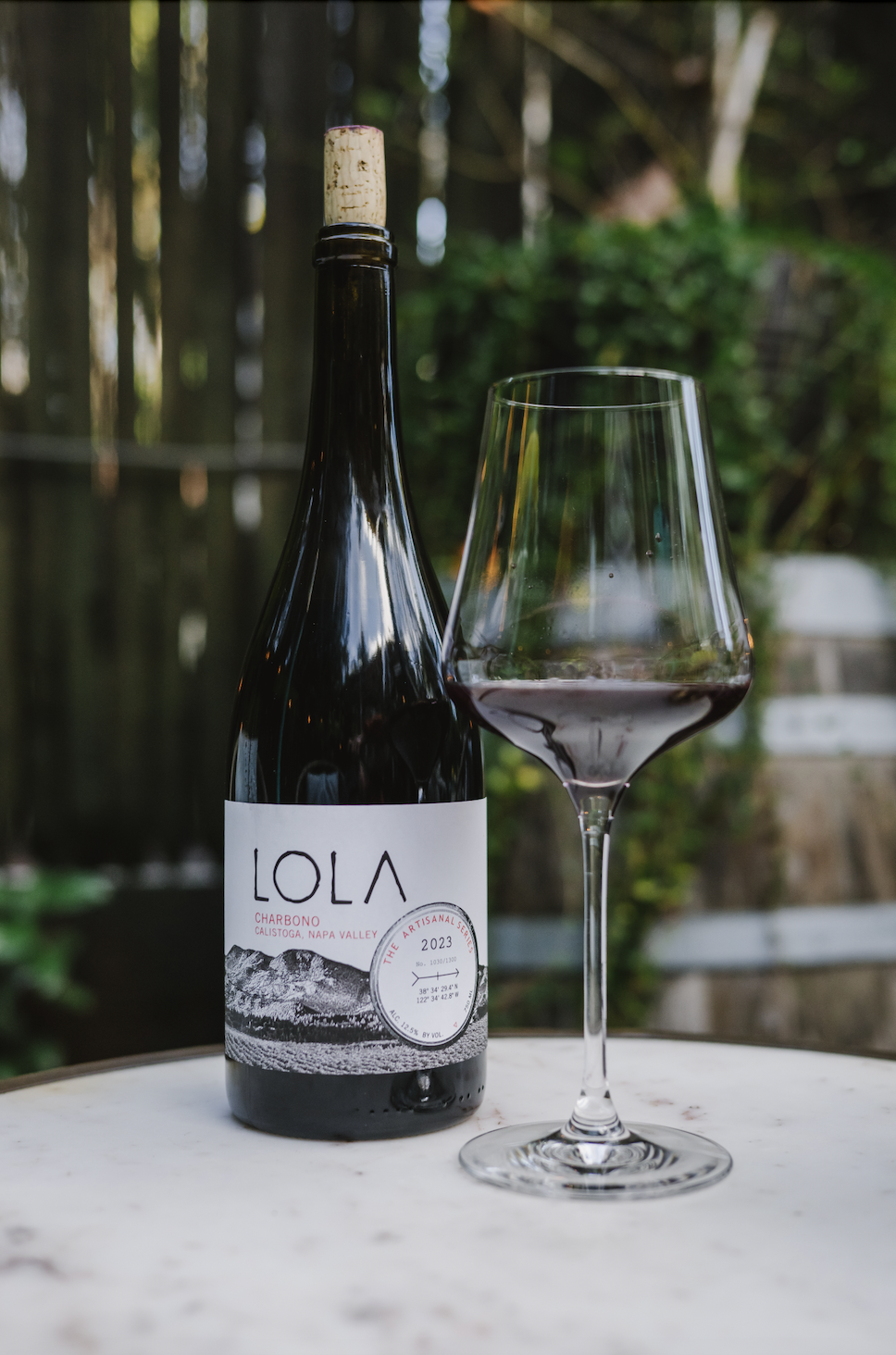
What is Charbono?
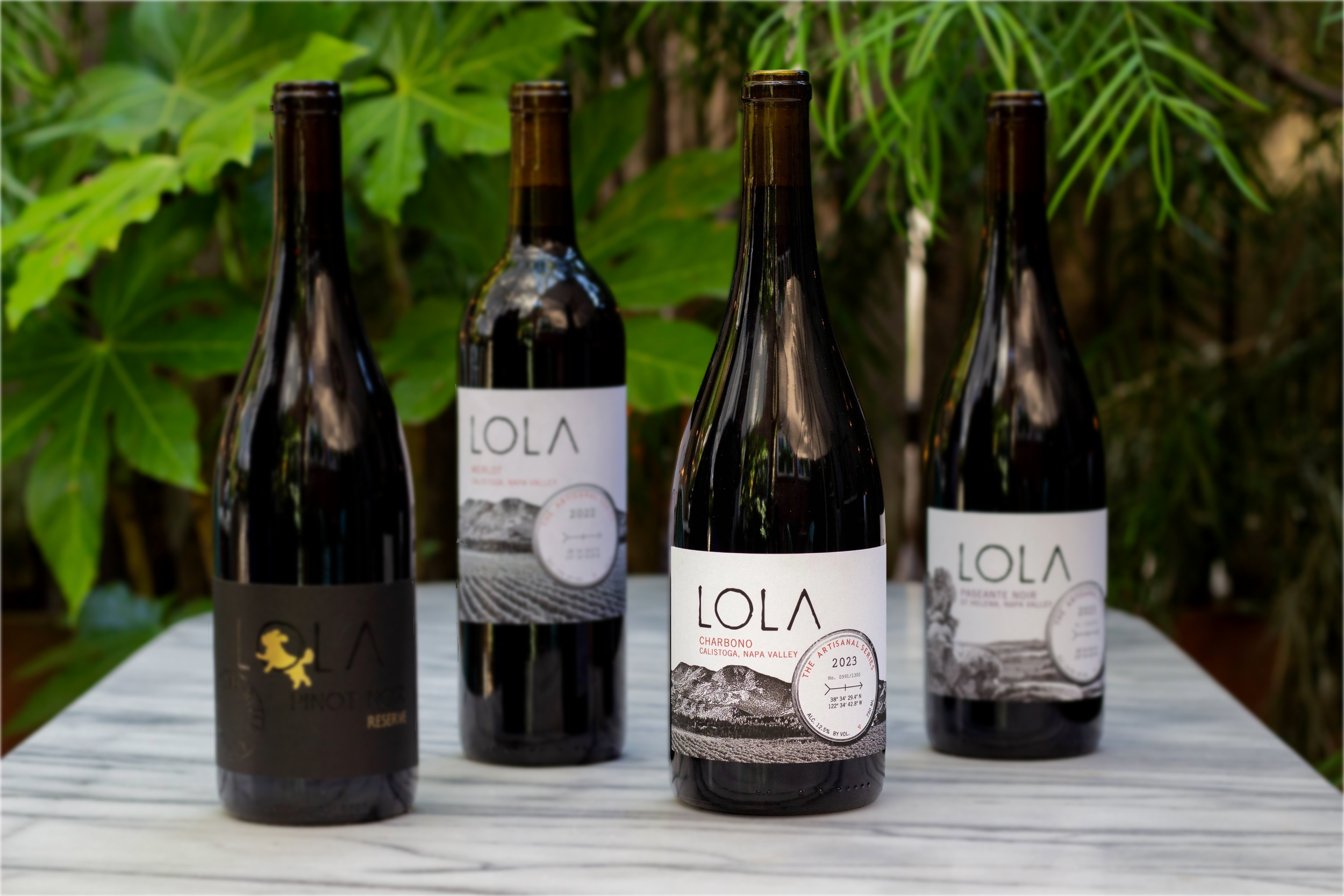
The Near-Extinct Grape That Calistoga Saved
There are wines you order because you know them. And then there are wines you encounter because someone believed in them when almost nobody else did — and put them in your glass before you had the chance to walk past.
LOLA's Charbono is that wine. And its story is one of the most unlikely in all of California viticulture.
A Grape That Nearly Disappeared
For decades it was mislabeled. Growers called it Barbera. Some called it Pinot Noir. It wasn't until the 1940s that researchers confirmed these vines were something else entirely — and Inglenook released California's first wine labeled as Charbono in the same decade.
It never quite found its footing commercially. As Napa Valley built its identity around Cabernet Sauvignon and a handful of other recognized varieties in the late 20th century, Charbono quietly lost ground. Today, fewer than 100 acres remain planted in the entire state of California. Roughly 40 of those acres are in Calistoga — making this small volcanic town at the top of Napa Valley the last significant stronghold of a grape that was once the most planted red variety in France.
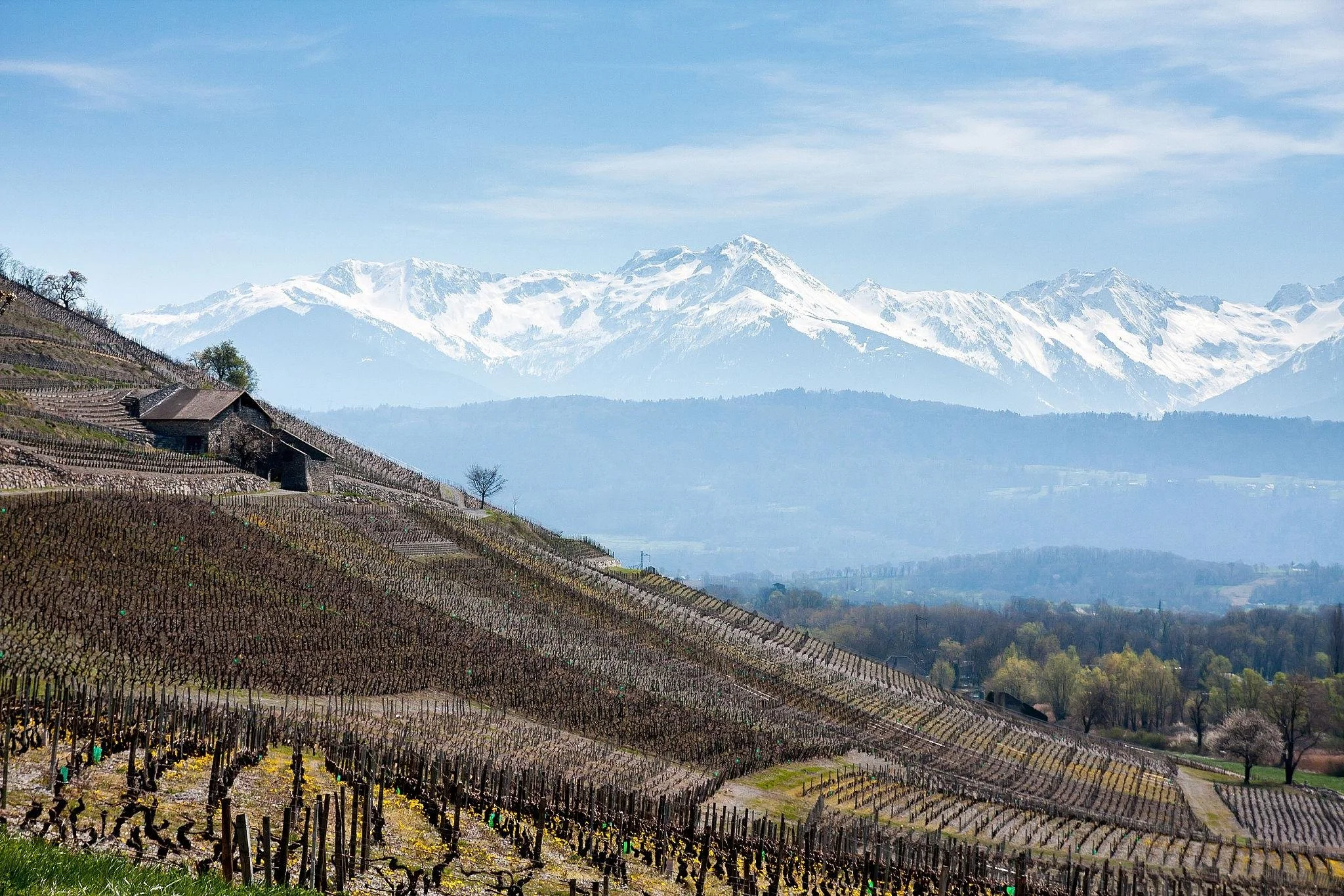
Charbono originated in the Savoie region of eastern France — known there as Douce Noir, or "sweet black" — where by the early 19th century it was the most widely planted red wine grape in the entire country. Then phylloxera swept through Europe in the mid-1800s, devastating vineyards from Burgundy to Bordeaux, and Charbono was among the casualties. It was all but wiped out in the Old World. What survived did so largely because cuttings had already traveled — to Argentina, where the grape thrives today under the name Bonarda as the country's second most planted red variety after Malbec, and to California, where Italian immigrants brought it to Napa Valley around 1880, planting it initially at Inglenook in Calistoga.
The Vines LOLA Farms
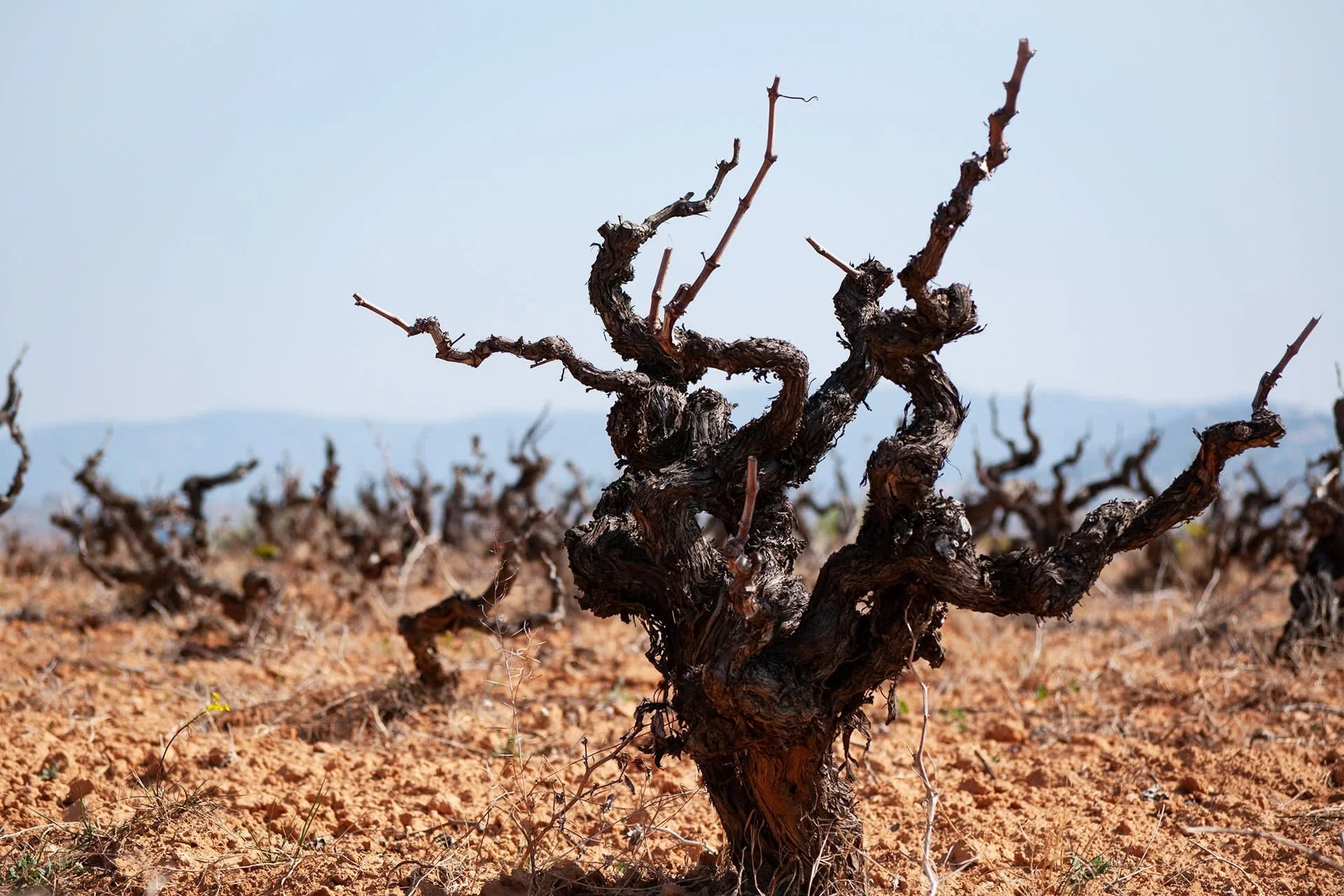
LOLA's Charbono comes from a block off Tubbs Lane in Calistoga — head-trained vines planted in the early 1940s on St. George rootstock, making them among the oldest grapevine plantings in the entire Napa Valley. They have never been irrigated. They are dry-farmed, drawing everything they need from winter rainfall and the deep volcanic soils they have been rooting into for more than eighty years.
Head training is an ancient vine management technique — no wires, no trellis, just a single trunk pruned into a goblet shape that allows the vine to stand freely, the way vines have been grown in the Mediterranean for thousands of years. In Calistoga's volcanic soils and extreme diurnal climate, these old head-trained vines produce tiny yields of intensely concentrated fruit — typically around two to three tons per acre, compared to six or more from younger vines. Less fruit. More character. Every cluster carrying the accumulated wisdom of eight decades of rooting into the same ground.
These vines survived phylloxera, Prohibition, the complete commercial abandonment of the variety, and the Glass Fire of 2020. They are still here. LOLA is one of the few wineries in the world making wine from them.
What does Charbono Taste Like?
LOLA's Charbono is dark purple, almost inky — plum, blackberry, violet, tobacco, and the mineral depth that volcanic Calistoga soil leaves in everything it touches. Rich but not heavy. Structured but fresh enough to be genuinely drinkable rather than merely impressive.
Naturally moderate alcohol, real acidity, serious color and concentration. It is one of the most food-friendly and age-worthy wines in the LOLA portfolio — and one of the most overlooked grape varieties in Napa Valley.
The Slow Food Foundation's Ark of Taste — a global catalog of endangered food products worth preserving — officially recognizes Charbono as a variety in need of protection. Drinking a bottle of LOLA Charbono is, in the most literal sense, an act of preservation.
Why We Make It?
Seth Cripe did not add Charbono to the LOLA portfolio because it was commercially safe. He added it because he tasted those old vines and understood immediately that deserved to exist in the world as a finished wine.
That instinct — to look at something the market has passed over and ask not why it was abandoned but what it was actually capable of — runs through everything LOLA does. The rare grapes. The old vineyards. The belief that the most interesting stories in wine are never the ones that everyone already knows.
Charbono is perhaps the clearest expression of that belief. A grape that nearly vanished from the earth, preserved by accident and stubbornness in the volcanic soils of a small California town, brought back to life in a bottle by a winemaker who thought it was worth the effort.