Dry Farming
Letting the Vineyard Find Its Own Water
Long before irrigation systems existed, vineyards relied entirely on rainfall and the natural water stored in the soil. This method, known as dry farming, remains one of the oldest and most traditional approaches to growing wine grapes. At LOLA, dry farming reflects both a commitment to sustainability and a belief that vines produce their most expressive fruit when they must adapt naturally to their environment.
The Original Way to Grow Wine Grapes
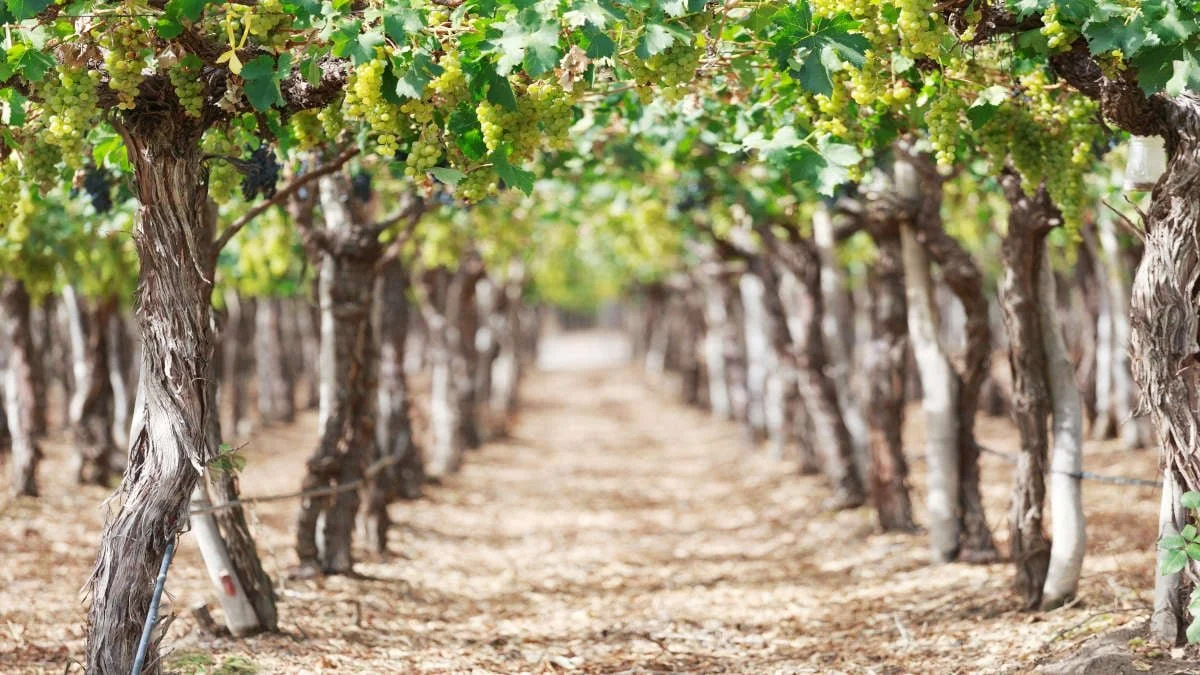
Vines were planted widely apart so each plant could access more soil moisture, encouraging roots to grow deeper in search of water. Many historic vineyards that still exist today, particularly old vine Zinfandel sites, were established using these same dry farming principles.
Only in the second half of the 20th century did modern drip irrigation systems become widespread in vineyards around the world. While irrigation allows growers to control vine growth more precisely and increase yields, it also changed how many vineyards were farmed. Today, dry farming represents both a return to traditional viticulture and a deliberate choice by some growers who believe that vines relying on natural rainfall produce more balanced fruit and more expressive wines.
Dry farming is not a modern innovation. In fact, it is the way vineyards were farmed for most of the history of wine. For thousands of years across Mediterranean regions such as Spain, Italy, France, and Greece, grapevines survived entirely on winter rainfall stored deep in the soil. Irrigation systems simply did not exist, and growers selected vineyard sites and grape varieties that could naturally adapt to dry summers and seasonal rainfall patterns.
This tradition also shaped the early vineyards of California. During the 19th century, when the first vineyards were planted across the state, irrigation infrastructure had not yet been developed.
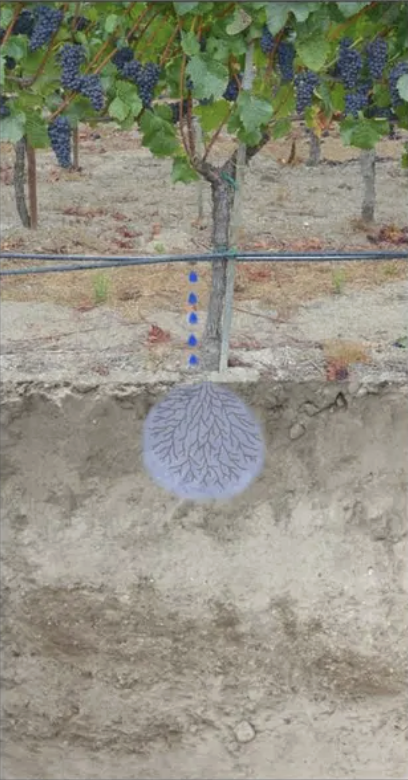
Irrigated vines year 3
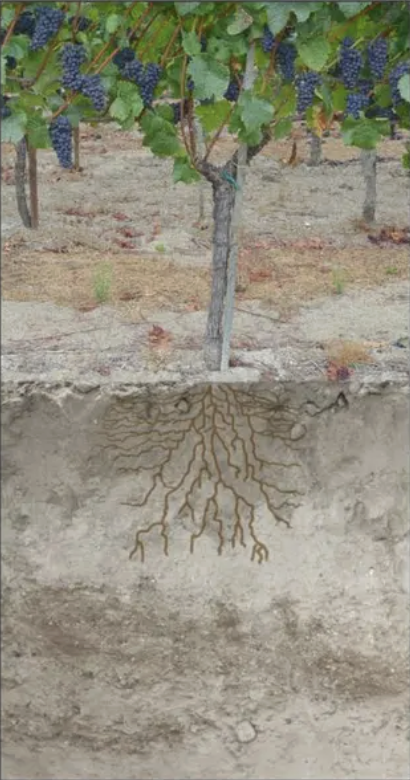
Dry Farmed vines year 3
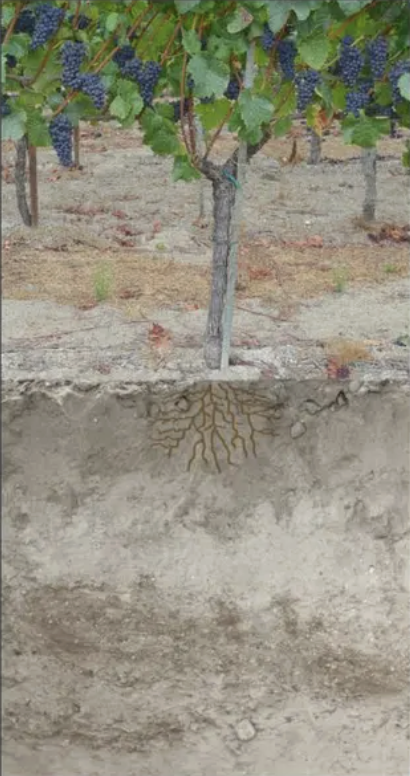
Dry Farmed vines at year 1
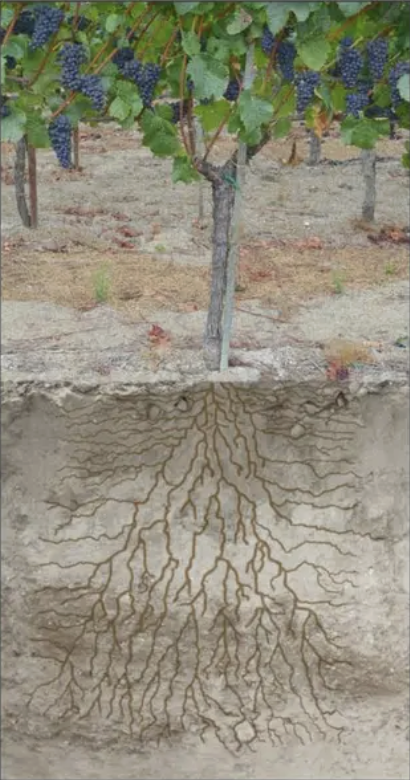
Dry Farmed vines year 5
How Dry Farming Works
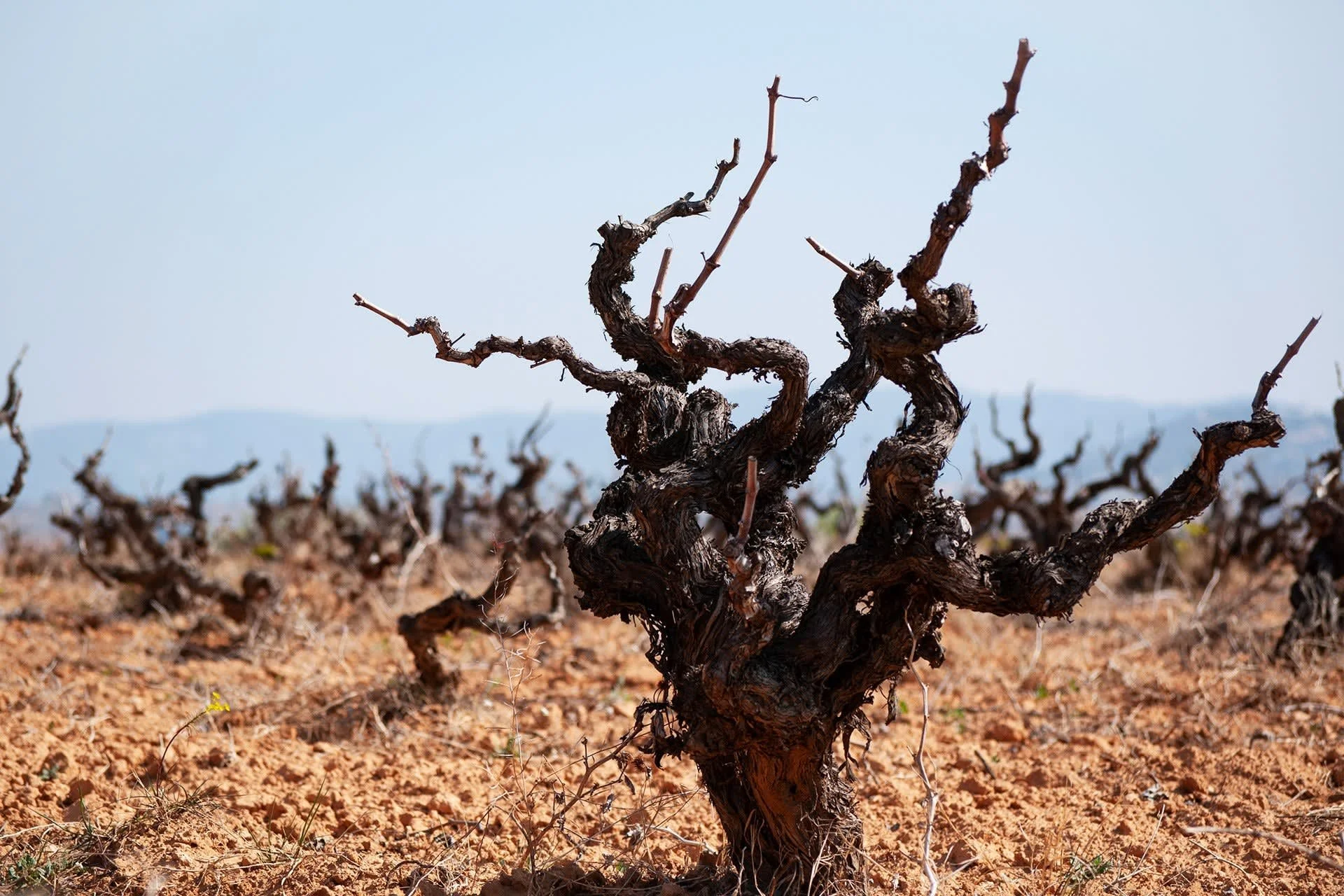
Dry farming means growing grapevines without irrigation once they are established. Instead of receiving water through drip lines or sprinklers, the vines rely on rainfall stored in the soil during the winter months. As the growing season progresses and the soil surface dries, the vines must send their roots deeper into the ground to find moisture.
Over time this creates remarkably deep root systems. Some mature vines may reach several meters into the soil, accessing water reserves that shallow rooted plants cannot reach. This deep rooting also allows the vines to interact more closely with the mineral composition of the soil, which many growers believe enhances the expression of terroir in the finished wine.
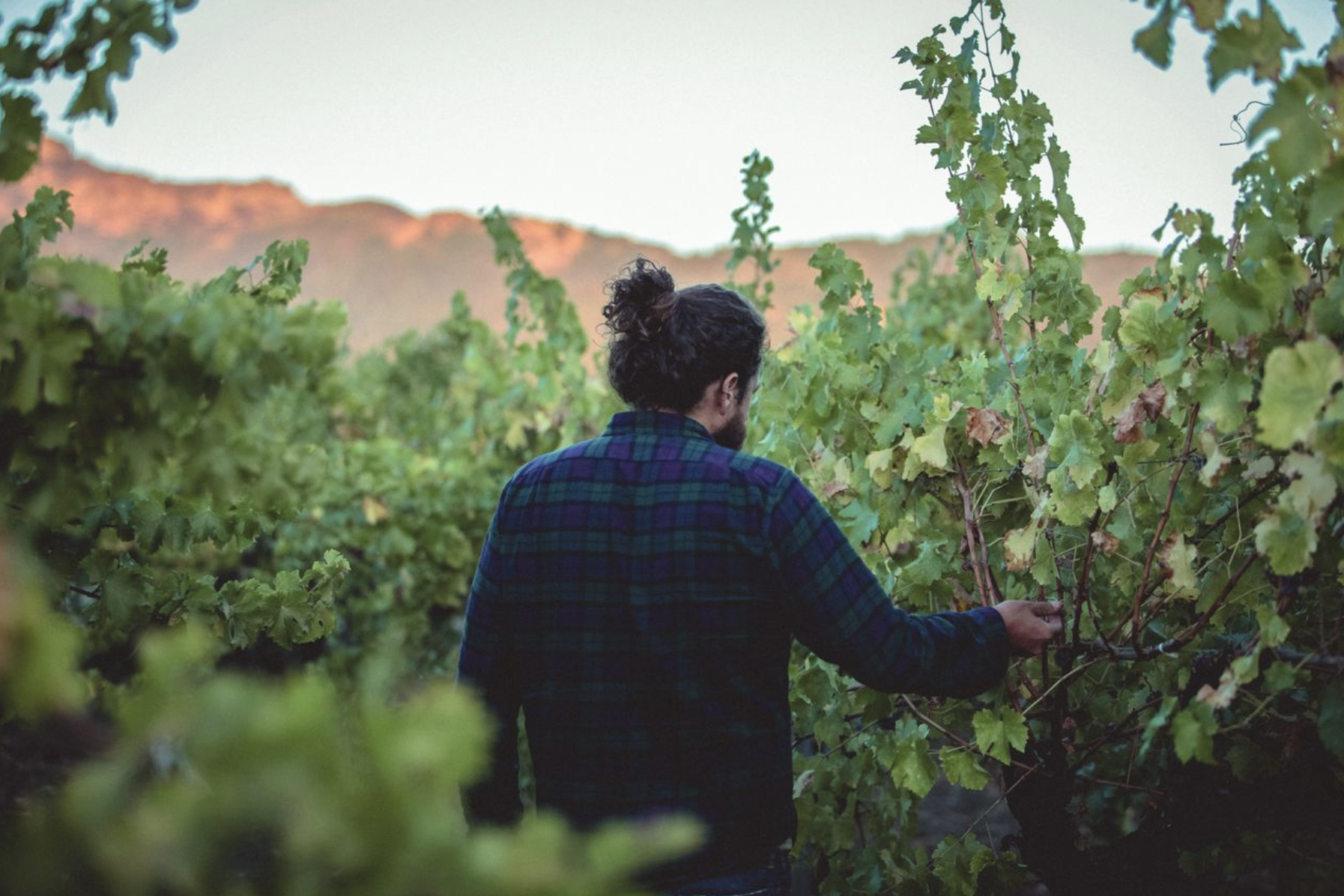
Dry Farming at LOLA
At LOLA, dry farming is part of a broader philosophy of minimal intervention and vineyard balance. Rather than relying on irrigation to drive rapid vine growth, the goal is to allow the vines to adapt naturally to the conditions of the site.
When vines grow without regular irrigation, they tend to produce smaller berries and lower yields. While this reduces total production, it often results in grapes with more concentrated flavor and balanced acidity. The vineyard develops a natural equilibrium between soil, climate, and vine, producing fruit that reflects the character of the place where it grows.
Why Dry Farming Matters
Dry farming is both a traditional and forward looking approach to viticulture. Because it uses no irrigation, it conserves water resources and reduces pressure on local ecosystems. At the same time, it encourages vines to become resilient and self sustaining.
For wineries like LOLA, dry farming is ultimately about authenticity. When vines rely on the natural rhythms of rainfall and soil moisture, the wine that results tends to express its origin more clearly. The vineyard becomes not just a place where grapes grow, but a living system that shapes the wine from the ground up.