Low Alcohol Wine
When Balance Matters More Than Power
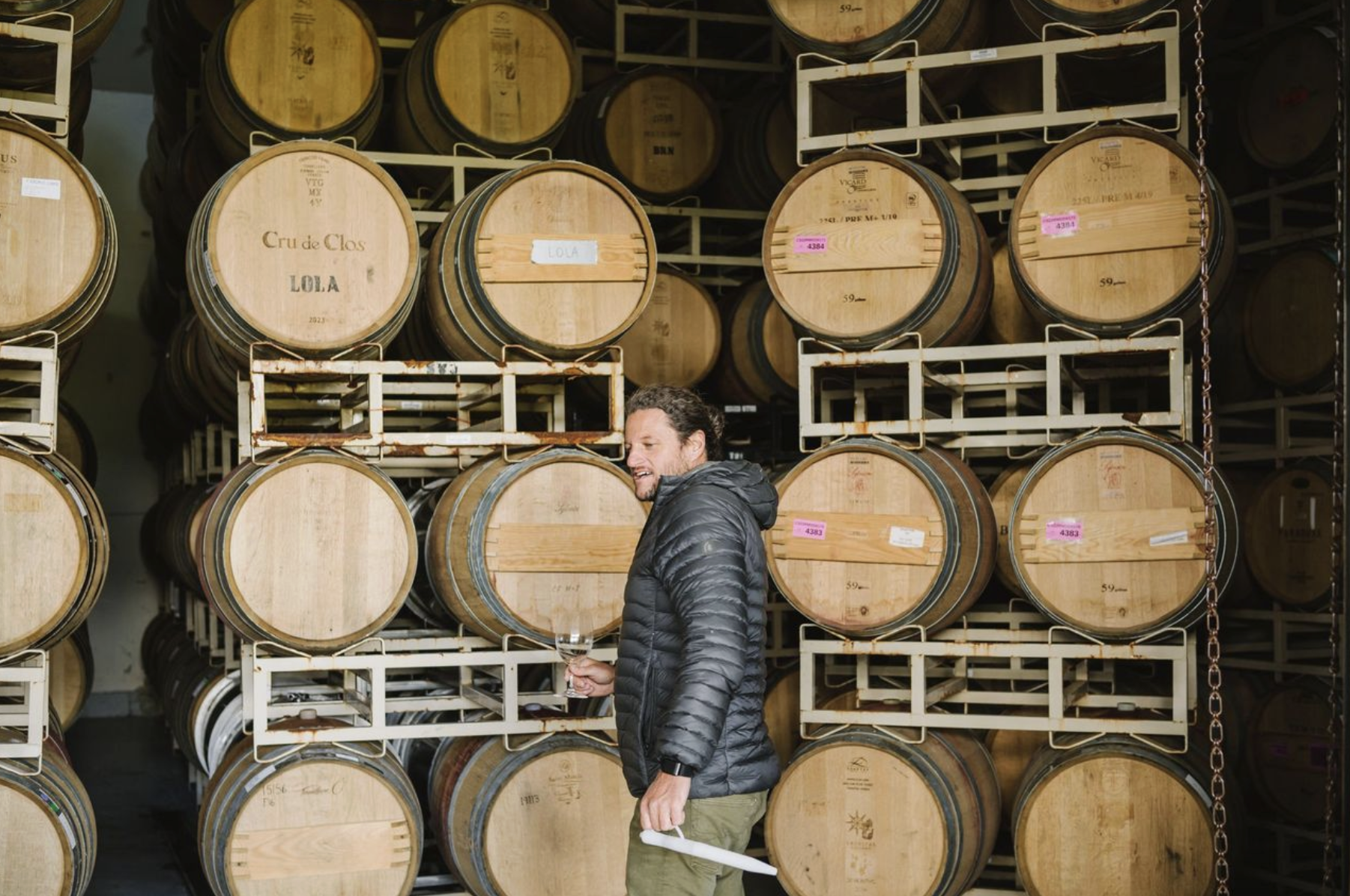
In many modern wines, alcohol levels have climbed higher and higher. At LOLA, the goal is different. Most whites sit around 11–12% alcohol and the reds remain under 14%. These numbers reflect a simple philosophy: harvest grapes when they are balanced, not when sugar is at its peak.
Why Alcohol Levels in Wine Have Increased
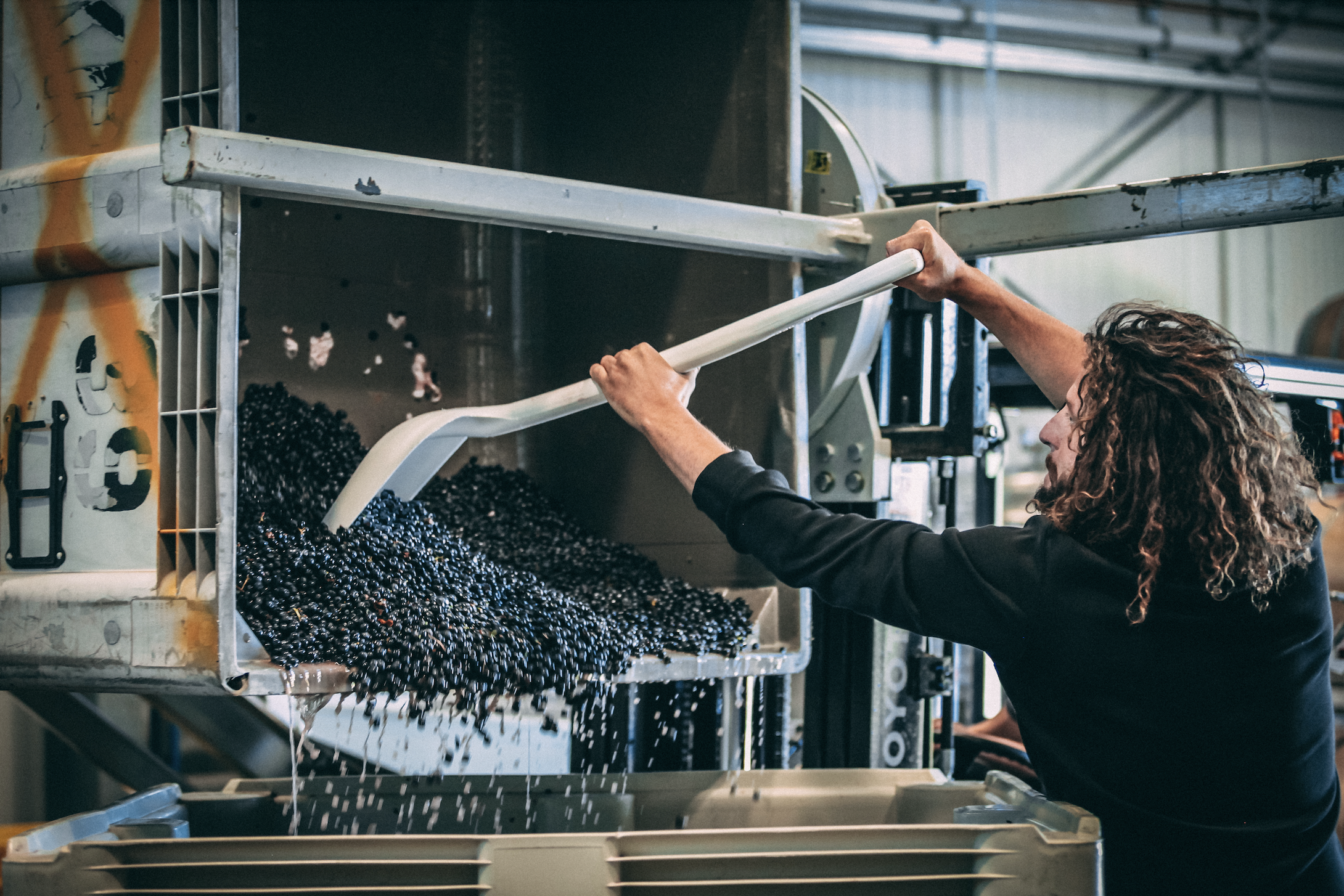
Alcohol in wine comes directly from the sugar present in the grapes at harvest. During fermentation, yeast converts that sugar into alcohol. The riper the grapes become on the vine, the more sugar they accumulate and the higher the alcohol level of the finished wine.
Over the past few decades, many producers began harvesting grapes later in the season to achieve very ripe fruit flavors and softer textures. While this can create bold, fruit-forward wines, it also leads to higher alcohol levels that can overwhelm a wine’s balance. When alcohol becomes too dominant, it can mask acidity, flatten texture, and create a warm or burning sensation on the finish.
Lower alcohol wines, by contrast, come from grapes picked at the moment when flavor maturity and natural balance align.
Why Lower Alcohol Wines Feel More Alive
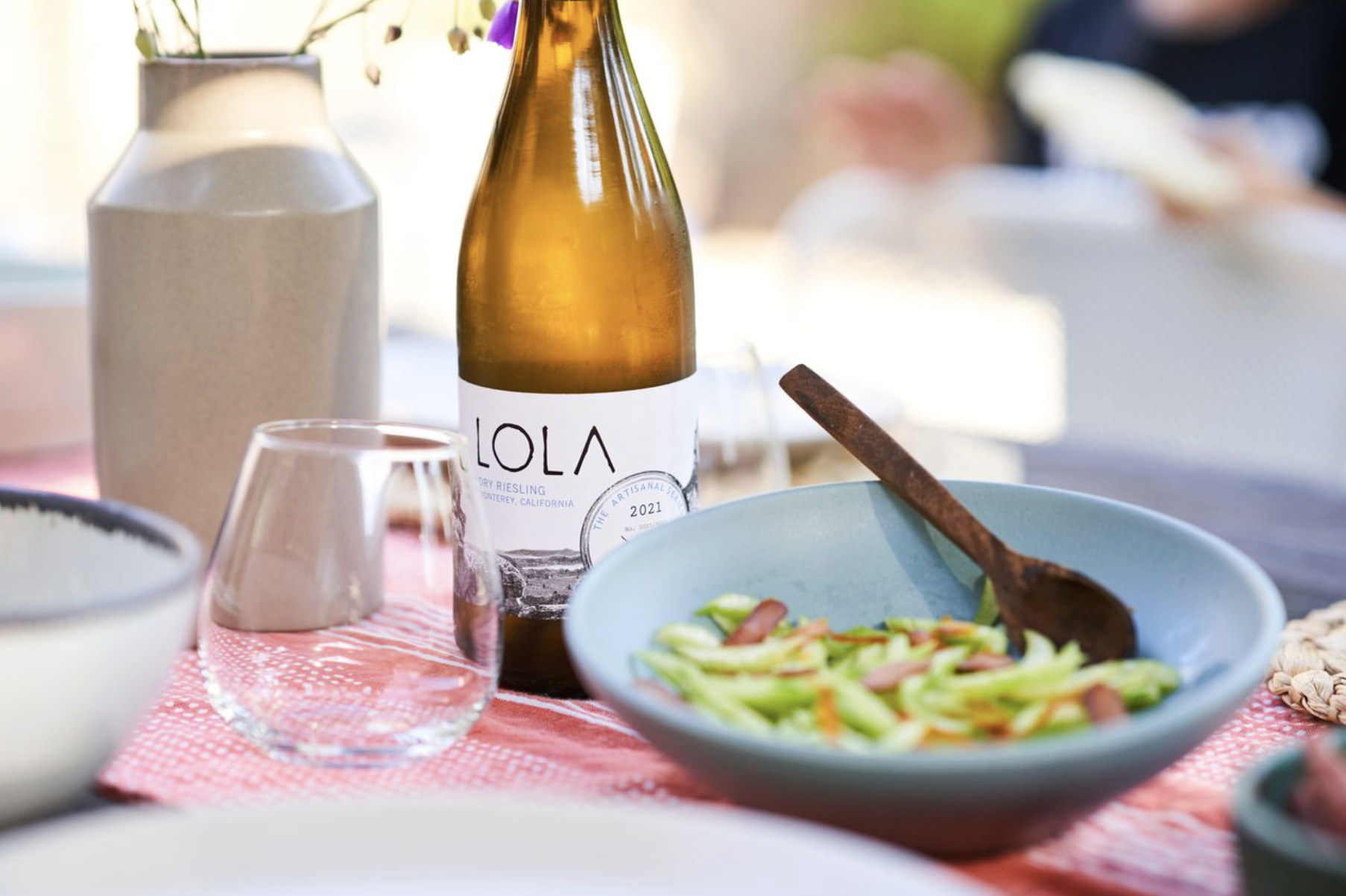
When grapes are harvested earlier, before sugars rise too high, the resulting wines often retain greater acidity and freshness. This balance creates what winemakers often call tension, the interplay between fruit, structure, and acidity that keeps a wine vibrant from the first sip to the last.
At around 11 to 12 % alcohol, LOLA’s white wines maintain bright aromatics and precision on the palate. Varieties like Malvasia Bianca, Chenin Blanc, Vermentino, and Albariño express freshness and complexity without heaviness.
The same philosophy applies to the reds. Wines made from grapes such as Charbono, Pinot Noir, Counoise, or even our Cabernet Sauvignon maintain structure and energy when alcohol stays below 14 %.
The Farming Behind the Numbers
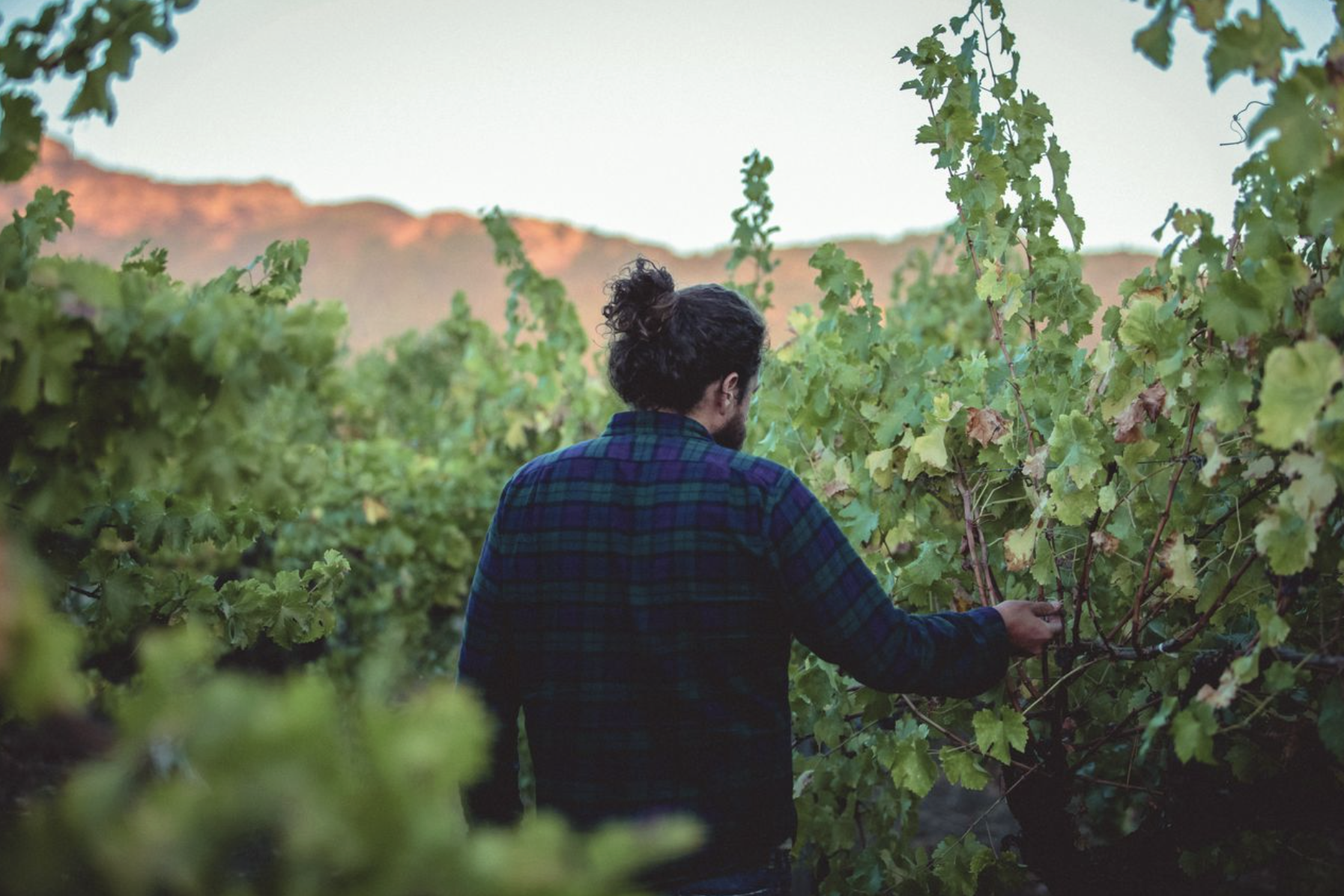
Lower alcohol wines are not created by reducing alcohol in the winery. Instead, they begin in the vineyard. Farming practices such as dry farming, organic soil management, and careful harvest timing help grapes ripen slowly and evenly.
In regions like Napa Valley and the nearby Russian River Valley, warm daytime temperatures are balanced by cool nights. These dramatic temperature shifts help preserve acidity while slowing sugar accumulation in the grapes.
The result is fruit that develops complex flavors before sugar levels climb too high. When harvested at that moment, the finished wine naturally falls into a lower alcohol range while maintaining depth and character.
Why Lower Alcohol Wines Work Better With Food
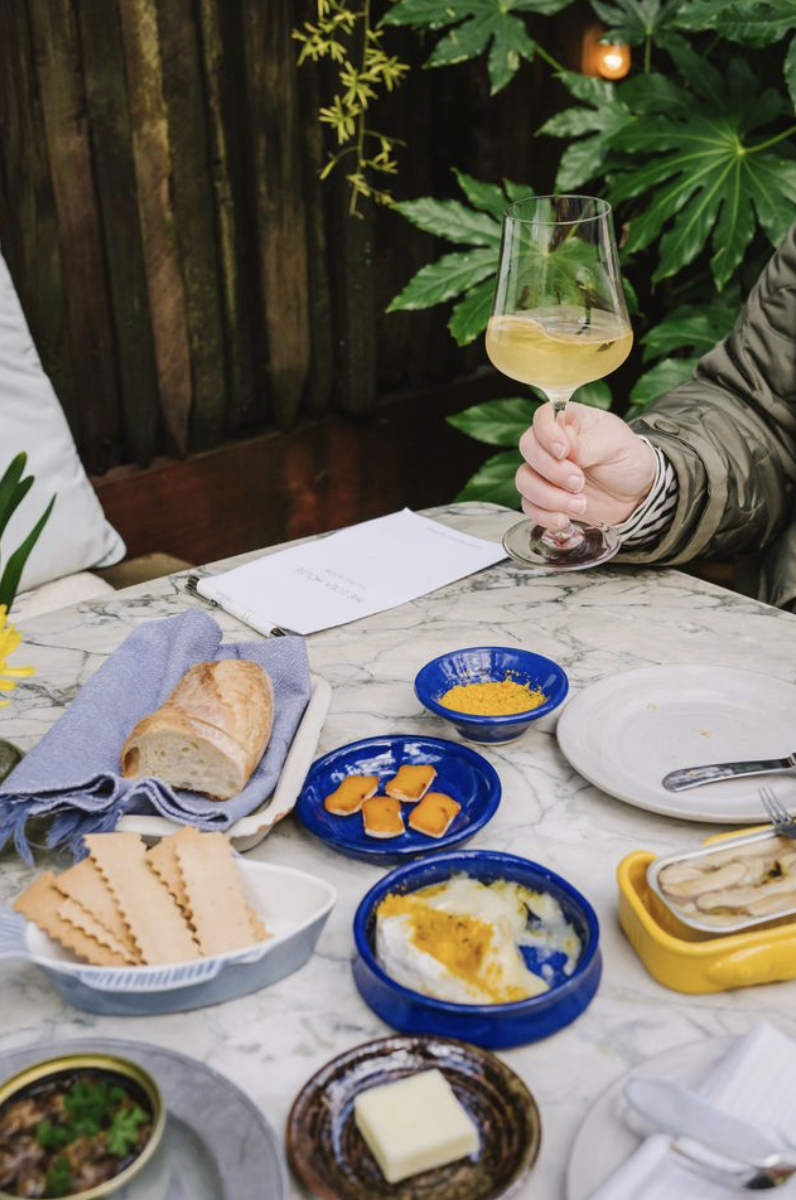
Lower alcohol wines tend to perform exceptionally well at the table. Because they are lighter and more balanced, they complement food rather than dominating it. Acidity refreshes the palate, allowing the flavors of both the dish and the wine to remain clear.
This philosophy is central to the wines served at the LOLA House tasting room in Calistoga. Wines with moderate alcohol levels pair naturally with foods such as seafood, cured fish, cheeses, and seasonal dishes.
In the end, lower alcohol is not about restraint for its own sake. It is about balance. When alcohol remains in harmony with fruit and acidity, the wine becomes more expressive, more drinkable, and ultimately more enjoyable at the table.