Why Calistoga Is Napa Valley's Most Underrated Wine Town…
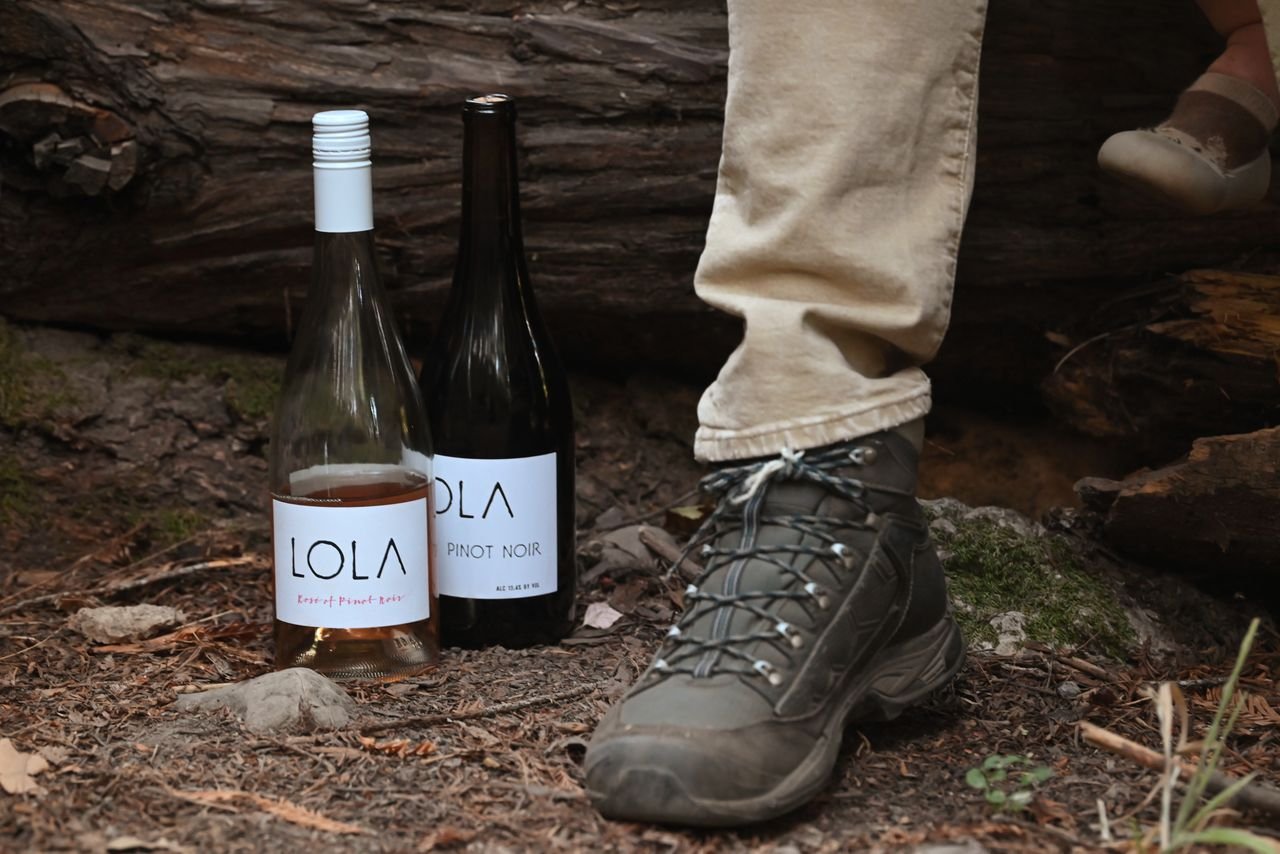
And Why LOLA Belongs Here
Most people who visit Napa Valley never quite make it to Calistoga. They stop in Yountville, taste in Oakville, check the time somewhere around St. Helena, and turn around.
It is, without question, their loss.
The Town That Stayed Itself
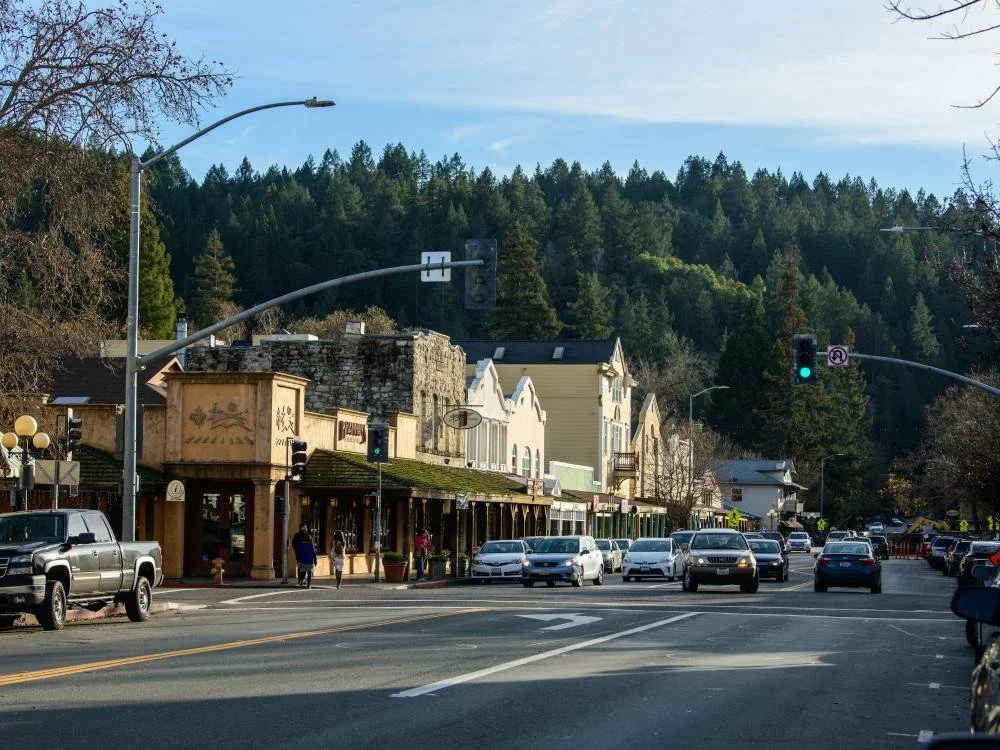
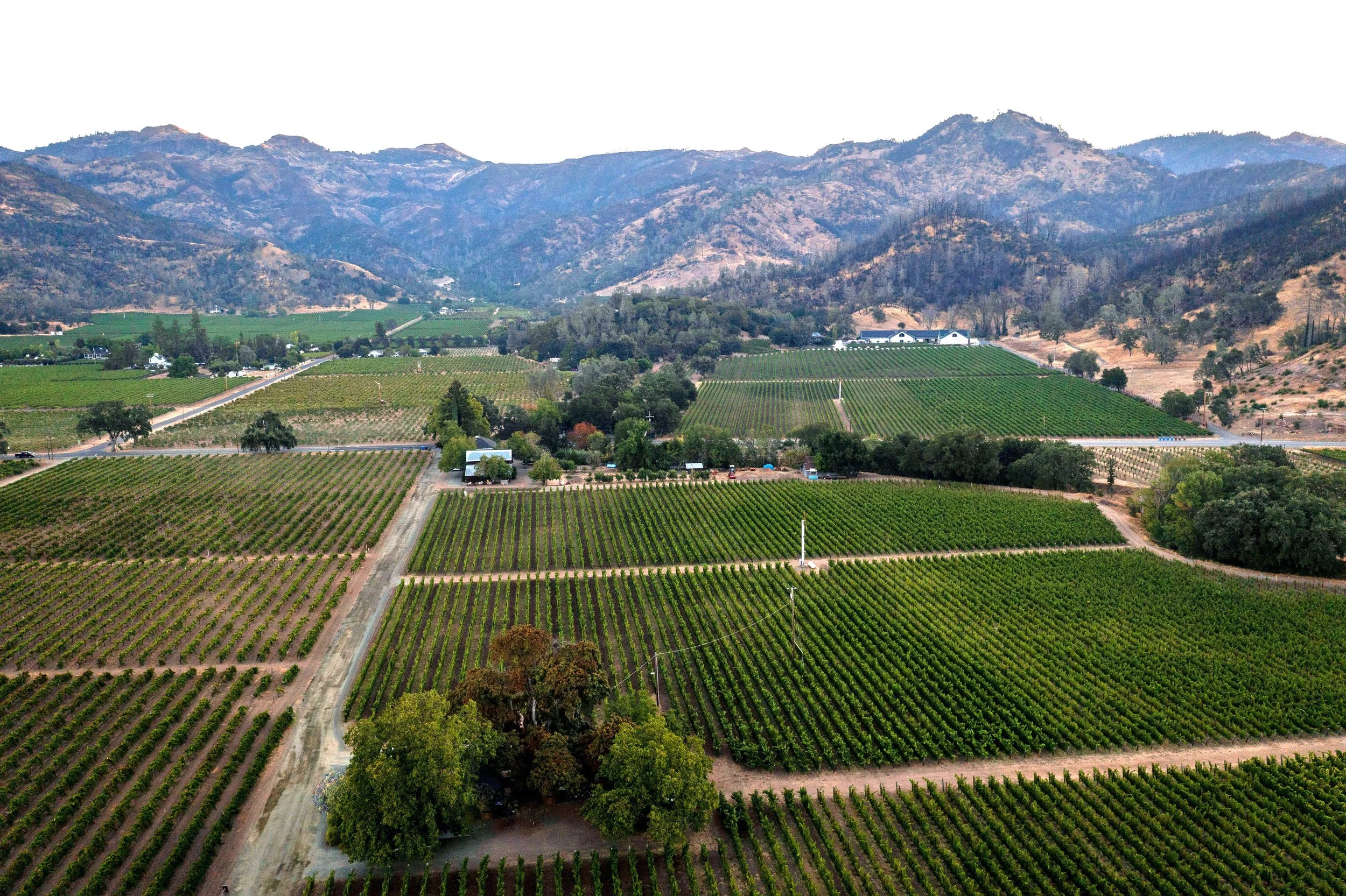
Calistoga sits at the very top of Napa Valley, where the road narrows, the mountains close in from three sides, and the valley simply stops. It is not a corridor between things. It is a destination — and for most of its history, that destination had nothing to do with wine.
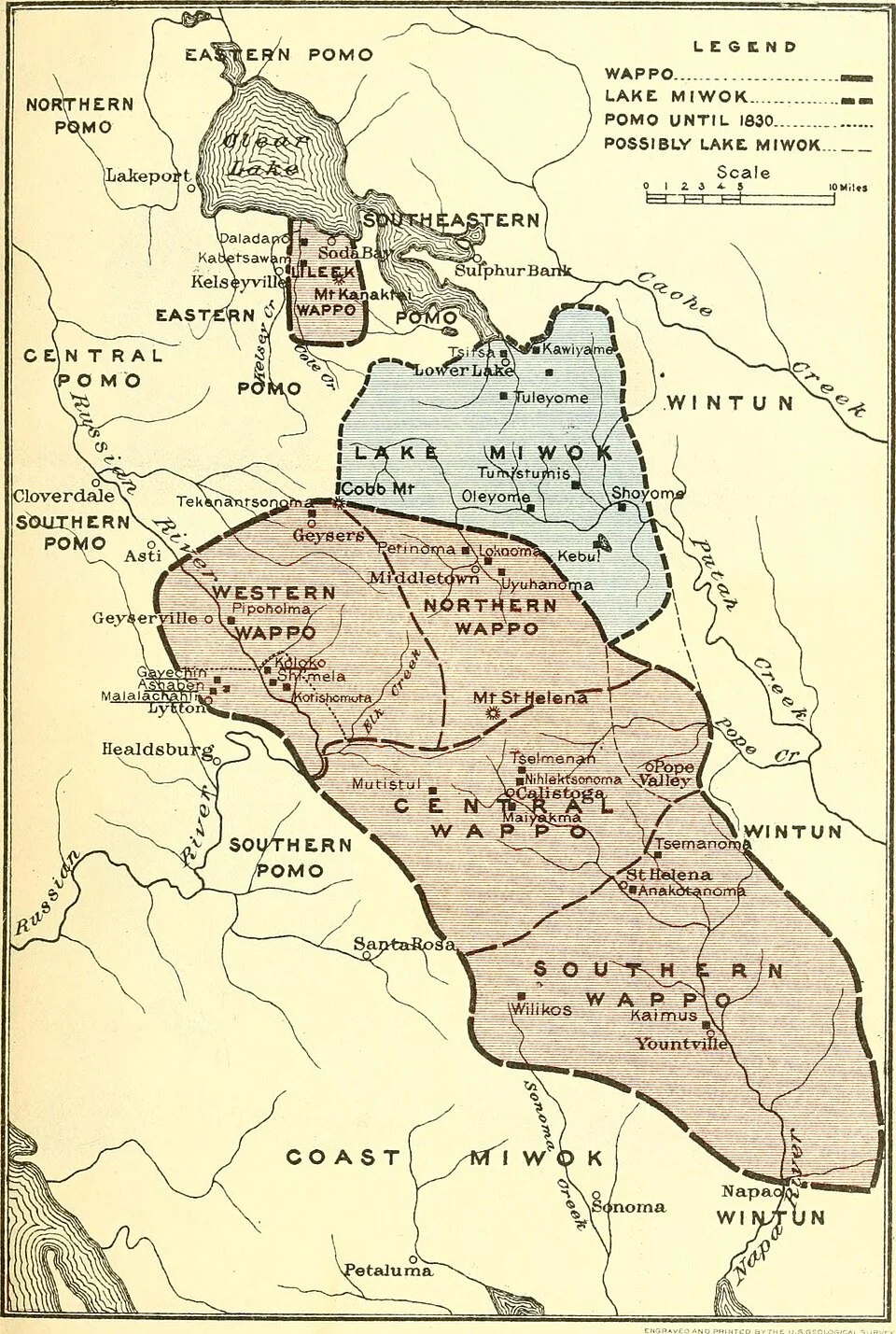
Long before Napa became the world's most famous wine region, Calistoga was already drawing visitors to its geothermal hot springs, discovered by the Wappo people centuries before European settlers arrived.
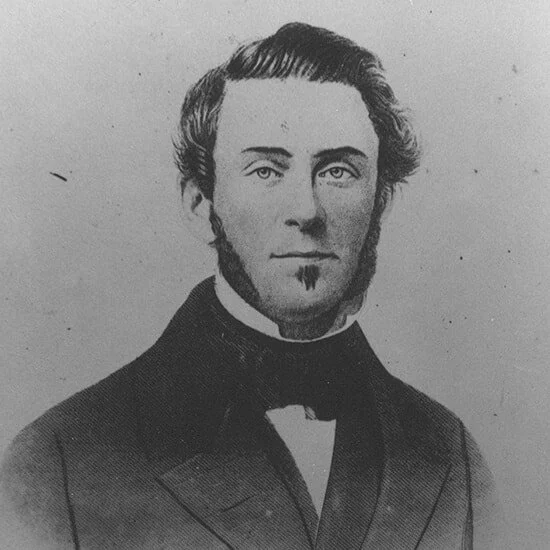
In the 1860s, entrepreneur Samuel Brannan purchased two thousand acres and set out to build the "Saratoga of California" — a luxury spa resort anchored by the extraordinary mineral waters bubbling naturally from the earth. The name Calistoga itself was born from a slip of the tongue at a dinner party. It stuck. So did the town's identity: independent, unhurried, and quietly, stubbornly itself.
As Napa Valley's wine tourism grew into something polished, expensive, and architecturally ambitious, Calistoga remained a small town. Lincoln Avenue is lined with independent shops, local restaurants, and tasting rooms that feel like tasting rooms. The pace is slower. The crowds are thinner. It is the part of Napa that feels like wine country used to feel — personal, rural, and rooted in the land rather than in the ambitions of luxury brands.
What the Volcano Left Behind
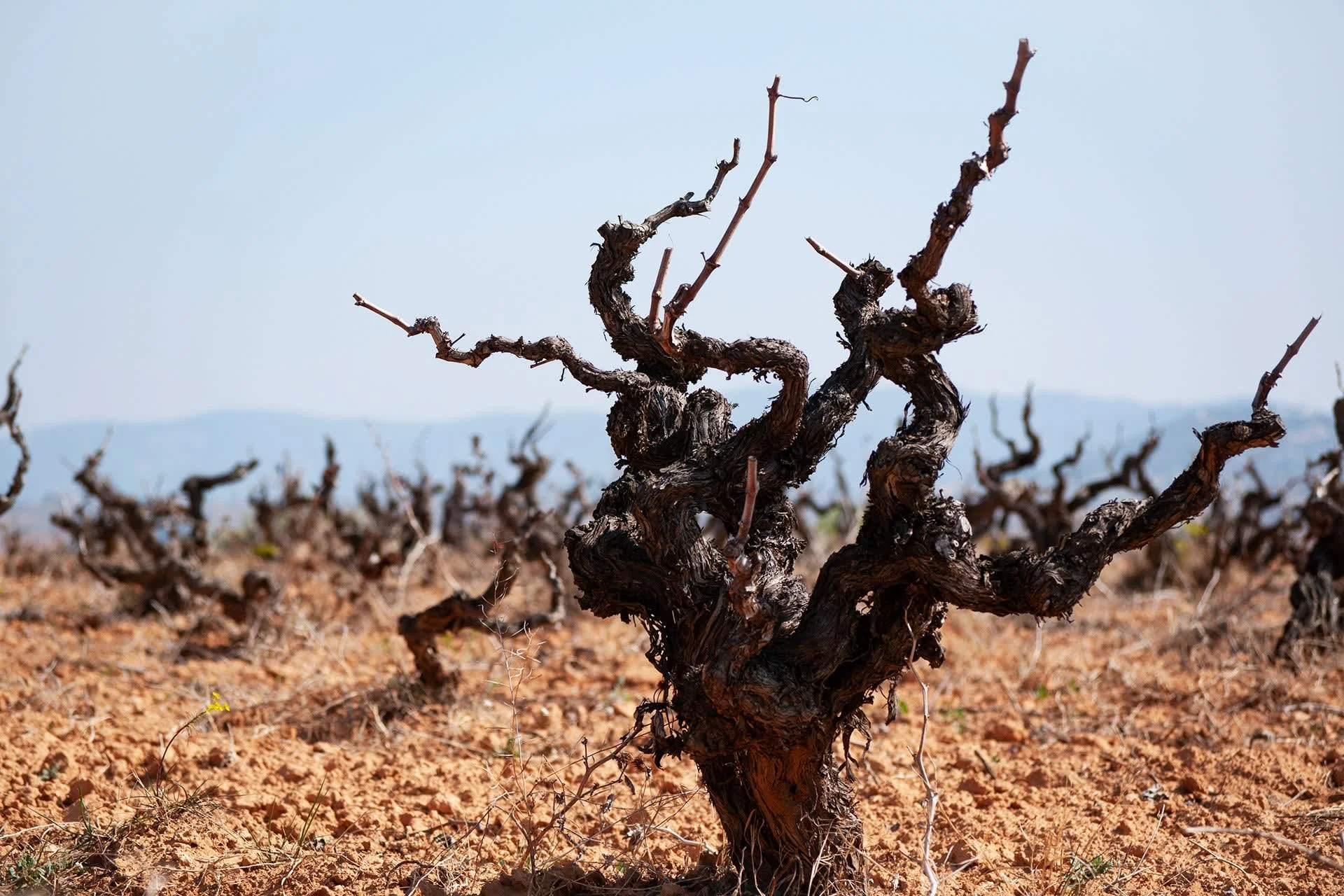
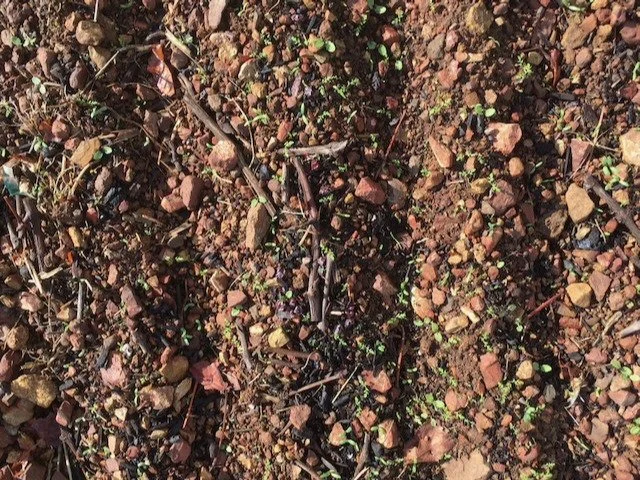
Calistoga's soils are almost entirely volcanic — the product of eruptions between one and three million years ago that deposited mineral-rich ash across the valley floor. Low in fertility, well-drained, and full of iron and magnesium, these soils stress the vine in exactly the right way: forcing it to root deeper, work harder, and produce fruit with genuine character and concentration.
The climate is equally distinctive. Calistoga has the most extreme diurnal temperature variation of any appellation in Napa Valley — summer days above 100°F, nights dropping to the low 40s as Pacific air flows through the Chalk Hill Gap. That swing is the reason Calistoga grapes develop complex flavors under the heat of the day while retaining the natural acidity that keeps wines structured and alive. Power and freshness in the same glass. It is Calistoga's particular genius — and it is precisely what you taste in every bottle of LOLA.
Why LOLA Belongs Here
When Seth Cripe leased a run-down house on Foothill Boulevard in 2012 and began the slow work of restoring it, he wasn't making a strategic location decision. He was following a conviction.
He wanted LOLA to be unhurried, authentic, and connected to the land.
Calistoga has always been the most honest part of Napa Valley. LOLA has always been the most honest kind of winery. It was never a coincidence that they found each other.