Low Sulfite Wine
Why Less Protection Can Mean Better Wine
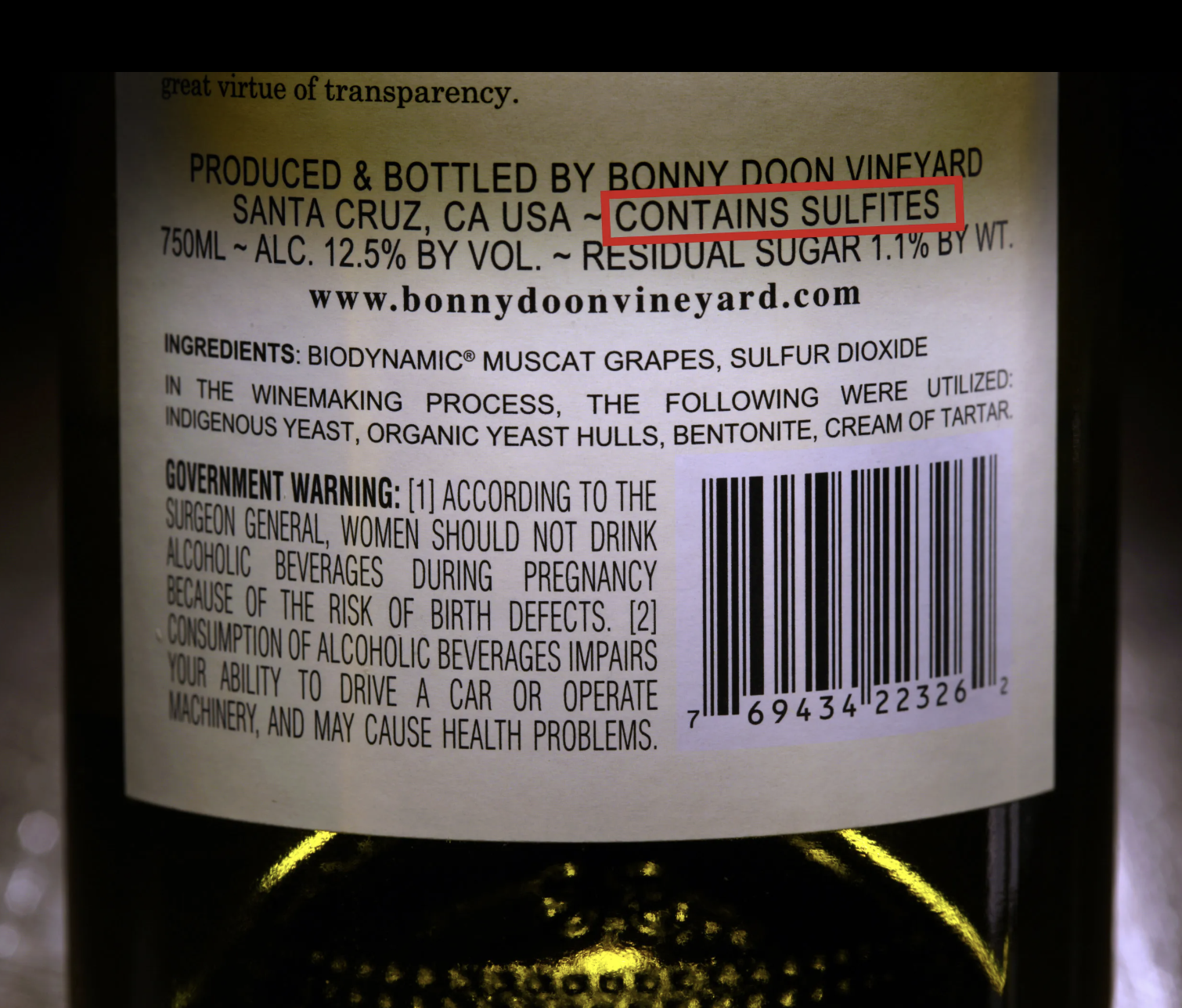
Wine labels often include a small phrase most people barely notice: “contains sulfites.” It appears on nearly every bottle, yet rarely comes with any explanation. What are sulfites, how much is actually in the wine, and why do some winemakers choose to use far less of them? At LOLA, the answer comes down to careful farming, clean fruit, and a belief that wine should express the vineyard rather than be protected by heavy intervention.
What Are Sulfites in Wine?
Sulfites are a natural compound used in winemaking for centuries. Even the Romans used sulfur to clean and protect their wine vessels. Today, sulfur dioxide serves two essential purposes in wine: preventing oxidation and protecting against unwanted microbes during aging and storage.
When used carefully, sulfites are essentially invisible in the finished wine. They help maintain freshness and stability without affecting flavor. However, excessive additions can suppress aromatics and introduce harsh notes. For many modern winemakers, the real question is not whether sulfites should be used, but how little is truly necessary.
How Much Sulfite Is in Wine?
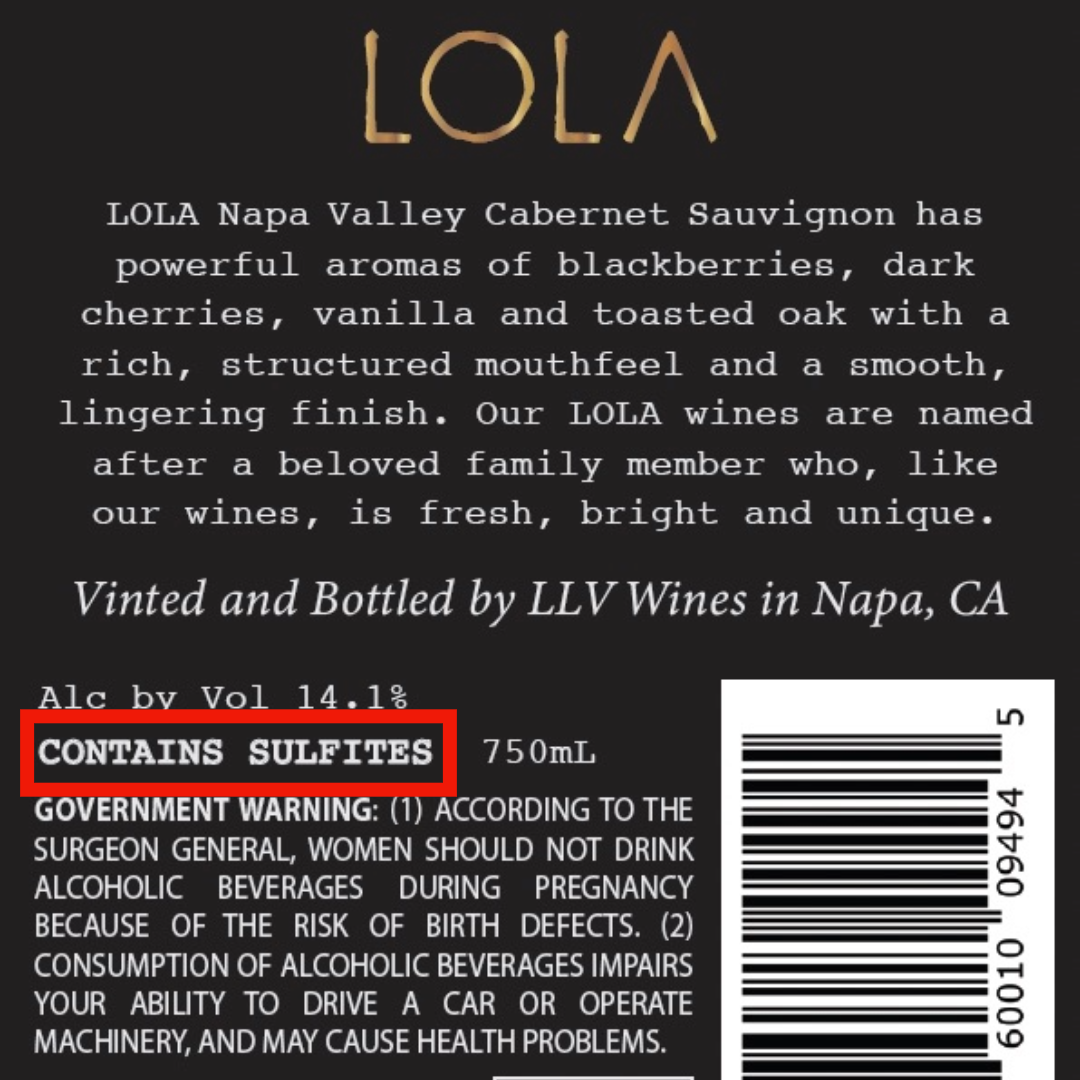
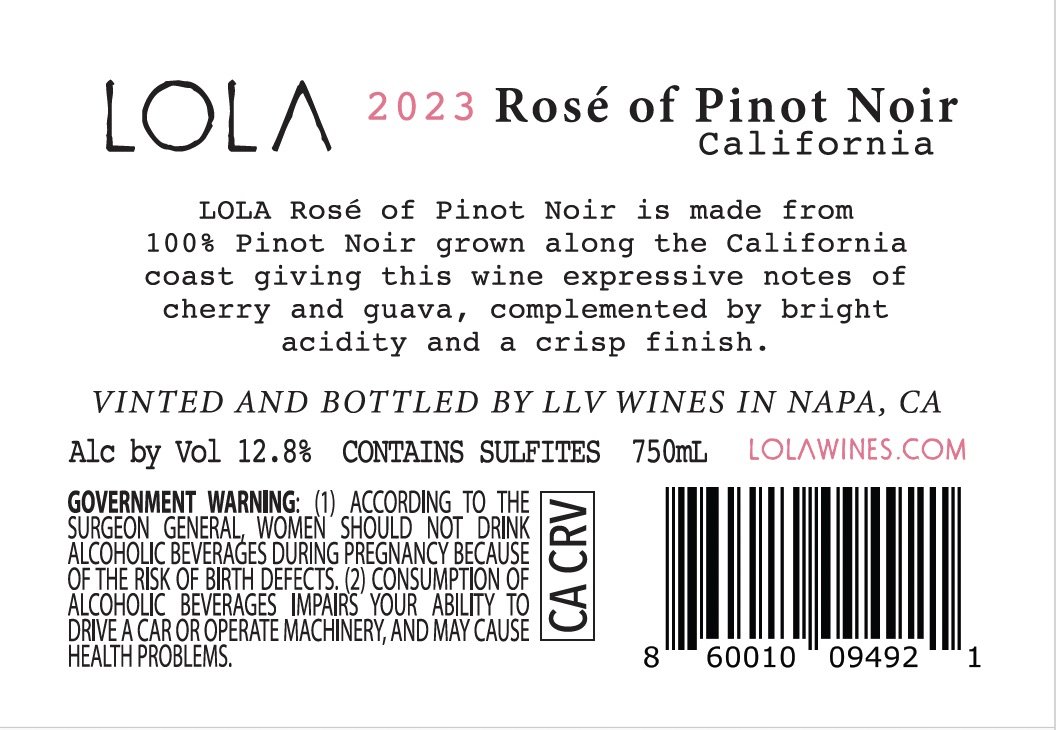
Every bottle of wine sold in the United States must include the phrase “contains sulfites,” but the label does not indicate the quantity. The legal maximum allowed is 350 parts per million (ppm), while many conventional wines average around 200 ppm, with white wines often containing more than reds.
Organic standards are stricter. Wines made from organic grapes are limited to 100 ppm, and wines labeled simply “organic” cannot contain added sulfites.
LOLA wines fall well below these thresholds. Across the entire portfolio, sulfite levels remain under 50 ppm, added only during the aging process known as élevage. In practical terms, that is less than a quarter of what many conventional wines contain.
Why Healthy Vineyards Need Fewer Sulfites
The amount of sulfites required in a wine often begins with the condition of the fruit. Organically farmed vineyards tend to produce grapes with stronger skins, balanced acidity, and lower oxidative damage. This natural stability reduces the need for heavy intervention in the cellar.
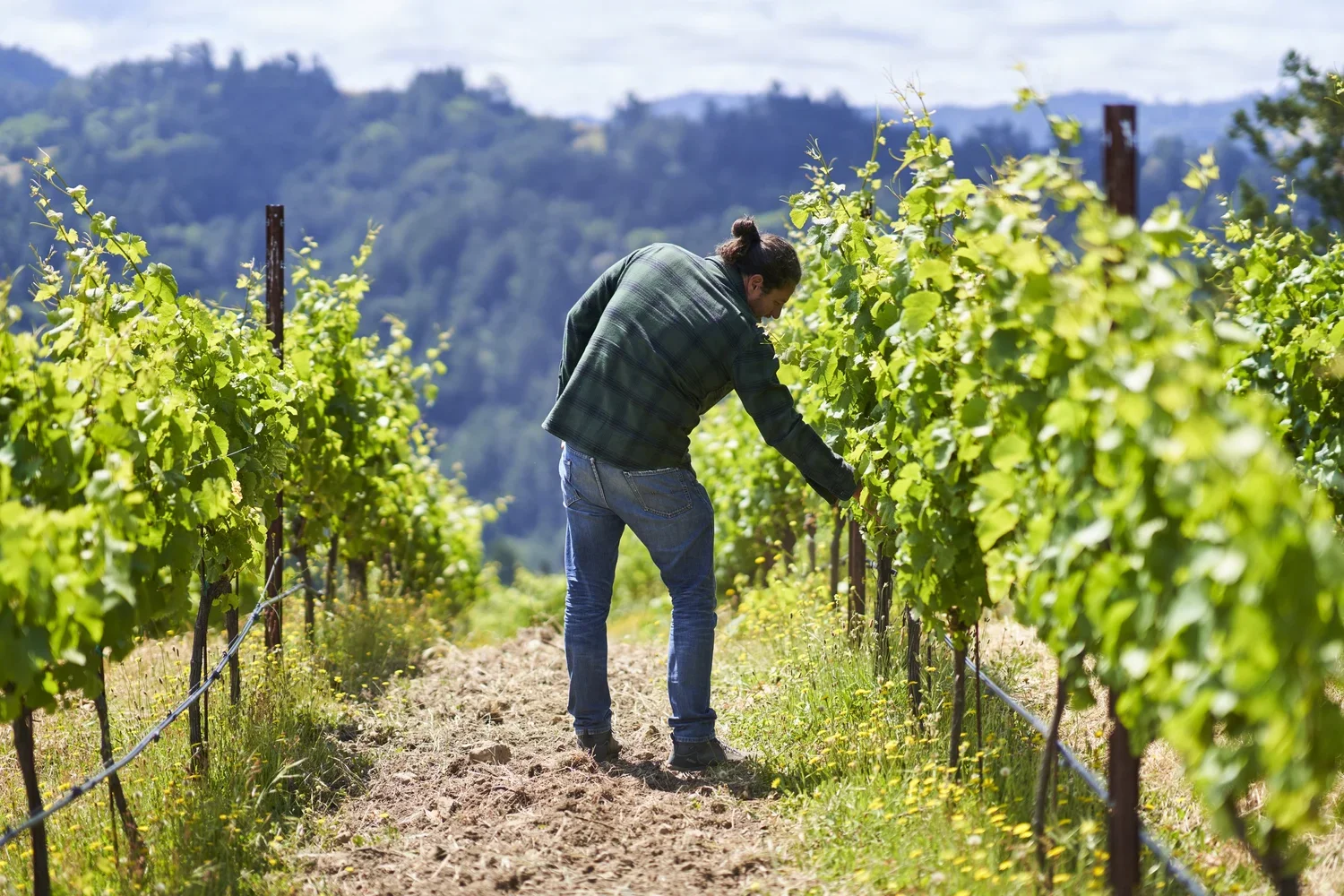
At LOLA, farming practices prioritize vineyard health first. By the time grapes arrive at the winery, they already possess the balance and structure needed for stable fermentation and aging. Small additions of sulfites during élevage protect the wine through the most oxygen sensitive stage of barrel aging, while preserving the natural character of the fruit.
Why LOLA Makes Low Sulfite Wines
Producing wine with minimal sulfites requires confidence in both the vineyard and the winemaking process. Higher sulfite levels act as insurance, helping wines remain stable through transport, storage, and time. Lower levels remove much of that safety margin.
At LOLA, this trade off is intentional. Wines made with very low sulfite additions tend to be more expressive, more transparent, and more reflective of the vineyard and vintage. They evolve in the glass and reveal the complexity that careful farming and minimal intervention are meant to preserve.
Across the portfolio, LOLA wines remain under 50 ppm sulfites, added only during élevage. It is a small number that represents a larger philosophy: thoughtful farming, restrained winemaking, and wines that remain true to where they come from.