
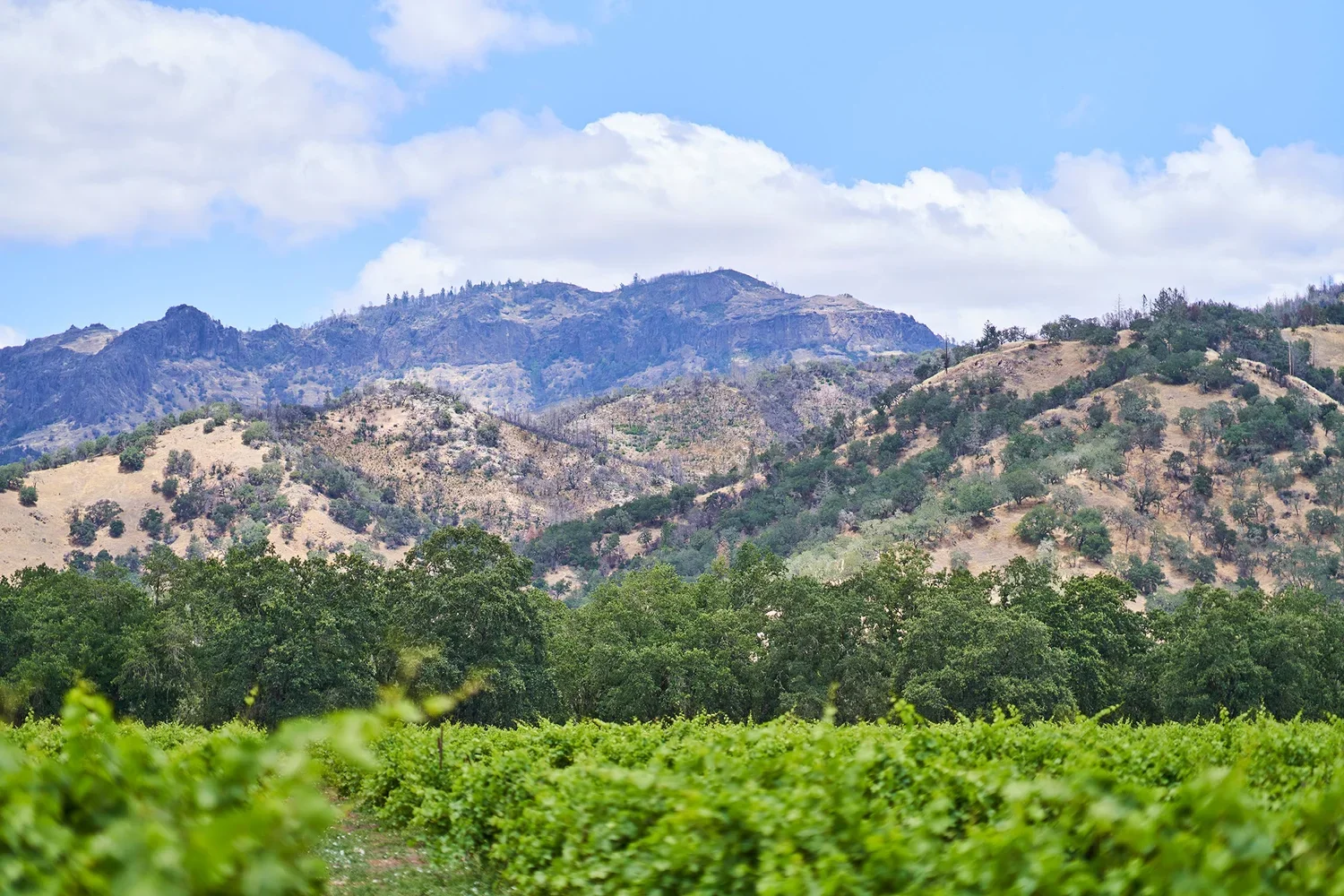
Two Exceptional Wine Regions
Napa Valley and Russian River Valley
Calistoga, Napa Valley
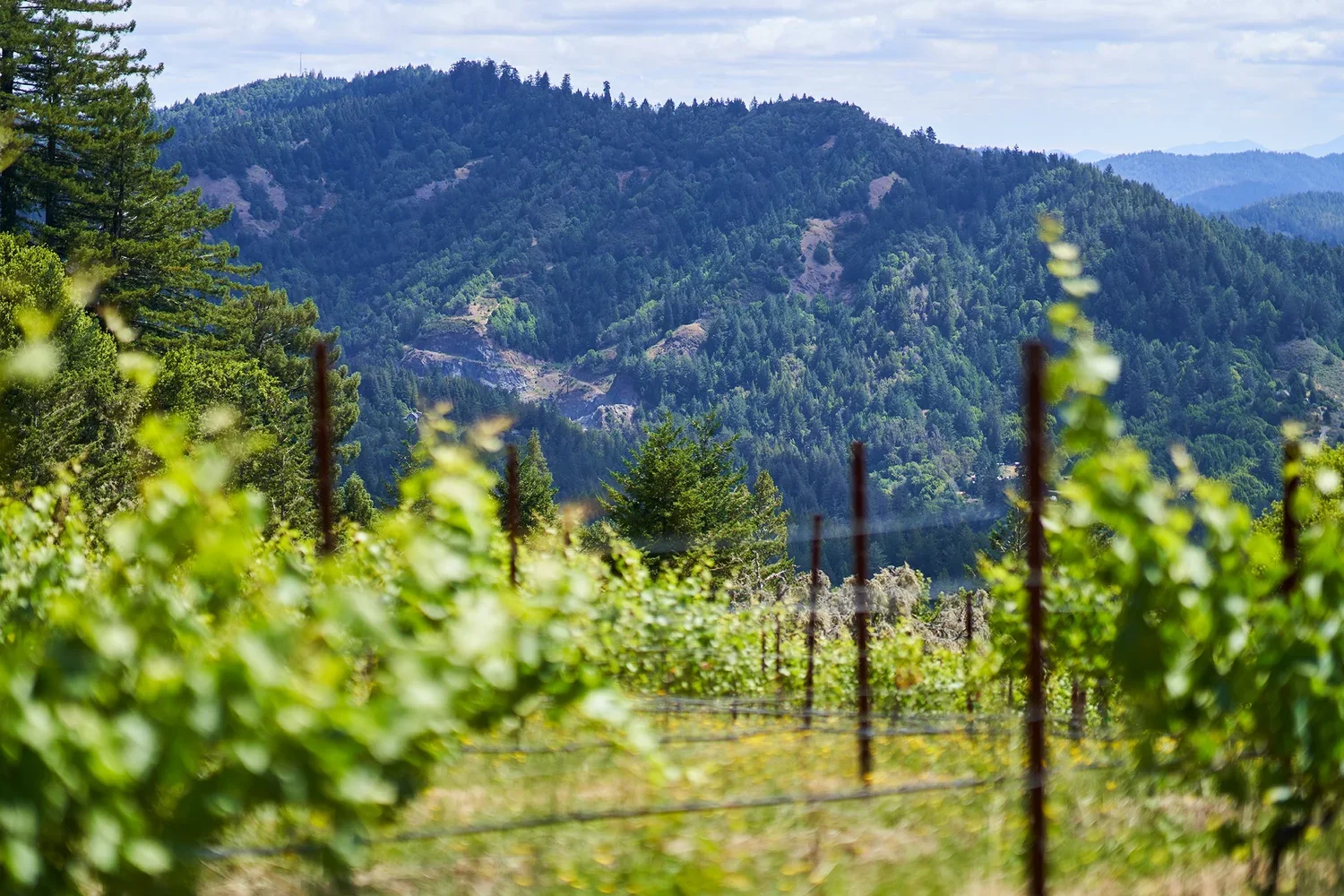
Russian River Valley, Sonoma Coast
How geology, climate, and time shaped two of California’s most distinctive wine landscapes
Some wine regions are simply good places to grow grapes. Others are shaped by such unique combinations of geology, climate, and geography that the wines produced there could not exist anywhere else. Two of those places are Napa Valley and Russian River Valley. At LOLA, the vineyards and wines draw inspiration from both.
Napa Valley
Volcanic Soils and Intense Wines
The landscape of Napa Valley began forming more than 100 million years ago when tectonic plates collided along the edge of North America. These movements pushed ancient seabeds upward while volcanic eruptions later covered parts of the valley with layers of lava and ash. Over time, rivers and erosion mixed volcanic rock with marine sediment, creating an extraordinary diversity of soils.
Today the valley stretches roughly thirty miles long and only a few miles wide, yet it contains one of the most complex soil compositions in the world of wine. Volcanic soils, alluvial fans, and marine deposits exist side by side, allowing different grape varieties to thrive within short distances of each other. These soils naturally limit vine vigor and produce smaller grapes with concentrated flavors, which is one reason Napa Valley wines are known for depth and intensity.
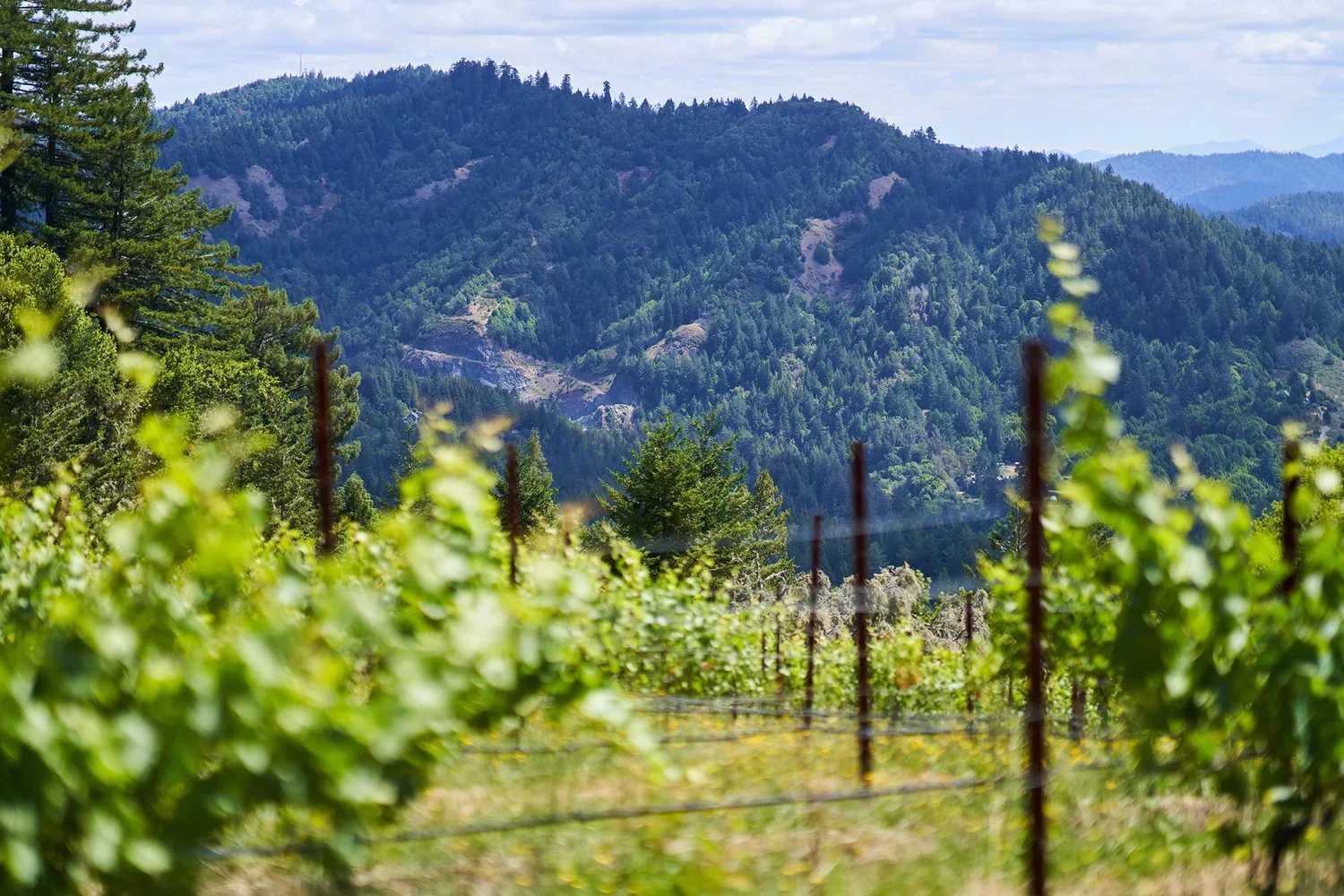
West of Napa, beyond the Mayacamas mountains, the Russian River Valley offers a completely different environment for grape growing. Here the nearby Pacific Ocean plays a defining role in shaping the climate. Each evening, cool fog moves inland through gaps in the coastal hills and blankets the vineyards.
This fog dramatically lowers nighttime temperatures and extends the growing season. Grapes ripen slowly and evenly, developing complex flavors while maintaining natural acidity. The region is also known for its distinctive Goldridge soil, a fine sandy loam formed over millions of years from ancient marine deposits and volcanic ash. Its excellent drainage forces vines to work harder, producing smaller clusters of concentrated fruit.
It was in this region that Seth Cripe planted his first vineyard in 2004, establishing four acres of Pinot Noir that helped launch the early vision behind LOLA wines.
Russian River Valley
Pacific Fog and Goldridge Soils
Why These Terroirs Matter
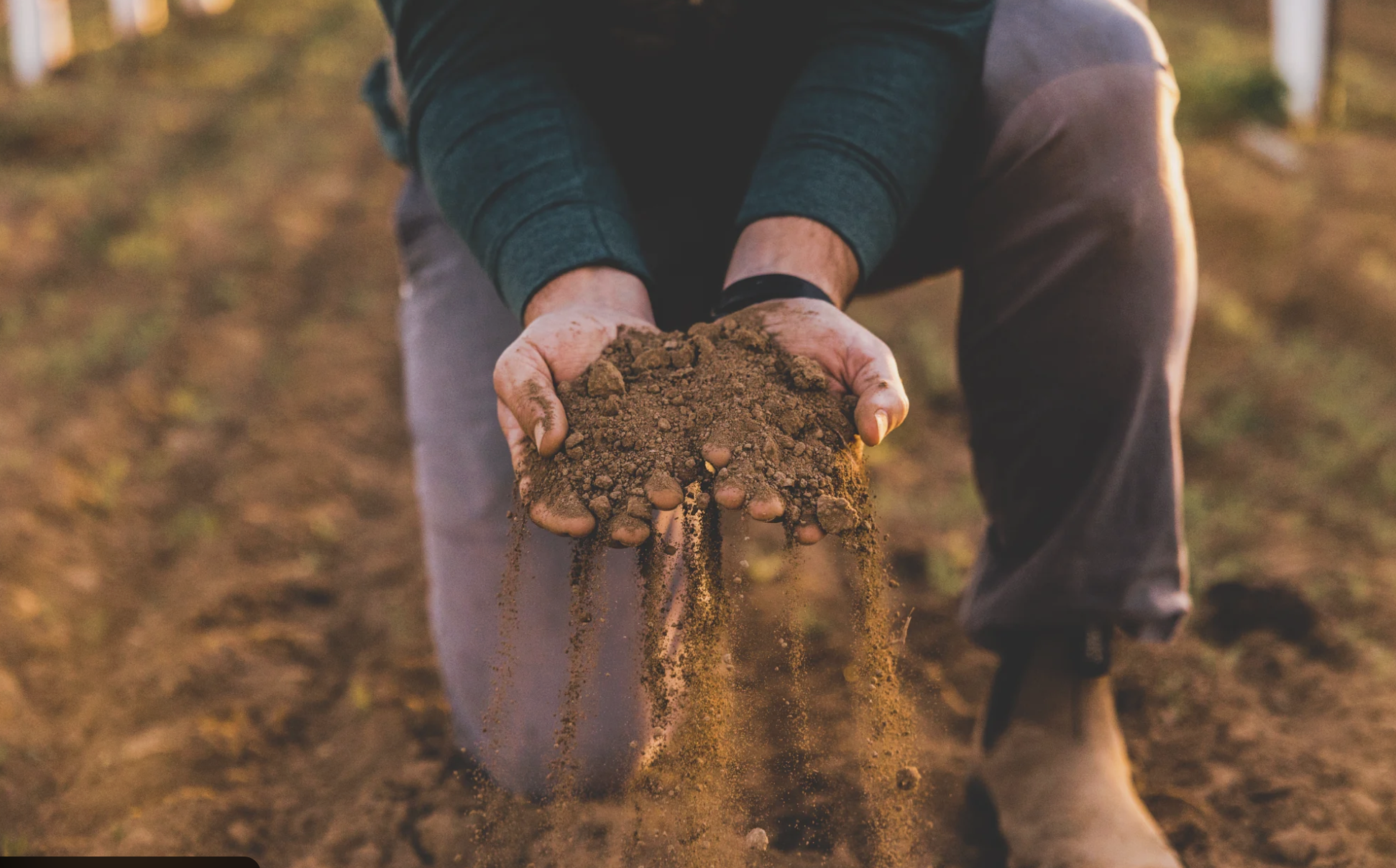
Great wine is ultimately shaped by place. While grapes can grow in many climates, certain regions produce fruit that reflects their landscape in unmistakable ways. In Russian River Valley, the cooling influence of Pacific fog slows ripening and creates wines known for elegance, freshness, and layered aromatics.
Napa Valley, however, is far more complex than the simple idea of volcanic soil often associated with it. While volcanic rock plays an important role, the valley actually contains a remarkable mosaic of soil types formed by millions of years of geological activity. Marine sediments from ancient seabeds, gravelly alluvial fans washed down from the mountains, volcanic ash and basalt, and clay rich valley floor deposits all coexist within a relatively small area. This diversity allows different grape varieties to thrive in different parts of the valley, creating an extraordinary range of wine styles within just thirty miles of vineyard land.
Together, these two regions represent very different expressions of California terroir. One shaped by Pacific fog and sandy soils that challenge the vine. The other defined by a complex geological history that created one of the most diverse vineyard landscapes in the world. LOLA draws from both landscapes, and every bottle carries a small piece of these remarkable places.