Organic Farming
Why It Matters for the Vineyard and the Wine

Healthy soil, fewer chemicals, and wines that reflect their origin
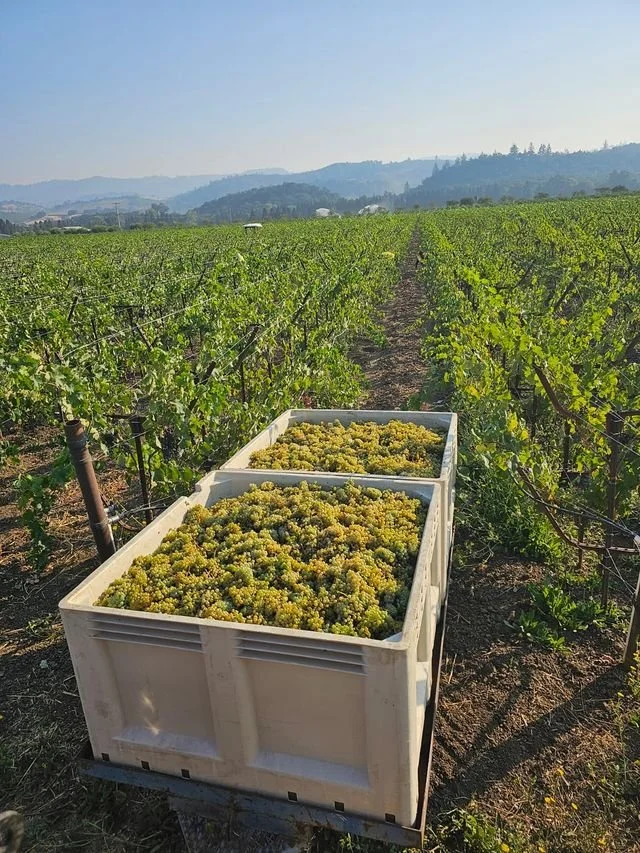
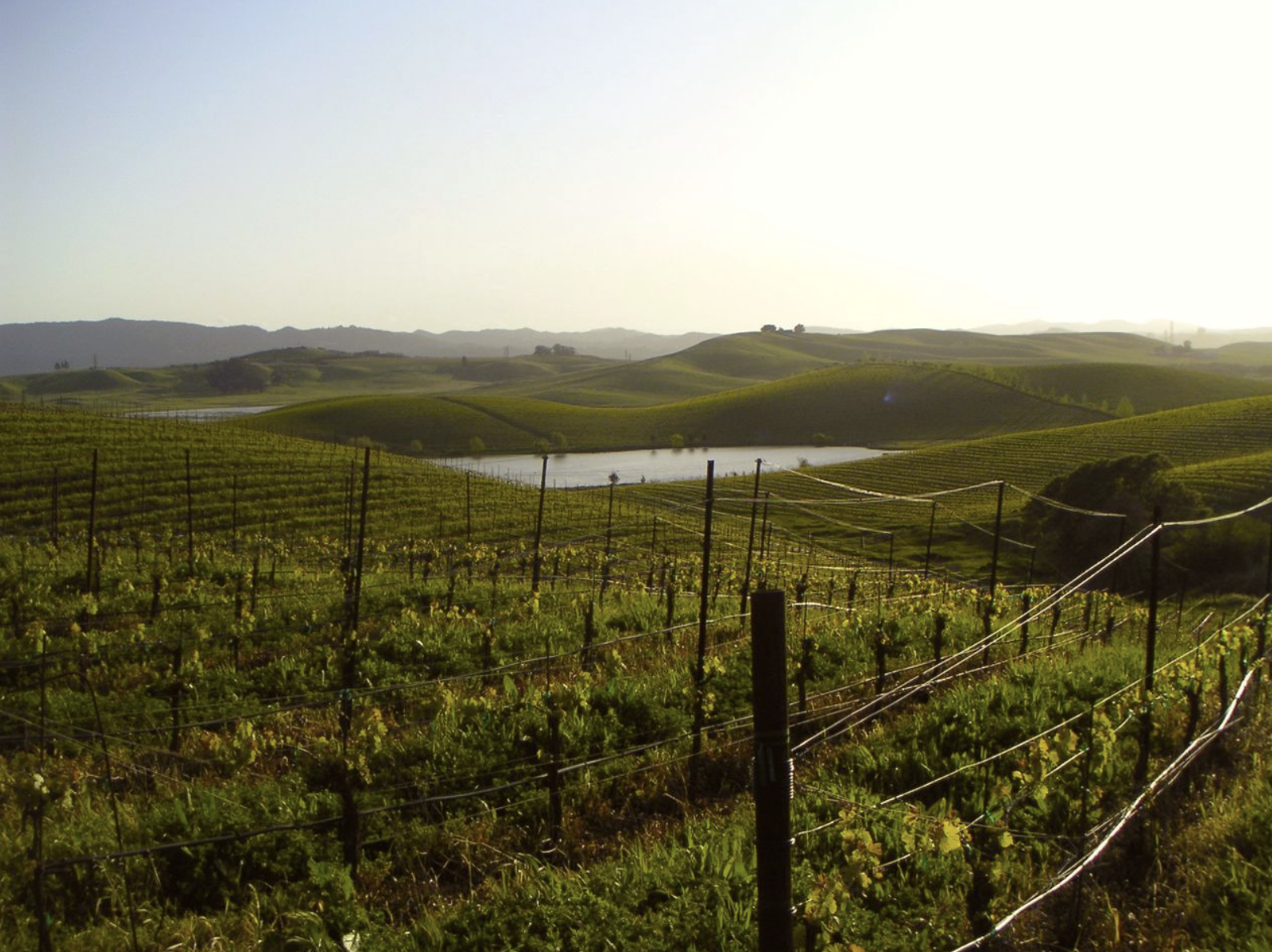
Organic farming at LOLA is not simply a certification. It is the foundation of how the vineyards are managed. By avoiding synthetic pesticides, herbicides, and fertilizers, organic farming focuses on building healthy soil and balanced vines. The result is a vineyard that functions as a living ecosystem and grapes that more clearly express where they come from.
Farming the Vineyard Without Synthetic Chemicals
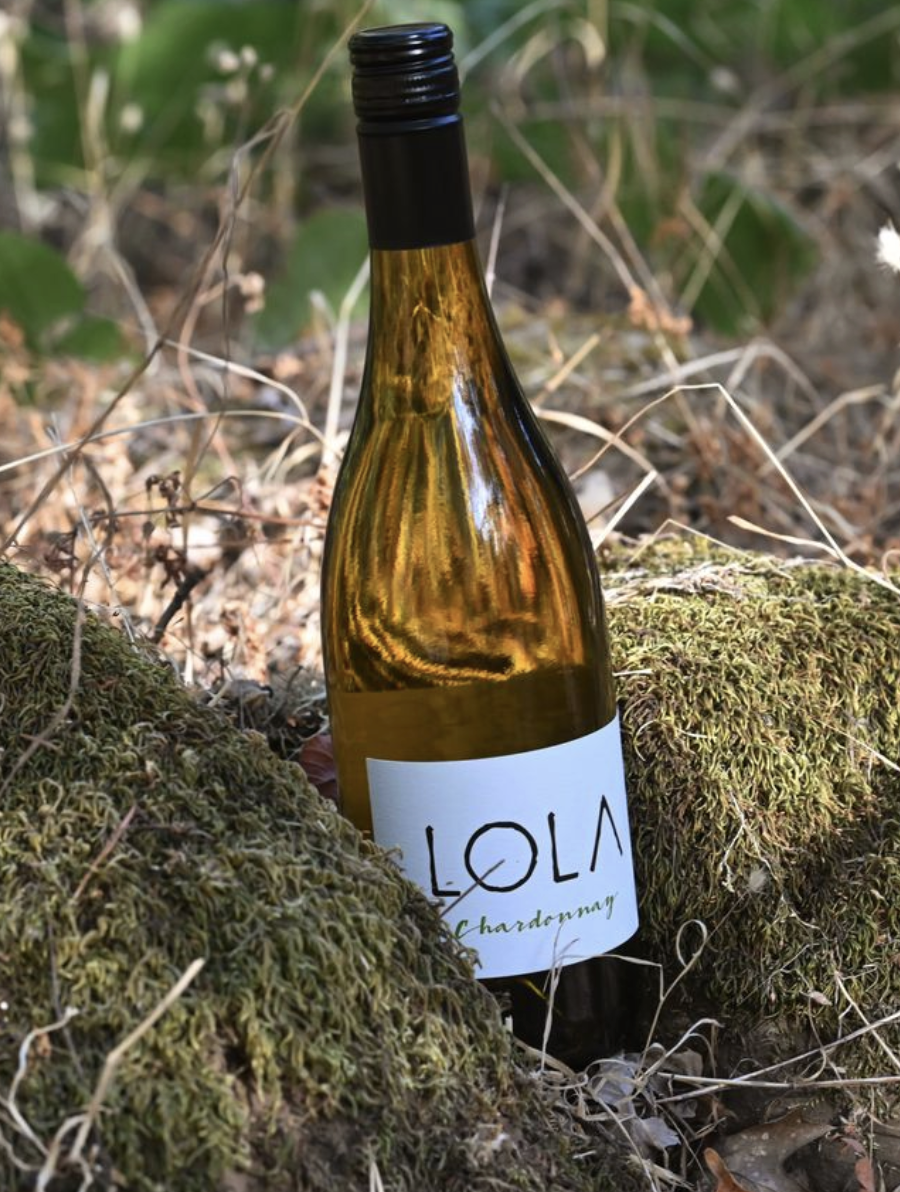
In conventional viticulture, synthetic herbicides, pesticides, and fertilizers are commonly used to control weeds, insects, and vine growth. While these inputs can simplify vineyard management, they can also disrupt the natural balance of soil life.
Organic farming removes these synthetic inputs entirely. Weeds are managed mechanically rather than chemically, pests are controlled through biodiversity and vineyard balance, and soil fertility is maintained with compost and natural amendments.
Healthy soil is alive with microorganisms, fungi, and bacteria that break down organic matter and make nutrients available to vine roots. Instead of bypassing this system with synthetic fertilizers, organic farming strengthens it, allowing vines to interact naturally with the soil and environment.
Organic Farming and Environmental Impact
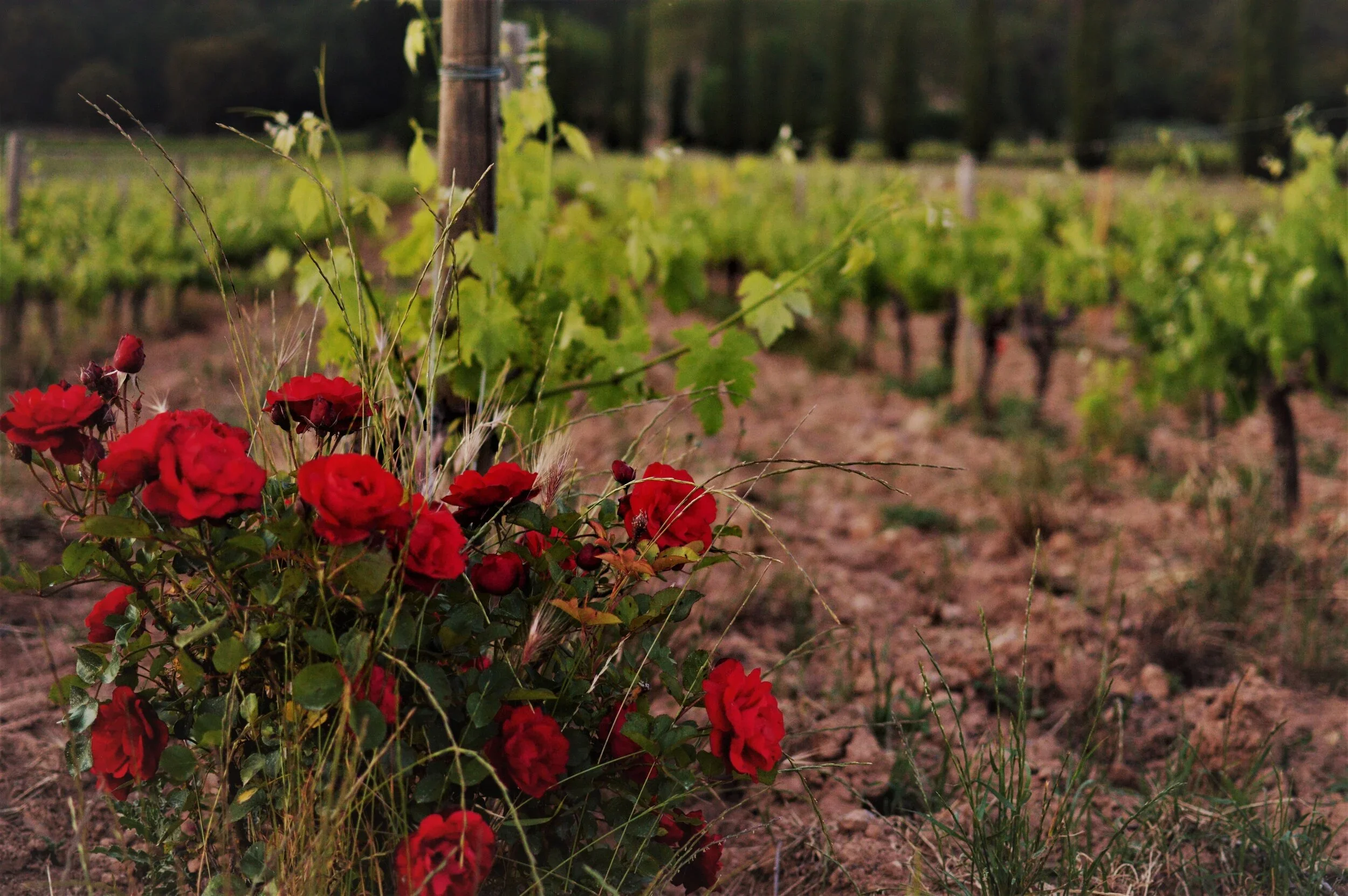
Research consistently shows that organic farming systems deliver measurable environmental benefits compared with conventional agriculture.
Key findings from major studies include:
Lower energy use:
Organic farming uses about 32% less energy than conventional farming because it avoids synthetic fertilizers and energy-intensive chemical inputs.Reduced pollution:
Organic agriculture shows roughly 47% lower nutrient pollution, meaning less runoff that can damage rivers, lakes, and ecosystems.Healthier soil:
Long-term studies show organically farmed soils develop:higher soil organic carbon
stronger microbial diversity
improved water retention
These factors are especially important in vineyard regions facing heat and drought.
A Growing Global Movement
Organic viticulture is also one of the fastest growing sectors in the wine world. Today, organic vineyards cover roughly half a million hectares worldwide, representing about 7–8% of global vineyard area. Countries such as Spain, France, and Italy account for the majority of these plantings, and many regions continue to convert vineyards each year.
At the same time, consumer demand for organic wine continues to rise. The global organic wine market is estimated to exceed $10 billion and is projected to grow steadily as more producers and consumers prioritize sustainability and transparency in farming.
This shift reflects a broader recognition that farming practices influence not only the environment but also the quality and character of the wines produced.
Organic Farming at LOLA
At LOLA, organic farming is the starting point for every vineyard decision. The winery holds certification from California Certified Organic Farmers for its classic wine lineup, verifying that those wines meet strict organic standards from vineyard to bottle.
Beyond certified wines, the rest of the vineyards in the LOLA portfolio are farmed using the same organic practices, even when formal certification is not carried. The philosophy remains consistent: avoid synthetic chemicals, build healthy soil, and allow the vineyard to develop its natural balance.
What Organic Farming Means in the Glass
Organic farming ultimately shapes the character of the wine itself. When vines grow in living soil with balanced nutrients and microbial life, they produce grapes with clearer flavors and natural structure.
The result is wine that feels more precise and expressive. Instead of masking the vineyard with heavy intervention, the farming allows the wine to reflect the place where the grapes were grown.
At LOLA, the work in the vineyard is what defines the wine in the glass. Organic farming is simply the most honest way to get there.