From Anna Maria Island to Napa Valley
The Unlikely Story of Seth Cripe and LOLA Wines
There is a version of the Napa Valley origin story that gets told often. The scion of a French wine family. The UC Davis graduate with the immaculate résumé. The investor who bought a hillside and hired the right consultant. These are fine stories. But they are not Seth Cripe's story.
Seth's story starts in the Gulf of Mexico — with salt air, fishing boats, and a teenager washing dishes at a restaurant on a small Florida barrier island, staring at the wine list and wondering what any of it meant.
A Fishing Village and a Spark
Anna Maria Island sits on the Gulf Coast of Florida, a narrow strip of sand and community just south of Tampa Bay. It is the kind of place where families fish for a living and everyone knows everyone. Seth Cripe grew up in Holmes Beach, one of the island's small communities, in a family tied to the nearby fishing village of Cortez — a historic enclave where mullet fishermen have worked the same waters for generations. His family operated a fish company there. The sea was everywhere.
Seth was not supposed to end up in a Napa Valley vineyard. Nothing in his upbringing pointed there. And yet, somewhere around age 13 or 14, while working as a dishwasher and busboy at a local restaurant, something happened. He started paying attention to the wine being served. He started reading — every book he could find about winemaking, viticulture, grape varieties, and the regions of the world where wine was made with intention and craft. Most teenagers on Anna Maria Island were focused on the beach. Seth was quietly becoming obsessed with fermentation.
That early fixation is worth pausing on, because it reveals something essential about the person and the winemaker he would become. There was no obvious reason for a kid from a Florida fishing town to fall in love with wine. It wasn't inherited. It wasn't fashionable. It was just a genuine, stubborn fascination — the kind that doesn't go away because it has nowhere logical to go.
The Decision That Changed Everything
The turning point came when Seth attended the Longboat Key Wine Festival in Florida — and met Clarke Swanson of Swanson Vineyards in Napa Valley. Something in that encounter crystallized what had been building for years. If he was serious about wine, there was only one place to go.
Around age 17, Seth made the kind of decision that most people his age couldn't have imagined. He dropped out of high school. He packed everything he owned into a 1988 Subaru. He had roughly $1,200 in cash. And he drove across the United States toward California, toward Napa Valley, toward the vineyards he had been reading about since he was a kid stacking plates in a restaurant on the Gulf Coast.
Pic of Seth as a kid
Pic of the subaru
He would later say, carefully, that he wouldn't necessarily recommend dropping out of high school. But he would also say it was the best thing he ever did
Learning the Craft: Swanson, Caymus, and the Making of a Winemaker
Seth arrived in Napa Valley in the summer of 1997. He had no connections, no degree, and no safety net. What he had was the meeting with Clarke Swanson — and the internship that followed at Swanson Vineyards in Rutherford, where he began working under winemaker Marco Cappelli.
Pic of you in australia
Then came Caymus Vineyards — eight harvests at one of Napa Valley's most celebrated estates, a winery known for producing some of California's most iconic Cabernet Sauvignon. Seth spent nearly a decade between Swanson and Caymus, supplemented by stints at other world-renowned wineries. By the time he was ready to make his own wines, he had accumulated something rarer than a diploma: genuine, hard-won expertise in the vineyards and cellars of Napa Valley's finest producers, earned from the bottom up.
Pic of you and Marco cappelli
Australia times
Pic of you and the wagner
The kid who drove across the country in an '88 Subaru had become, quietly and deliberately, one of Napa Valley's most experienced young winemakers.
Planting the First Seed: Russian River, 2004
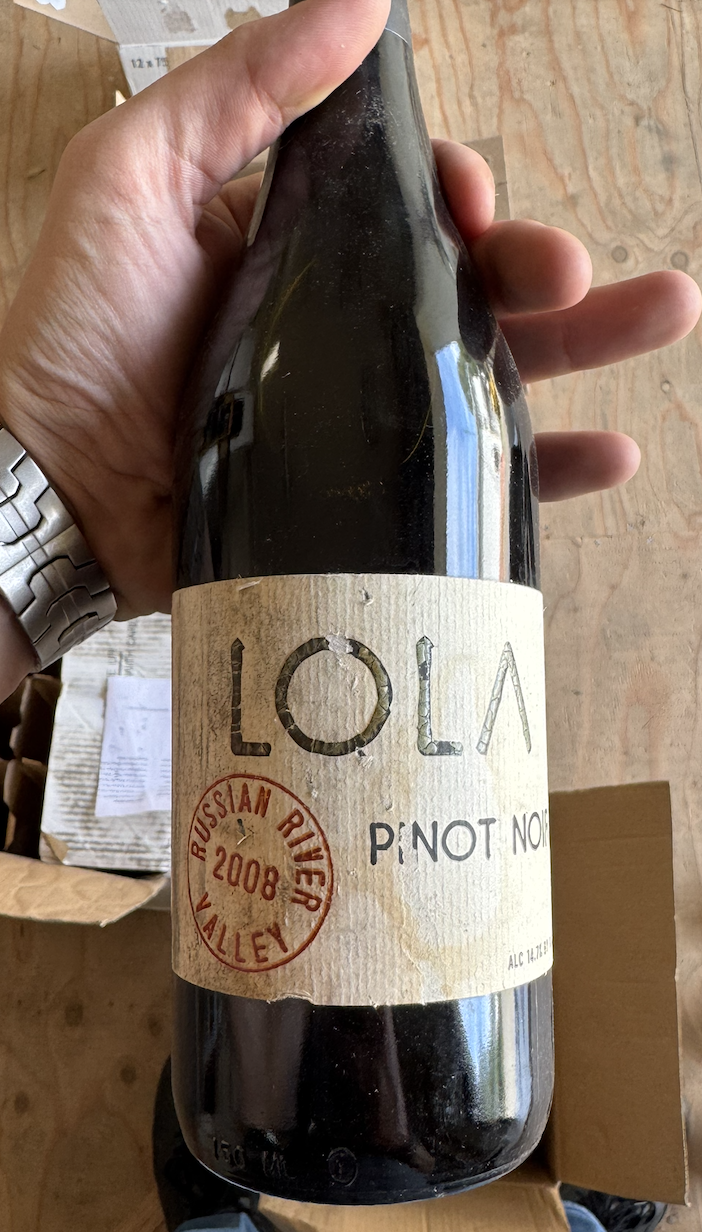
Before LOLA was officially born, Seth planted a vineyard in the Russian River Valley in 2004. From it, he produced 700 cases of Pinot Noir — a first commercial release that signaled both his ambitions and his instincts. Russian River Pinot Noir is a cooler-climate wine, bright and structured and expressive, with a lightness and freshness that stands in deliberate contrast to the rich, extracted style that had dominated Napa's image for decades. The choice of variety and region told you everything about the direction Seth intended to go.
In 2008, he formalized that direction under the name LOLA. The brand was simple in its statement and ambitious in its vision: high-quality, handcrafted wines from Sonoma first, made with old-world honesty and sold at prices that didn't require a second mortgage. Wines of purity and soul. Wines for people who loved what was in the glass, not the prestige of the label.
The Dog, the Name, and the Heart of It All
The story of how LOLA got its name is, in some ways, the most revealing thing about Seth Cripe.
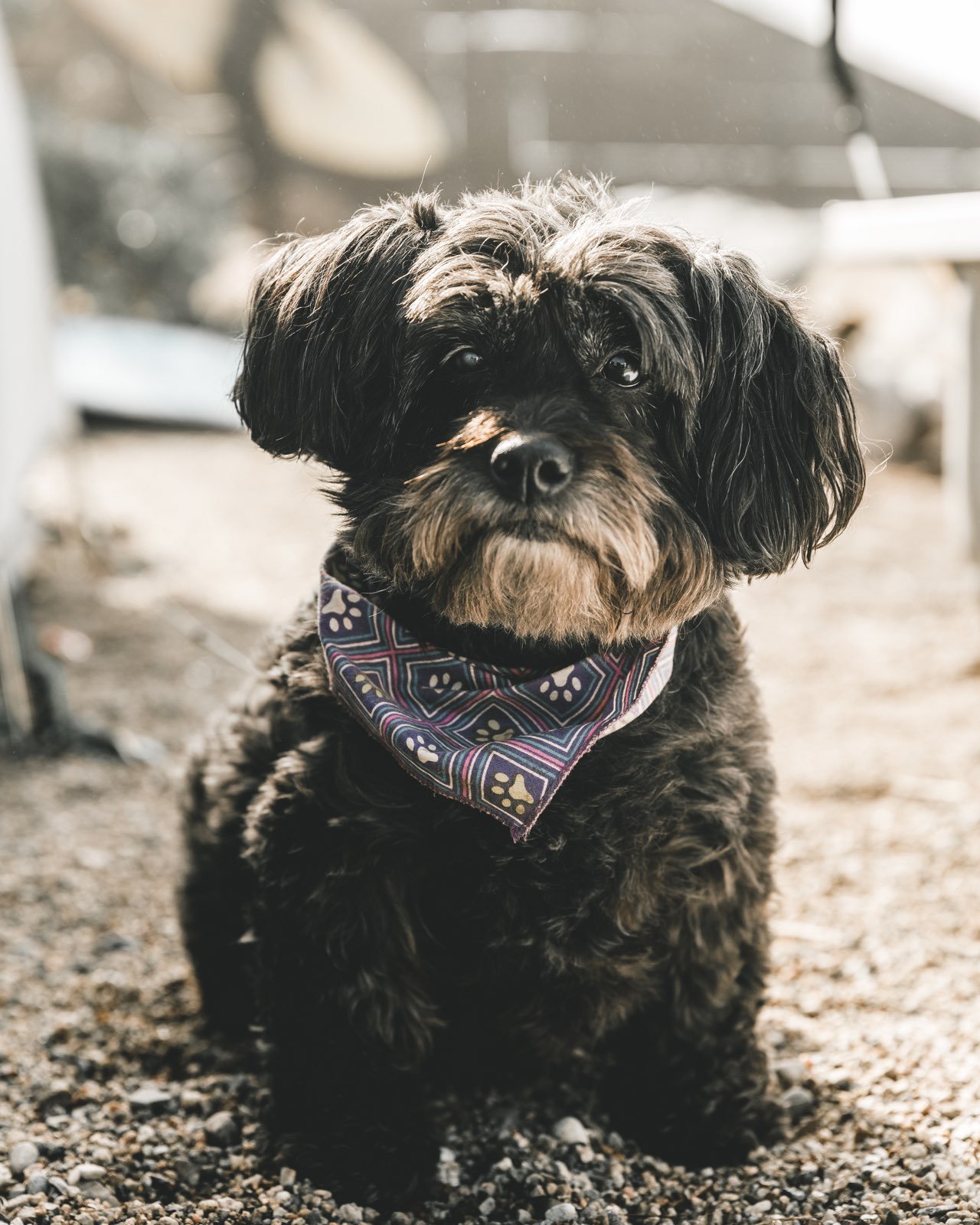
While hiking in Big Sur — that wild, dramatic stretch of California coastline — he came across a small, injured stray dog. He stopped. He picked her up. He named her Lola. She lived, eventually, to 21 years old.
When it came time to name his winery, Seth considered using his own name, the way so many winemakers do. Instead, he chose Lola — because it felt right. Because it was joyful. Because it carried none of the ego that attaches to putting your surname on a bottle, and all of the warmth and companionship that wine at its best is supposed to represent. Wine, after all, is not about the winemaker's ego. It is about the moment. The table. The people gathered around it.
LOLA — the dog and the spirit she embodied — was a better name for that vision than Seth Cripe could ever be.
The Dog, the Name, and the Heart of It All
There is one more thread in Seth's story that doesn't get told enough: the fact that he never left his roots behind.
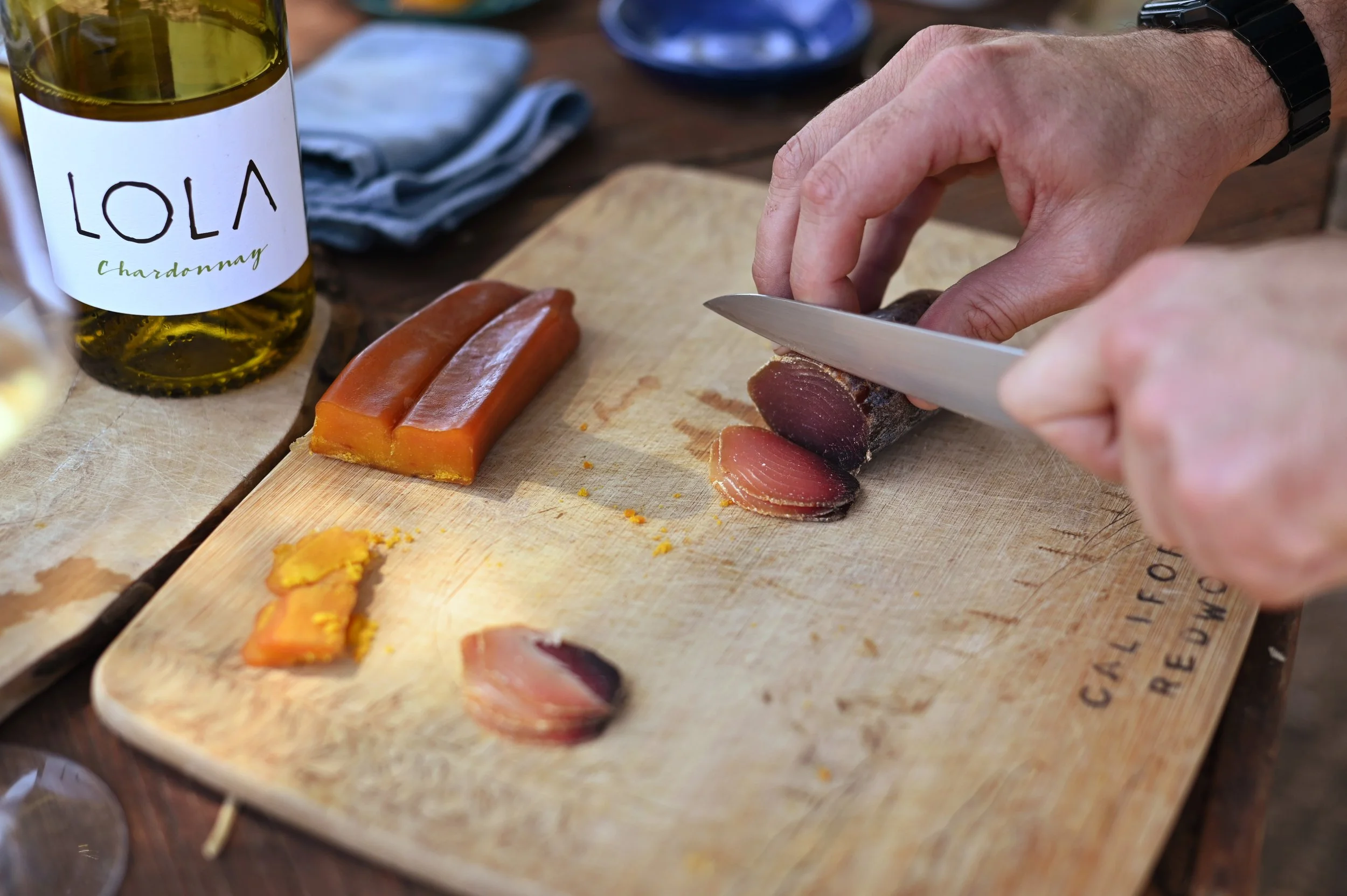
His family's connection to Cortez, Florida — that historic fishing village on the Gulf Coast — eventually became Cortez Conservas, the bottarga company Seth co-founded with his brother Mic. They source grey mullet roe from Gulf fishermen, salt-cure and dry it using ancient Mediterranean methods, and produce what is, by most accounts, some of the finest bottarga made anywhere in the United States. Seth is one of the only American producers in this rarefied category.
Arriving in Calistoga: The Journey Continues
Pic of you and Mic in Cortez
That bottarga now sits on the table at the LOLA House in Calistoga, served alongside the wines as a food pairing that is genuinely unlike anything else available in Napa Valley. A winemaker who grew up in a fishing family, making wine in Napa and bottarga from Florida mullet — it sounds like a contradiction. It is actually perfect coherence. Both are about honoring the source, the place, the hands involved, and the honest flavor of things made with care.
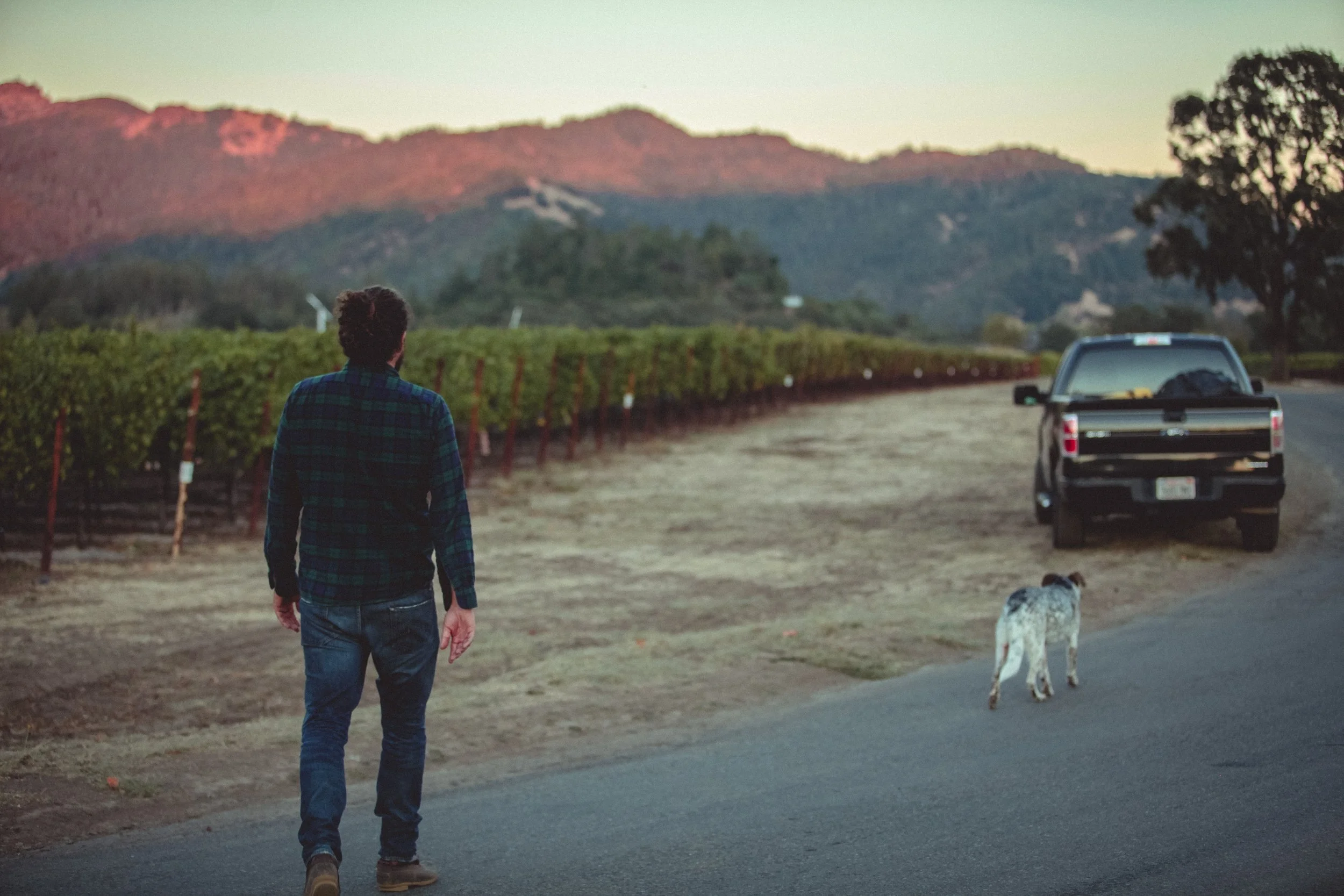
Today, LOLA is based at 916 Foothill Boulevard in Calistoga — a historic Victorian home built in 1892, tucked at the northern end of Napa Valley where the pace slows and the energy feels genuinely different from the polished corridor of wineries farther south. The tasting room is intimate and unhurried. The art on the walls is original. The people pouring your wine are family. Seth himself still shows up regularly to talk grapes and vintages with whoever happens to be sitting at the table.
The lineup has grown from those first Russian River Pinots to more than 20 grape varieties — including some of the rarest and most endangered varietals grown anywhere in California. Malvasia Bianca from 45-year-old vines in St. Helena. Charbono from head-trained vines planted in the 1940s. Dry Muscat straw made in clay jars. Fiano. Chenin Blanc. Petit Verdot. Counoise. Each one a small act of curiosity and preservation, made in the same spirit that drove a 17-year-old kid to drive across the country for something he couldn't even fully name yet.
The New York Times has written about LOLA. So have Vinous Media, the Robert Parker Wine Advocate, and the San Francisco Chronicle. They have all said, in different ways, the same essential thing: that these wines are alive. That they taste like the place they came from. That they are, in a Napa Valley that can sometimes feel designed more for spectacle than for drinking, genuinely, refreshingly real.
That is Seth Cripe's story. That is the LOLA journey. And from everything we know about the man who built this, it is very far from finished.