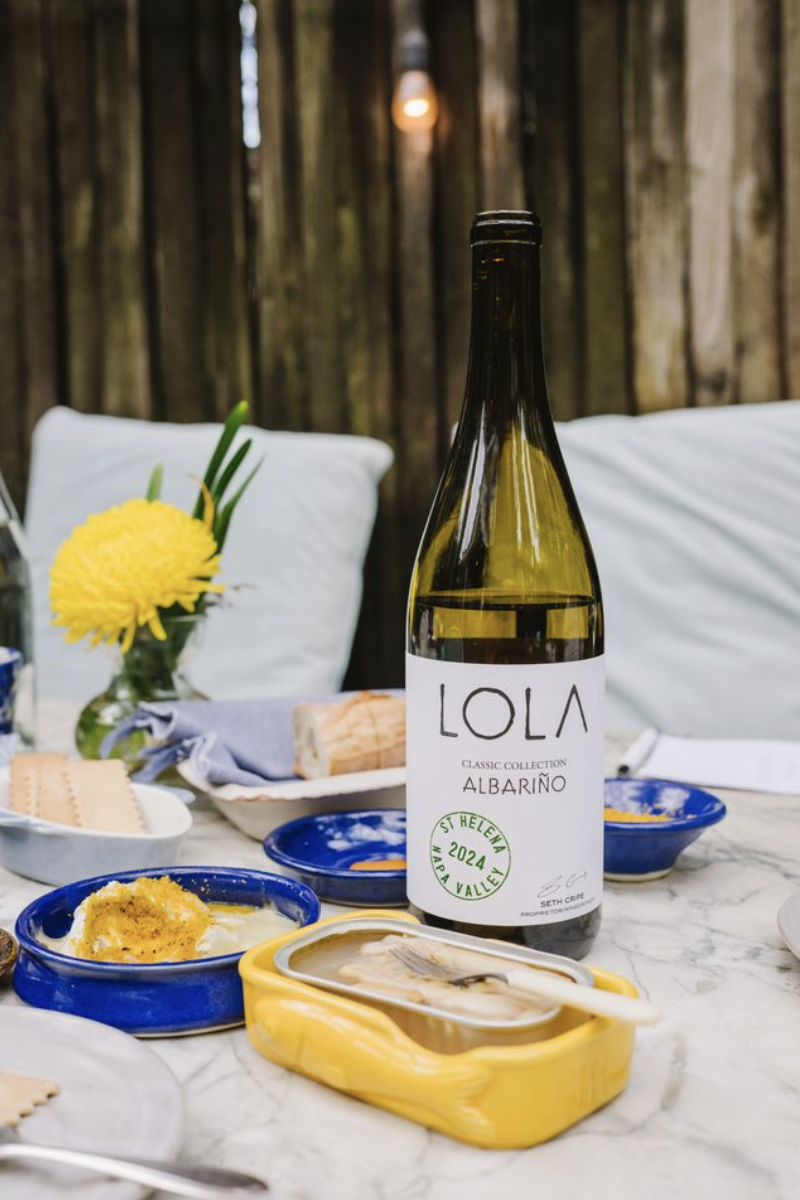
What is Albariño?
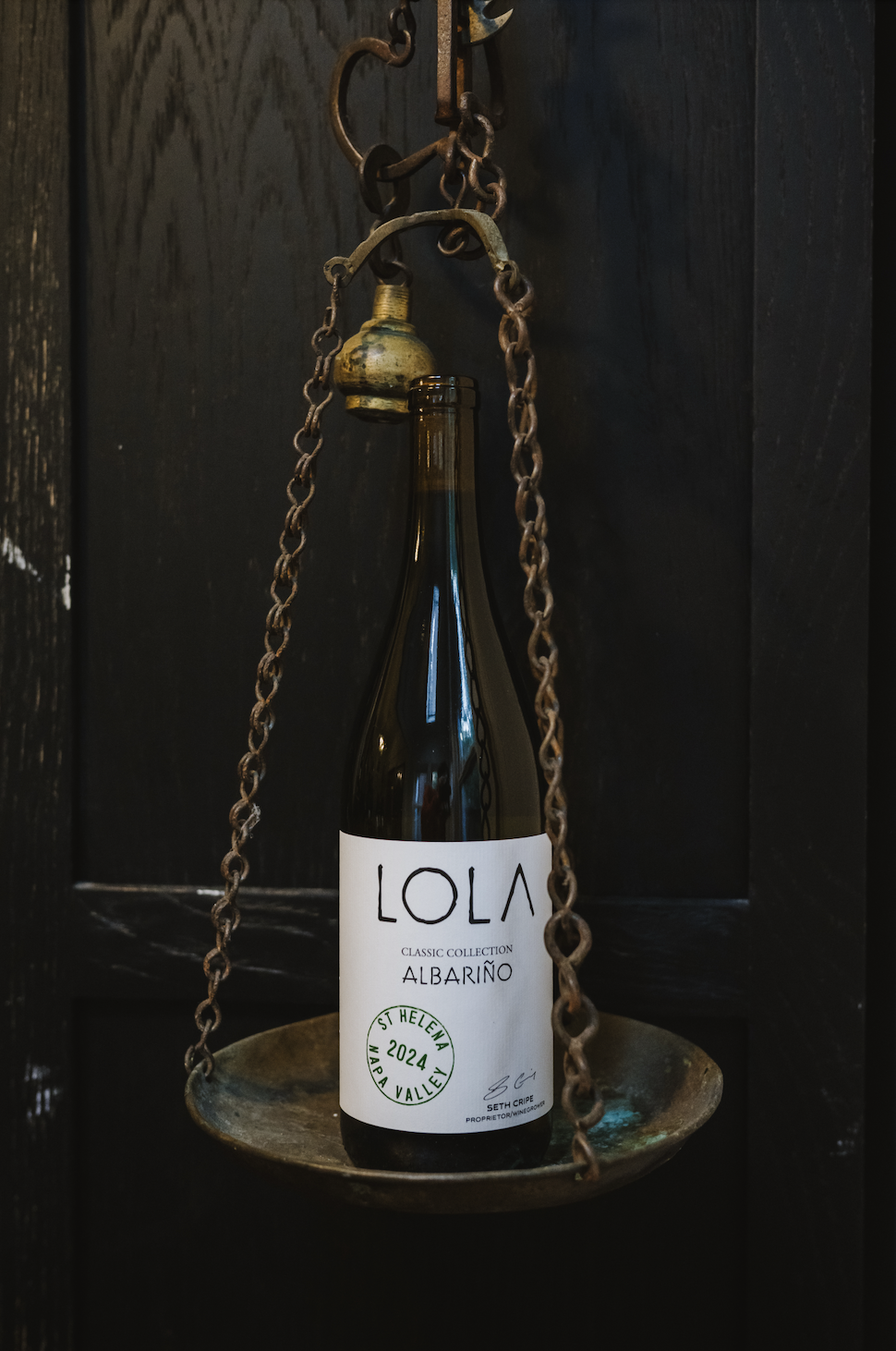
A Grape That Goes Wherever It Belongs
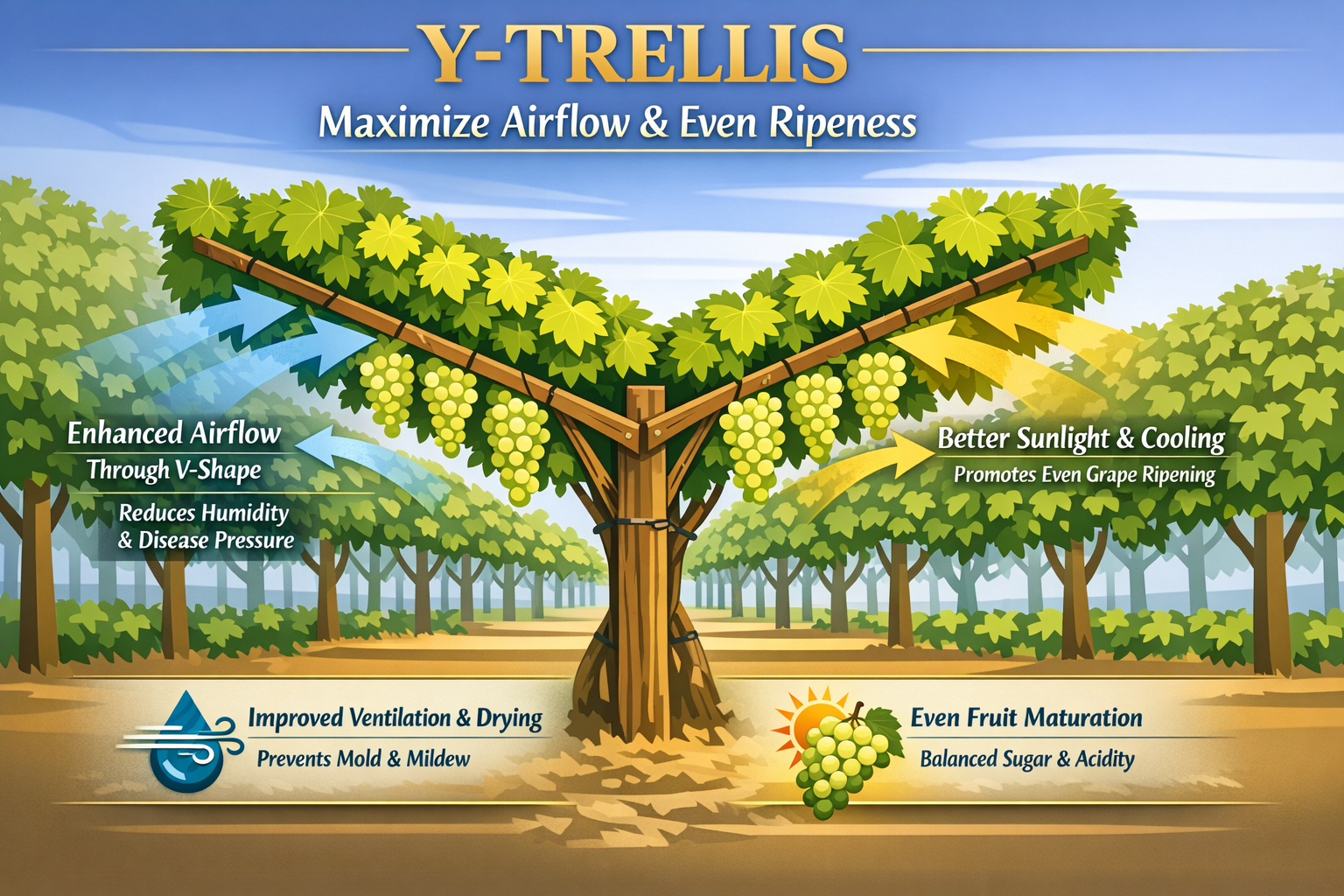
On Zinfandel Lane, just north of Rutherford, in the heart of Cabernet country — one of the most storied corridors of red wine production in all of California. This is not where you expect to find six acres of a Spanish white grape, organically farmed, trained on a Y-trellis for maximum airflow, producing small concentrated clusters of something that has no business being this compelling this far from the Atlantic coast of Galicia.
And yet here it is. And it is very, very good.
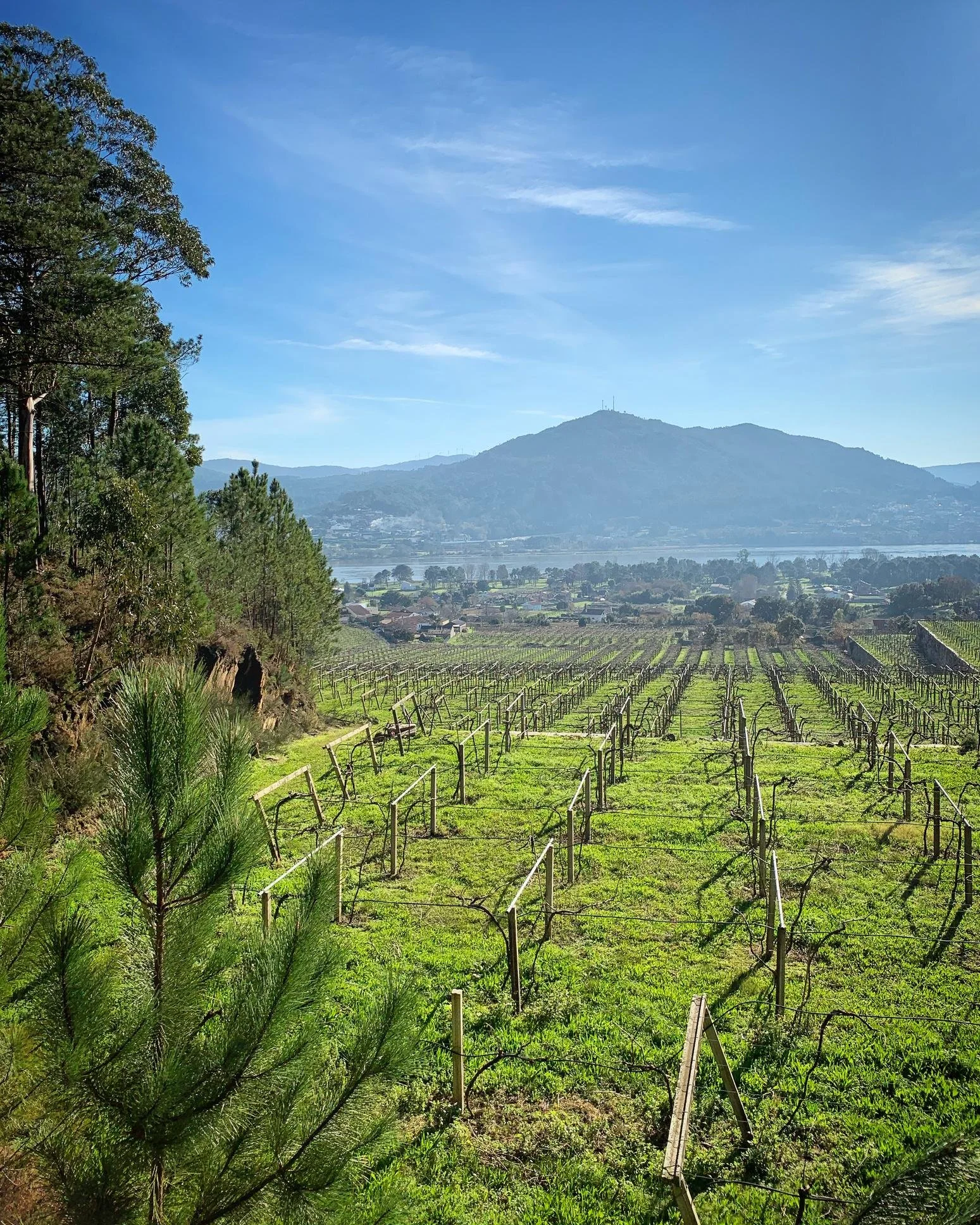
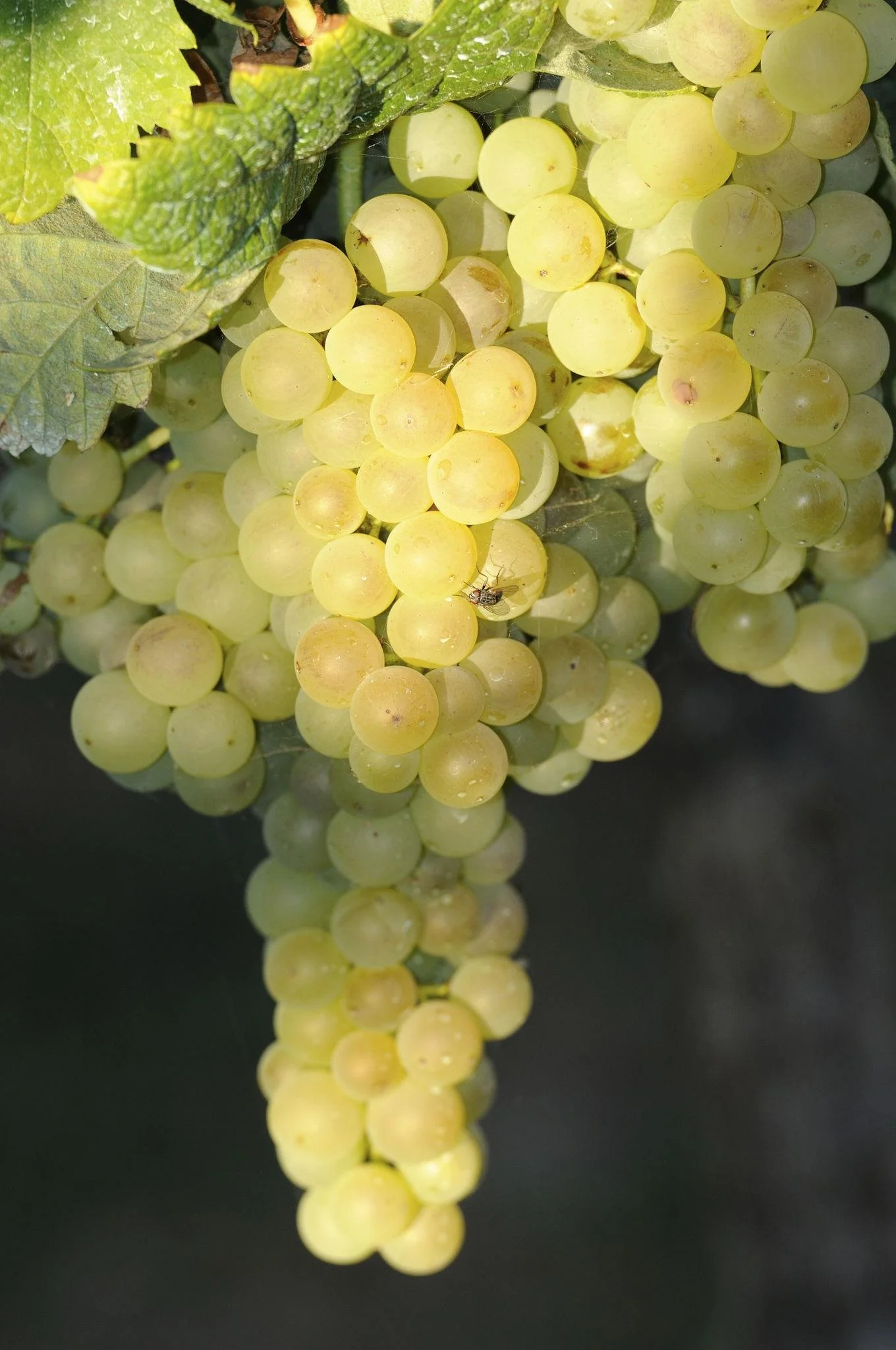
Albariño's dramatic aromatic intensity comes from higher levels of terpenes and thiols — the same compound families that give it aromas of lemon, lime, grapefruit, honeysuckle, nectarine, and occasionally beeswax and Thai basil. Its high natural acidity and saline minerality are direct expressions of Rías Baixas' granite soils and Atlantic influence — qualities so specific to their origin that for a long time, many assumed they simply couldn't be replicated anywhere else.
They were wrong.
Albariño has been grown on the banks of Galicia's rivers for over a thousand years, cultivated originally by Roman conquerors who brought organized viticulture to the verdant slopes of ancient northwest Spain. Its home — the Rías Baixas DO, a region of fjords and Atlantic storms and granite soils in the far northwest corner of the Iberian Peninsula — looks nothing like the rest of Spain. Green and rainy, windswept and cool, it is a place where the food and wine of the land are profoundly interconnected: lively, bright white wines alongside an deep love of seafood.
The Vines that LOLA Farms
Albariño doesn't need coddling — it needs warmth to ripen, free-draining soil to stress the vine, and enough of a nightly temperature drop to lock in acidity and aromatics. Rutherford provides all three. It is not Rías Baixas. It doesn't try to be. It is Rutherford — and Rutherford has its own things to say about this grape.
LOLA planted six acres on Zinfandel Lane in 2019 — CCOF certified organic, trained on a Y-trellis for maximum airflow and even ripeness across every cluster. Whole-cluster pressed, native fermentation in old neutral French oak, lees-stirred for six months, unfined and unfiltered.
Dry, fresh, and crisp in the glass — pineapple, citrus, lemongrass, green apple — with a subtle creaminess that balances the racy acidity without softening it. The kind of white wine you find yourself finishing before you intended to.
What it taste like?
Dry, fresh, and crisp in the glass — pineapple, citrus, lemongrass, green apple — with a subtle creaminess that balances the racy acidity without softening it. The kind of white wine you find yourself finishing before you intended to.
Why we make it?
There is a broader argument embedded in LOLA's Albariño that goes beyond the wine itself. It is the same argument the entire LOLA white wine portfolio makes — that Napa Valley's identity is not exhausted by Chardonnay and Cabernet, that the soils and climate of this particular place have things to say about grapes that have never been given the chance to speak here.
Albariño on Zinfandel Lane is a provocation in the best sense. Not aggressive, not self-conscious — just quietly insistent that the right grape in the right hands in the right soil will tell you something true, regardless of what the address says it should be producing.
Six acres. Organic. Old neutral oak. Native fermentation. Rutherford alluvial soils. No rules broken, just assumptions — and assumptions, in wine, are the first thing worth leaving behind.