What is Melon?
A Loire Valley Classic in Napa Valley
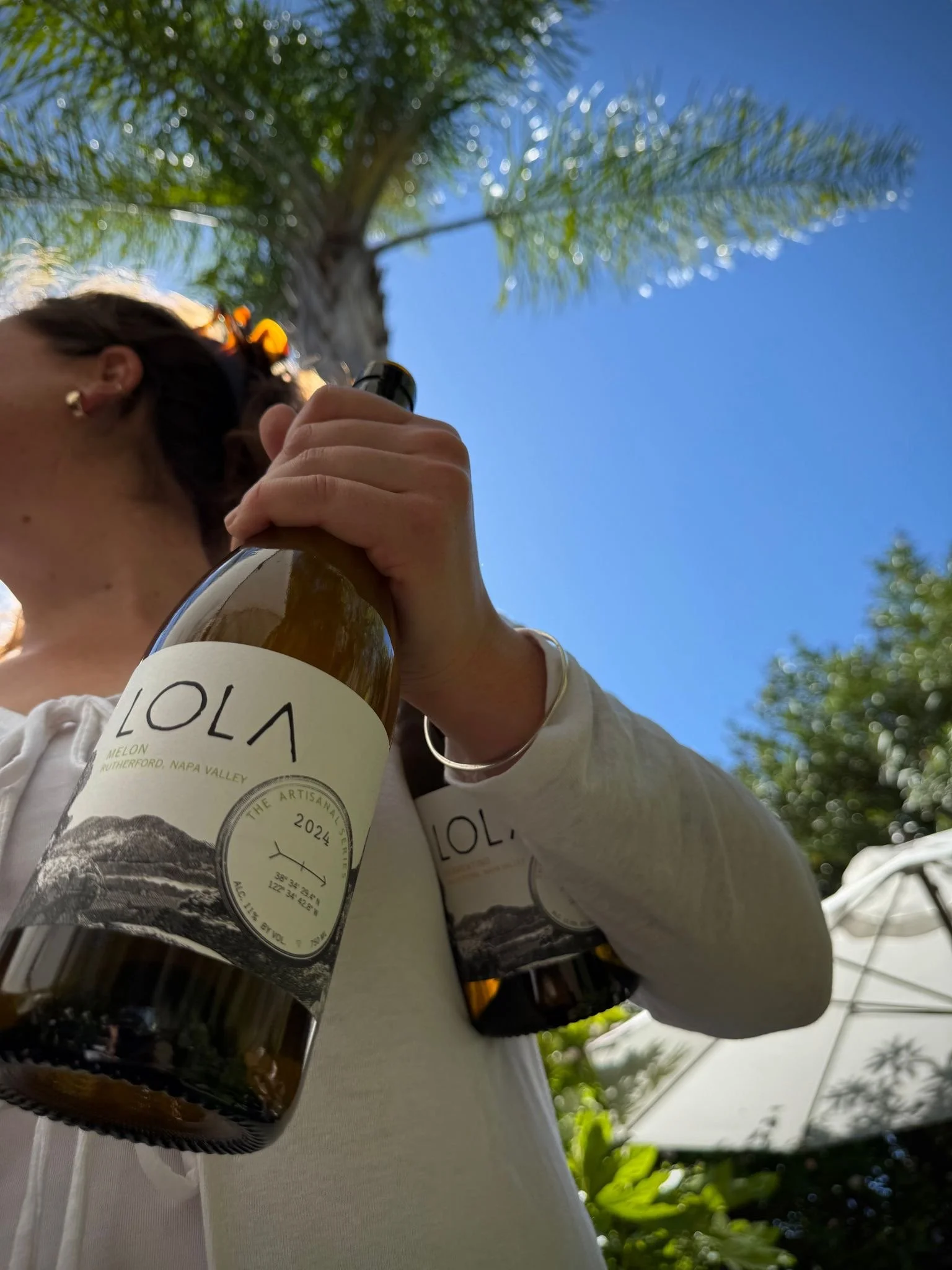
Some grapes are famous everywhere. Others remain quietly beloved by those who know them. Melon de Bourgogne belongs to the second group. Best known as the grape behind the wines of Muscadet, it is prized for its crisp structure, subtle aromatics, and remarkable ability to reflect the place where it is grown.
Originally from Burgundy, Perfected in the Loire Valley
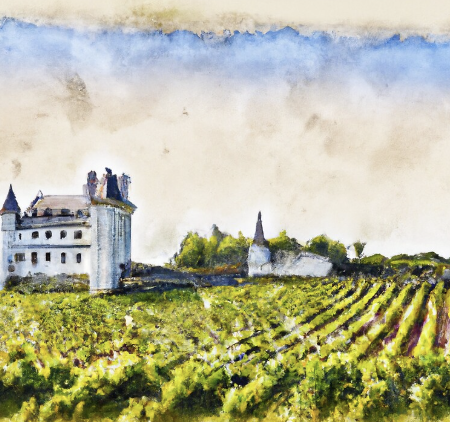
Melon de Bourgogne originated in the vineyards of Burgundy but eventually found its true home in the western Loire Valley near the Atlantic coast. After the devastating winter freeze of 1709, growers around Nantes replanted much of the region with Melon because of its ability to ripen reliably in the cool maritime climate. Over time it became the defining grape of Muscadet wines, known for their crisp acidity, subtle minerality, and natural affinity with seafood.
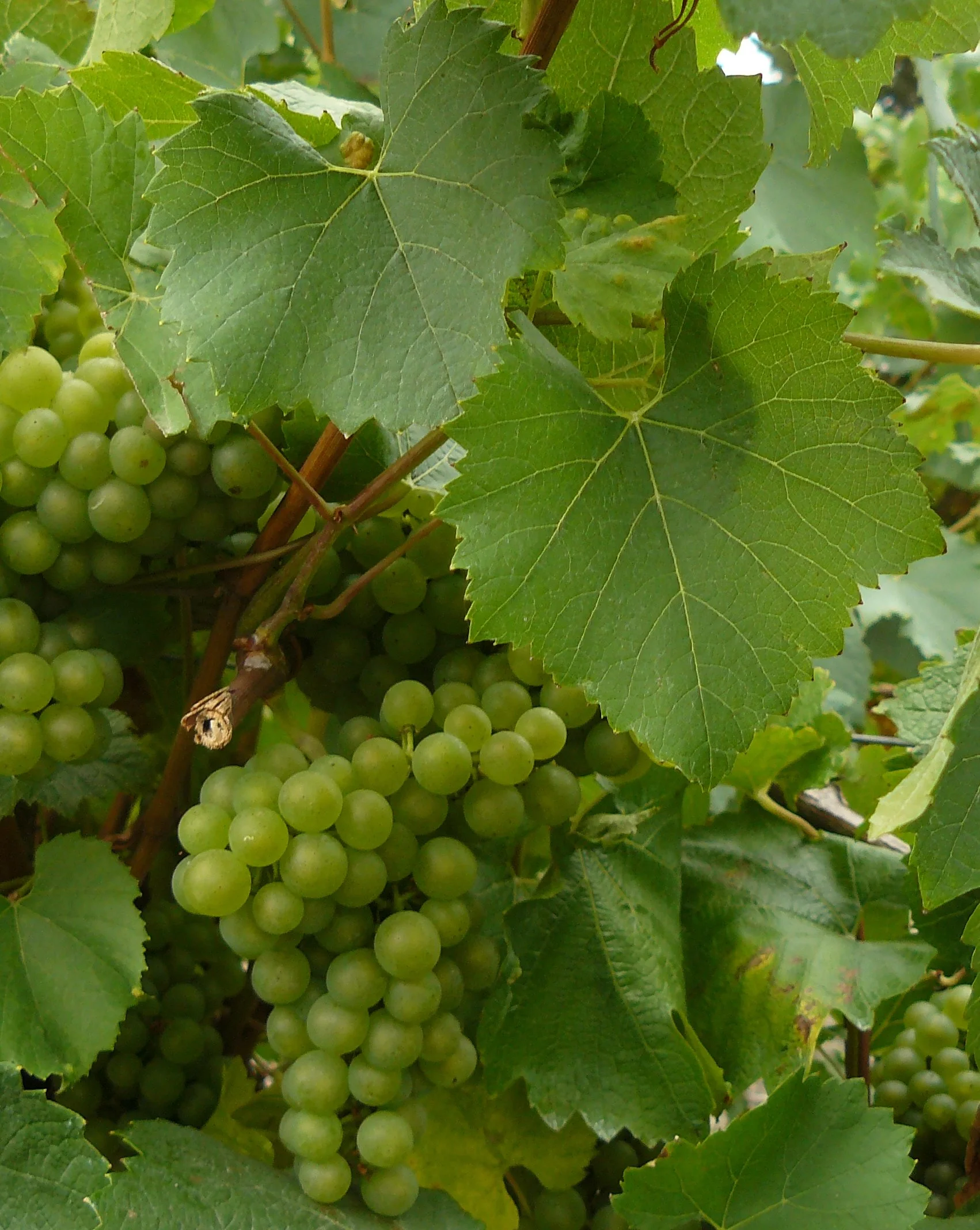
Melon arrived in the United States much later and with an unusual identity story. The grape was imported to California in the 1930s for Beaulieu Vineyard, but when it was propagated through vineyard material programs it was mistakenly cataloged as Pinot Blanc. For decades, several vineyards and wines labeled as Pinot Blanc were actually Melon de Bourgogne. The error was finally corrected in the 1980s when researchers identified the grape properly, allowing growers and winemakers to rediscover its unique character as a crisp, mineral driven white variety.
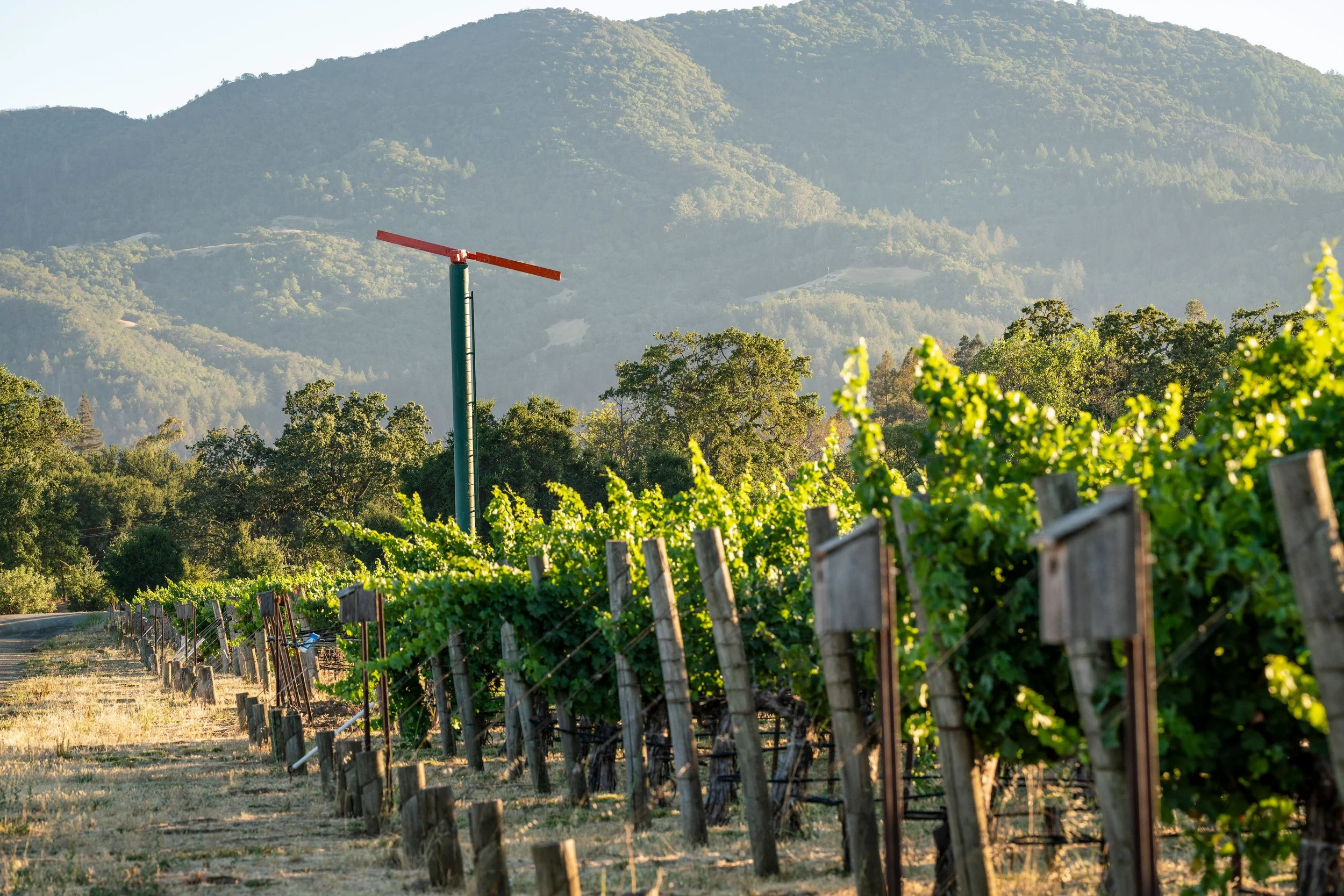
The Vines at LOLA Farms
LOLA’s Melon planting is exceptionally small, just two vineyard rows totaling about 0.2 acres. The vines grow in rocky alluvial soil in Rutherford within Napa Valley. The vineyard is shared with Vermentino and is farmed with careful attention to soil health and vine balance.
The site is certified organic by California Certified Organic Farmers and managed using regenerative practices. The rocky soils drain quickly, encouraging the vines to produce small, concentrated clusters that express the vineyard.
What does Melon taste like?
In the winery, the grapes are whole cluster pressed and fermented naturally with native yeasts in neutral French oak barrels. The wine develops slowly during fermentation, preserving freshness while building subtle texture.
The finished wine is vibrant and high in acidity, showing bright notes of Asian pear, green apple, and key lime. Gentle white floral aromas lift the nose, while the finish carries a clean Meyer lemon zest character. The result is a wine that feels pure, energetic, and quietly complex.
Why We Make it?
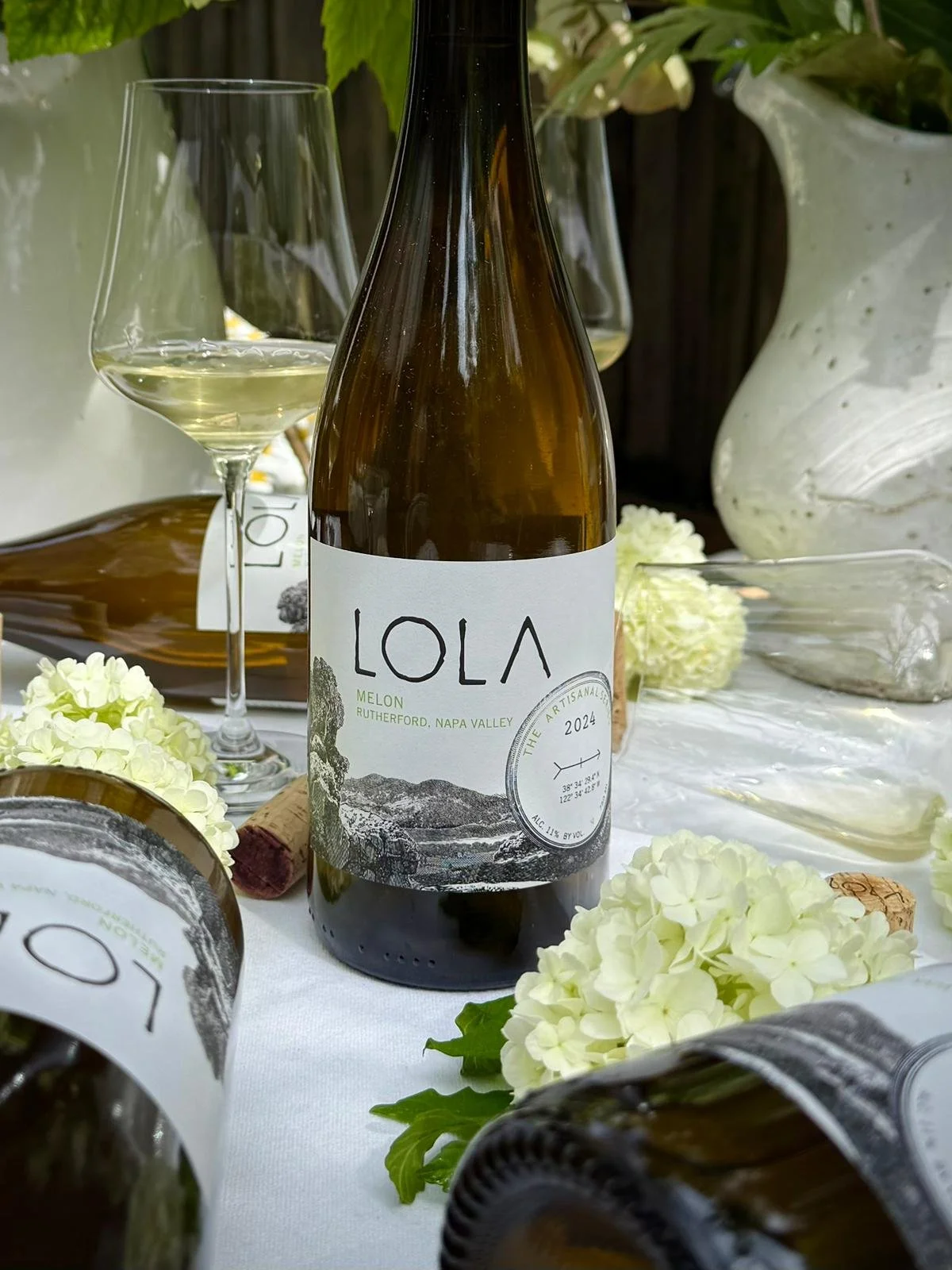
Melon (de Bourgogne) is traditionally known as one of the great seafood wines of the world. Its crisp acidity, mineral structure, and restrained aromatics allow it to complement delicate ocean flavors without overwhelming them.
At LOLA, planting Melon was an opportunity to explore how a classic Loire Valley grape might express itself in Napa Valley soils. The tiny vineyard reflects the winery’s curiosity and commitment to unusual varieties that highlight freshness, balance, and place.
The result is a wine that connects two wine traditions: the maritime elegance of Muscadet and the bright fruit and energy of Napa Valley terroir.