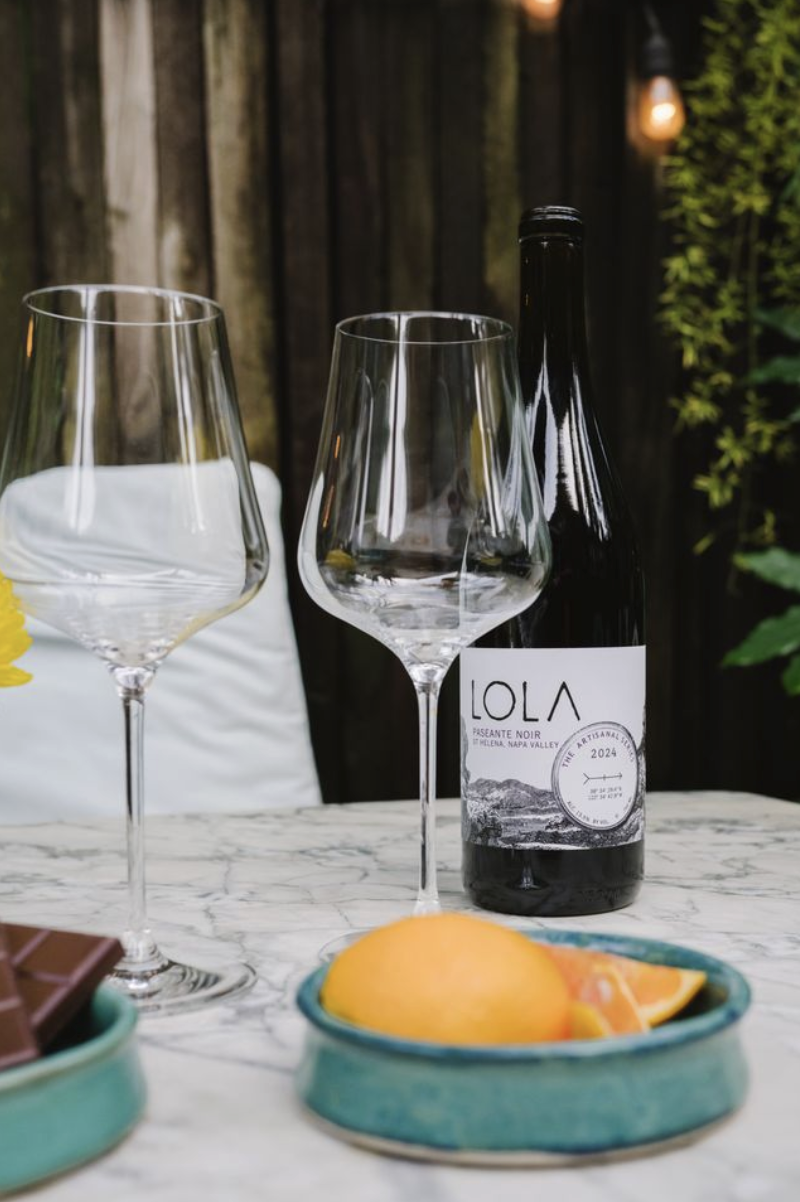
What is Paseante Noir?
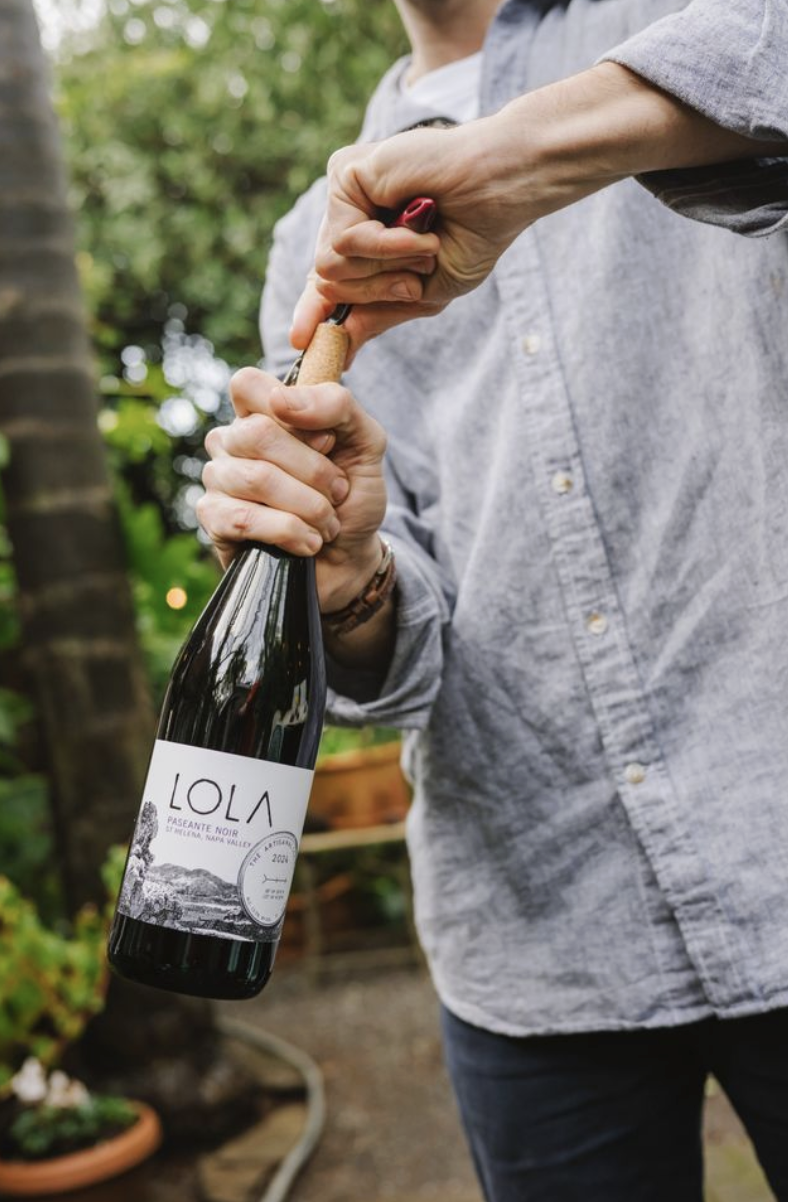
The New Grape That Could Change California Wine
There is a small and growing category of wines produced from grapes that didn't exist twenty years ago, grown by people willing to bet on what California wine might look like in fifty. LOLA's Paseante Noir belongs to that category — and it is, right now, one of the most quietly exciting bottles coming out of Napa Valley.
It also has one of the best origin stories in the portfolio.
What Paseante Noir Actually Is
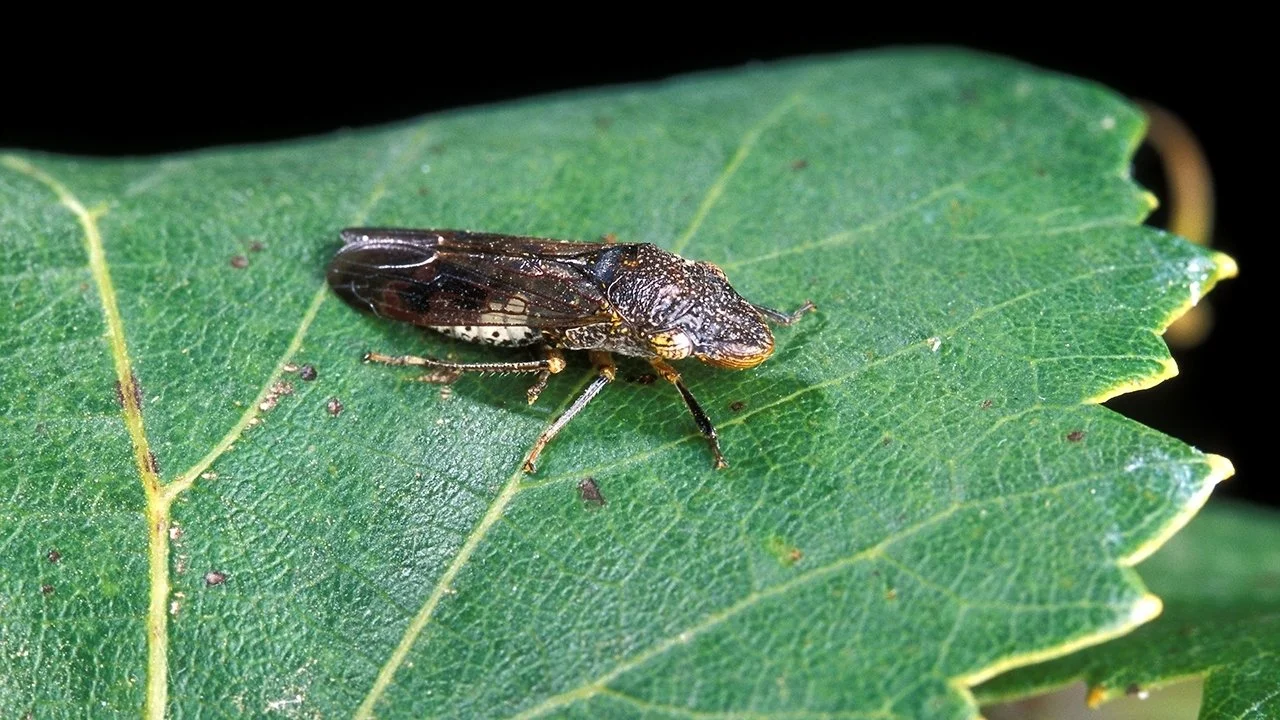
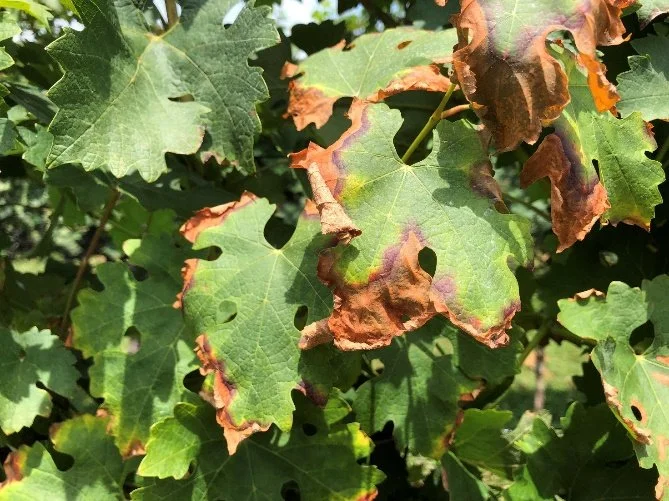
What is the future of California wine? For a growing number of researchers, growers, and winemakers, the answer increasingly includes Pierce's disease-resistant grape varieties — and Paseante Noir is at the center of that conversation. Bred by Dr. Andrew Walker at UC Davis and officially released in 2019, Paseante Noir is one of five new varieties developed specifically to resist Pierce's disease, the bacterial vine killer spreading through California and across America's warmer wine regions as climate change expands the sharpshooter insects that carry it. The genetics are precise: 50% Zinfandel, 25% Petite Sirah, 12.5% Cabernet Sauvignon, 6.25% Cabernet Sauvignon × Airén crossing, and 6.25% other vinifera ancestry — with the remaining 3% split equally between Vitis arizonica and Vitis rupestris, two disease-resistant American vine species.
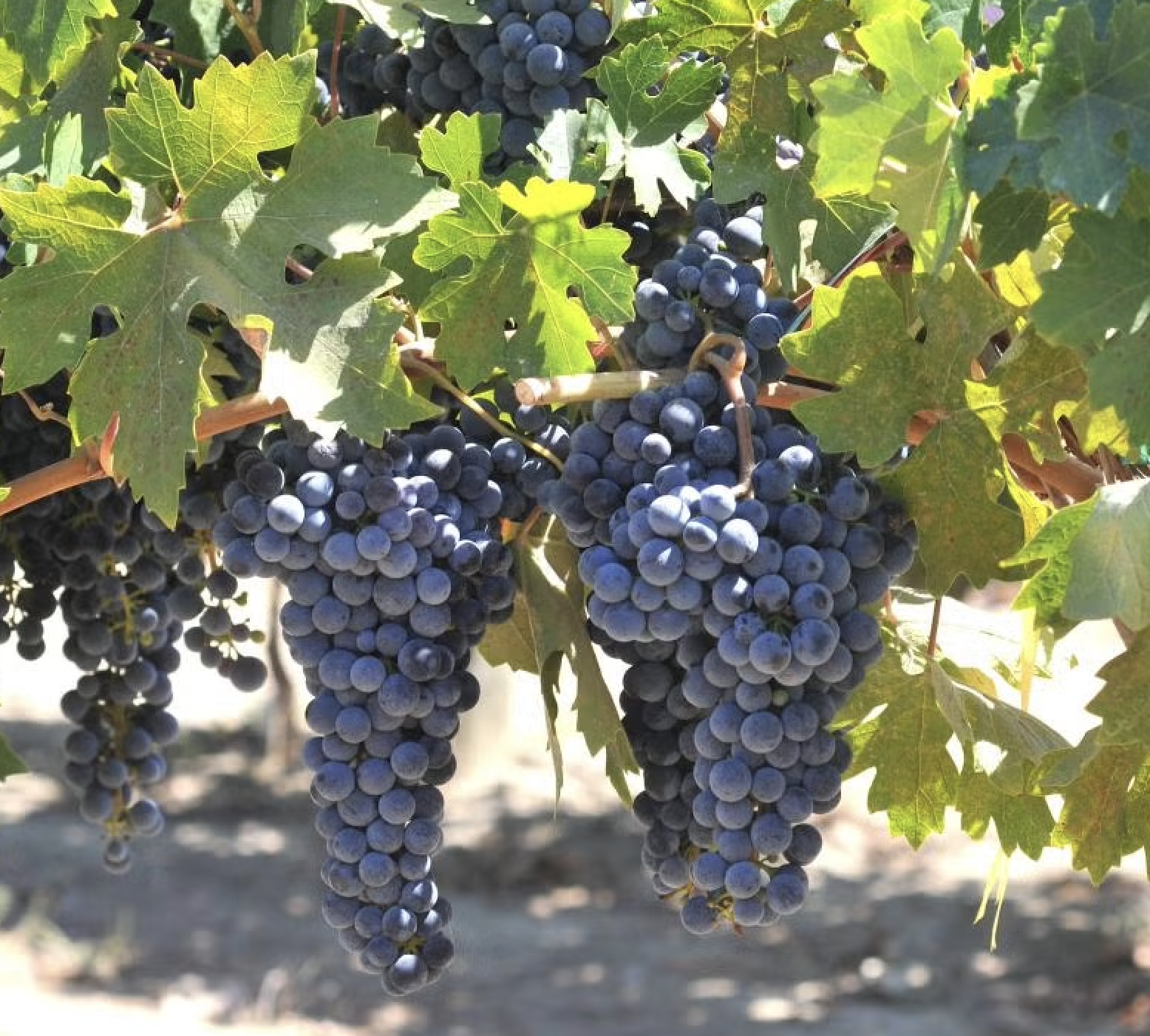
That 3% is everything. It gives Paseante Noir strong inherited resistance to the bacterium Xylella fastidiosa — allowing it to thrive where traditional vinifera would struggle or die — while the 97% vinifera backbone keeps the wine firmly in the classic California red spectrum. In the vineyard, it is vigorous and healthy where Zinfandel or Cabernet would fail. In the glass, it delivers the dark berry character of Zinfandel, the depth of Petite Sirah, and the structure of Cabernet Sauvignon. Tasters who encounter it without context simply call it good wine. That is exactly what Dr. Walker designed it to be — and exactly why LOLA is already making it in Napa Valley.
The Vines LOLA Farms
LOLA's Paseante Noir starts with a conversation. A Wine Club member wanted to plant vines, had the land and the passion, and came to Seth with one question: what should I grow? Most winemakers would have answered Cabernet Sauvignon. Seth answered Paseante Noir. The arrangement that followed is simple: the club member plants and farms the vineyard, LOLA takes the fruit and makes the wine. A grower who trusted Seth's instinct, a winemaker who loves to innovate, and a grape that almost no one in Napa Valley had touched yet.
What Does Paseante Noir Taste Like?
LOLA's Paseante Noir is made in a lighter, more fruit-forward style than the grape's default profile. Earlier harvest, lower extraction, minimal oak — the goal is brightness over weight, personality over power. Raspberry, fresh plum, and dark berry lead the glass. The tannins are present but gentle. The finish is juicy rather than drying. It is a wine you reach for without ceremony, that works with food, that lets the grape speak for itself rather than burying it under extraction.
It carries the dark berry generosity of Zinfandel, the depth of Petite Sirah, and just enough Cabernet structure to hold it together. Tasters who encounter it without context simply call it good wine. That is exactly the point.
Why we make it?
LOLA Wines has always been drawn to grapes with a story still unfolding. Paseante Noir fits that philosophy perfectly. Released commercially only in 2019 by University of California, Davis, it is still a blank page in California wine. Few vineyards grow it, and even fewer wineries have begun to explore what it can become.
That uncertainty is exactly why it belongs in the LOLA portfolio. Instead of repeating what Napa Valley already does well, LOLA focuses on varieties that invite curiosity and experimentation. Paseante Noir represents the kind of project we care about most: a new vineyard planted by someone willing to ask a different question, and a wine that helps define what the next chapter of California viticulture might look like.