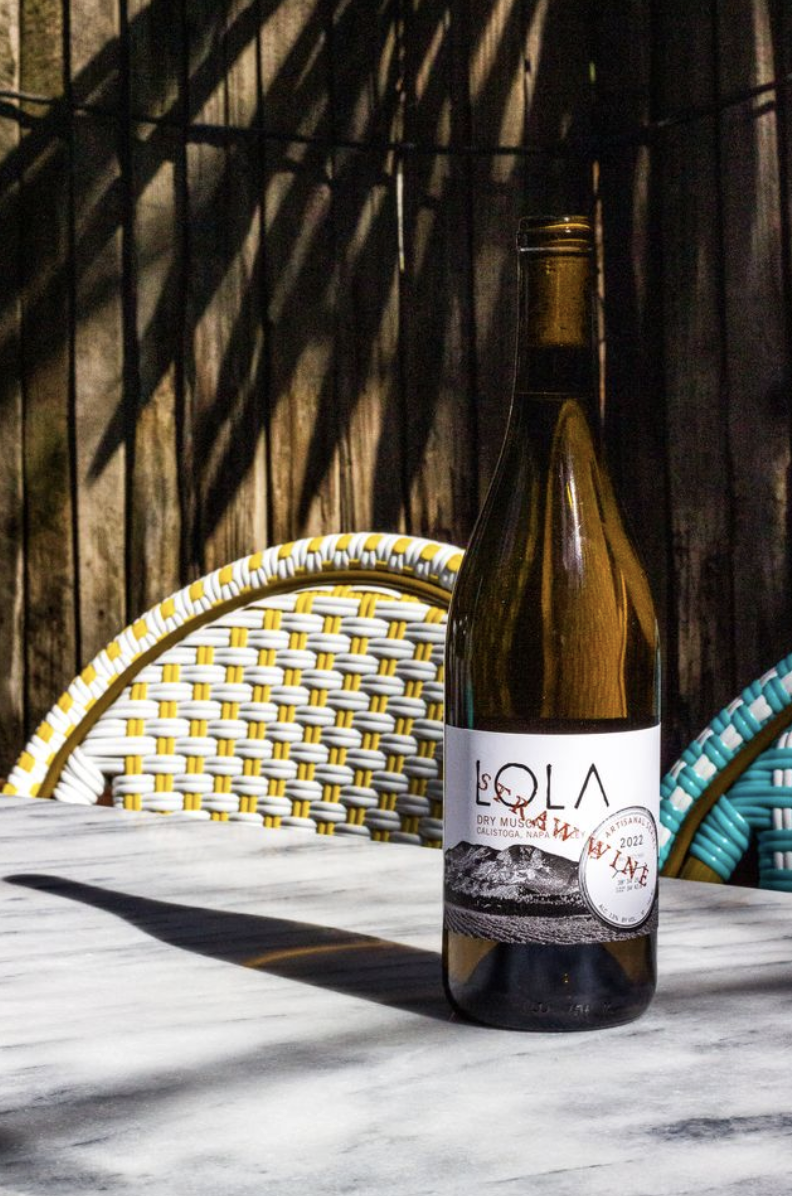
What is Straw Wine?
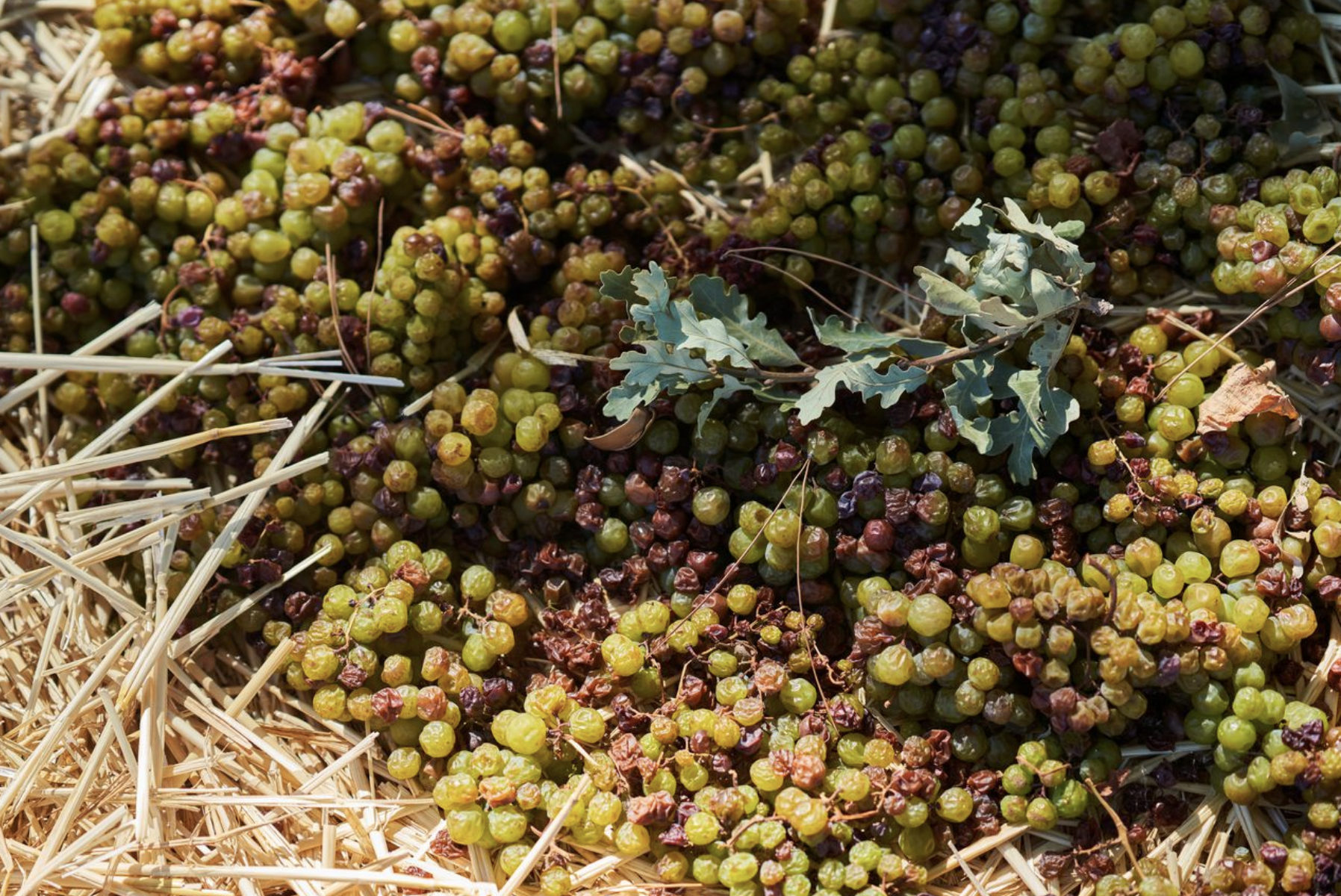
Ancient Technique, Modern Expression
Straw wine is one of the oldest traditions in winemaking. By drying grapes after harvest, winemakers naturally concentrate their flavors and aromas before fermentation begins. At LOLA, this ancient method is used to create something unusual: a straw wine made from Muscat and fermented completely dry.
The History of Straw Wine
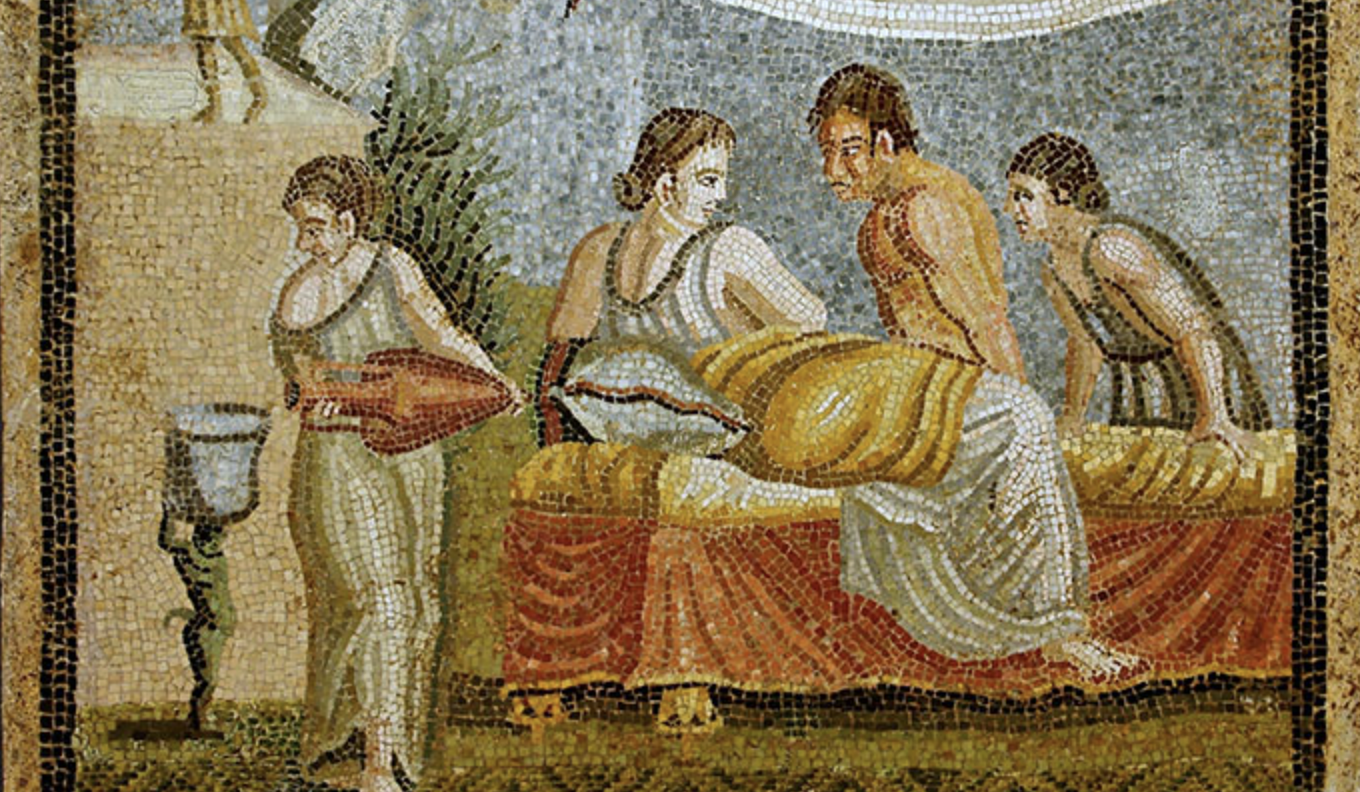
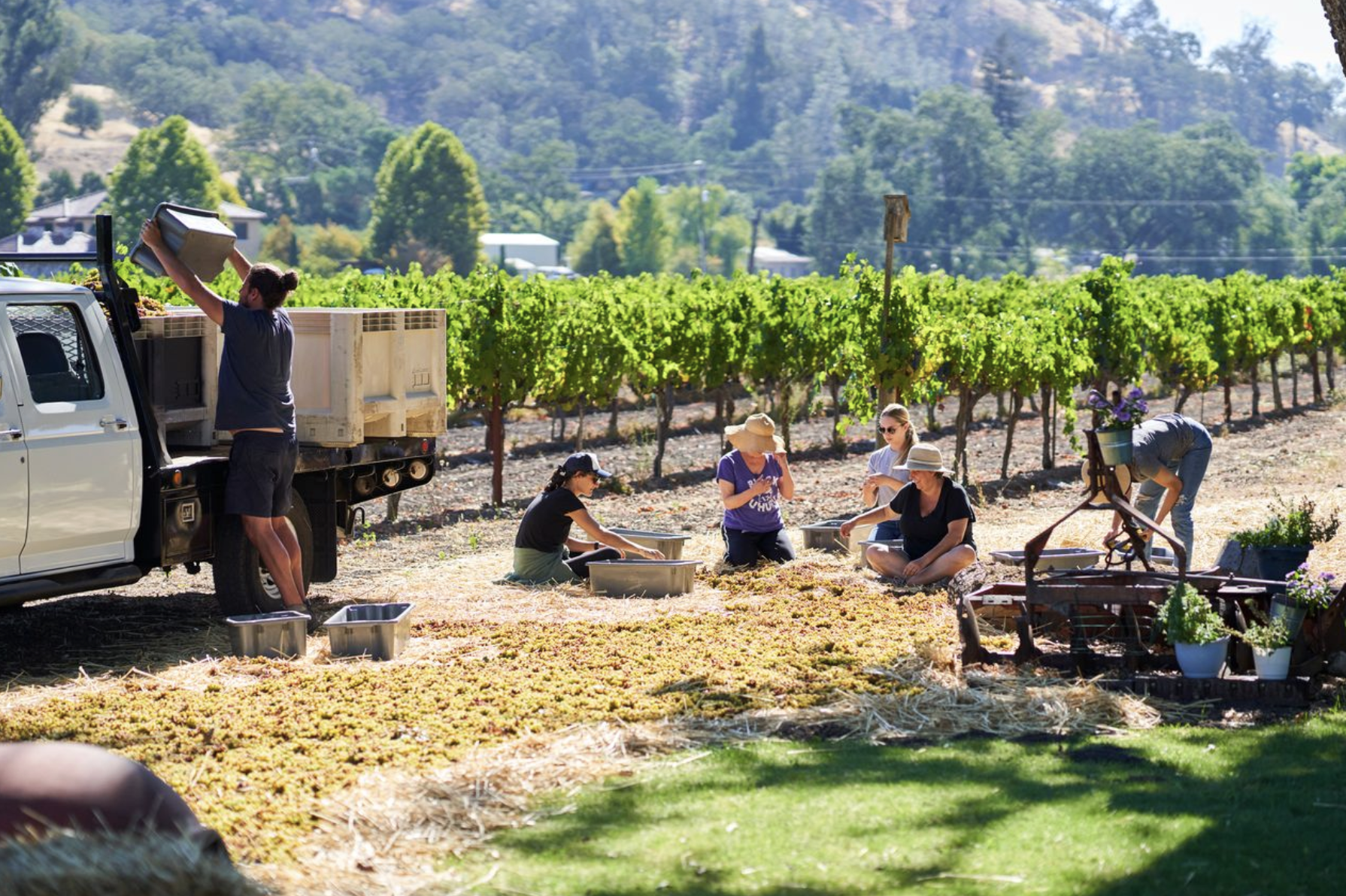
Straw wine is one of the oldest winemaking techniques in the world, dating back more than 2000 years to ancient Greece and Rome. Early winemakers discovered that allowing harvested grapes to dry before pressing them dramatically concentrated their sugars, acids, and flavors. The grapes were traditionally laid on straw mats or hung in well ventilated spaces where they slowly dehydrated over weeks. As water evaporated from the berries, the remaining juice became intensely concentrated, producing wines of remarkable richness and longevity.
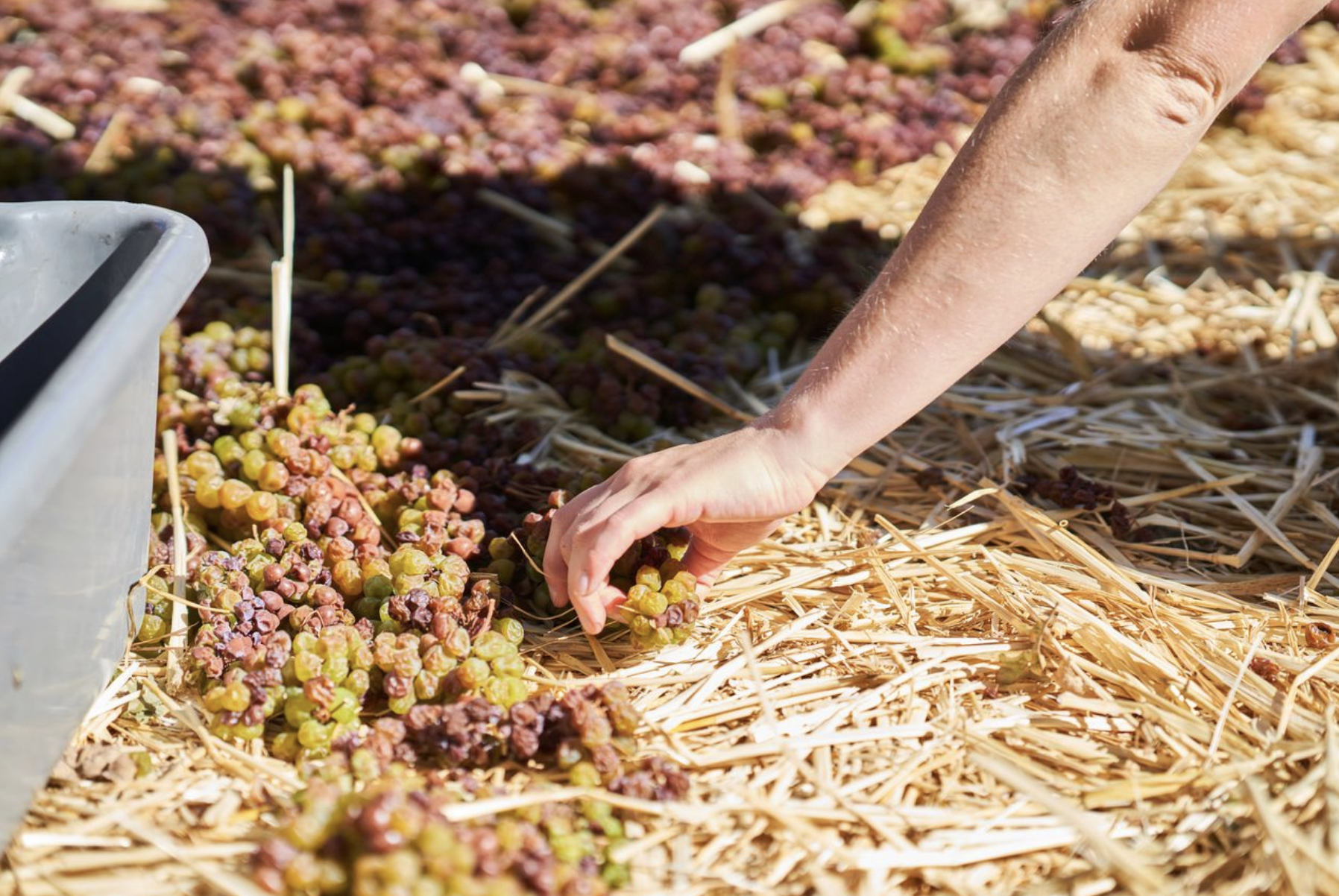
This method spread across the Mediterranean and eventually throughout Europe, becoming known under different names depending on the region. In Italy it is called passito, in France vin de paille, and similar techniques appear throughout Spain, Greece, and Central Europe. Despite regional differences, the core idea remains the same: patience, air, and time transform freshly harvested grapes into something far more concentrated and expressive than they were on the vine.
The Vines LOLA Farms
The grapes for LOLA’s straw wine come from the same Muscat small vineyard just north of Calistoga at the base of Mount St. Helena. Planted in the early 1970s, these vines grow in volcanic soils that naturally limit vigor and concentrate flavor. The site consistently produces intensely aromatic Muscat fruit, making it an ideal candidate for a drying process that amplifies the grape’s natural character.
Only a small portion of the harvest is selected for straw wine production. The grapes are carefully harvested and laid out to dry, allowing evaporation to concentrate their sugars, acids, and aromatic compounds before fermentation begins.
What does Dry Muscat Straw Wine Taste Like?
As the grapes slowly dehydrate, their flavors intensify dramatically. Aromas become deeper and more layered, showing concentrated stone fruit, dried apricot, honeyed citrus, tropical fruit, and floral Muscat notes. The wine carries the unmistakable perfume of the Muscat grape, but in a more powerful and concentrated form.
What makes the LOLA version unusual is that the wine is fermented completely dry. Rather than preserving residual sugar, fermentation continues until the sugars are fully converted, leaving a wine that is intensely aromatic yet structurally dry. The result is a wine with remarkable concentration, vibrant acidity, and a long mineral finish.
Why we make it?
Straw wine is rarely made today because it requires patience, space, and a willingness to sacrifice yield. The drying process dramatically reduces the amount of juice each grape can produce, meaning only small quantities of wine are made from each harvest.
At LOLA, the straw wine exists as an exploration of what Muscat can become when ancient techniques meet modern winemaking choices. By drying the grapes and fermenting the wine completely dry, the goal is not sweetness but concentration, texture, and aromatic intensity. It is a wine rooted in one of the oldest traditions in winemaking, interpreted through the lens of Napa Valley and the distinctive character of Muscat grown in volcanic Calistoga soils.