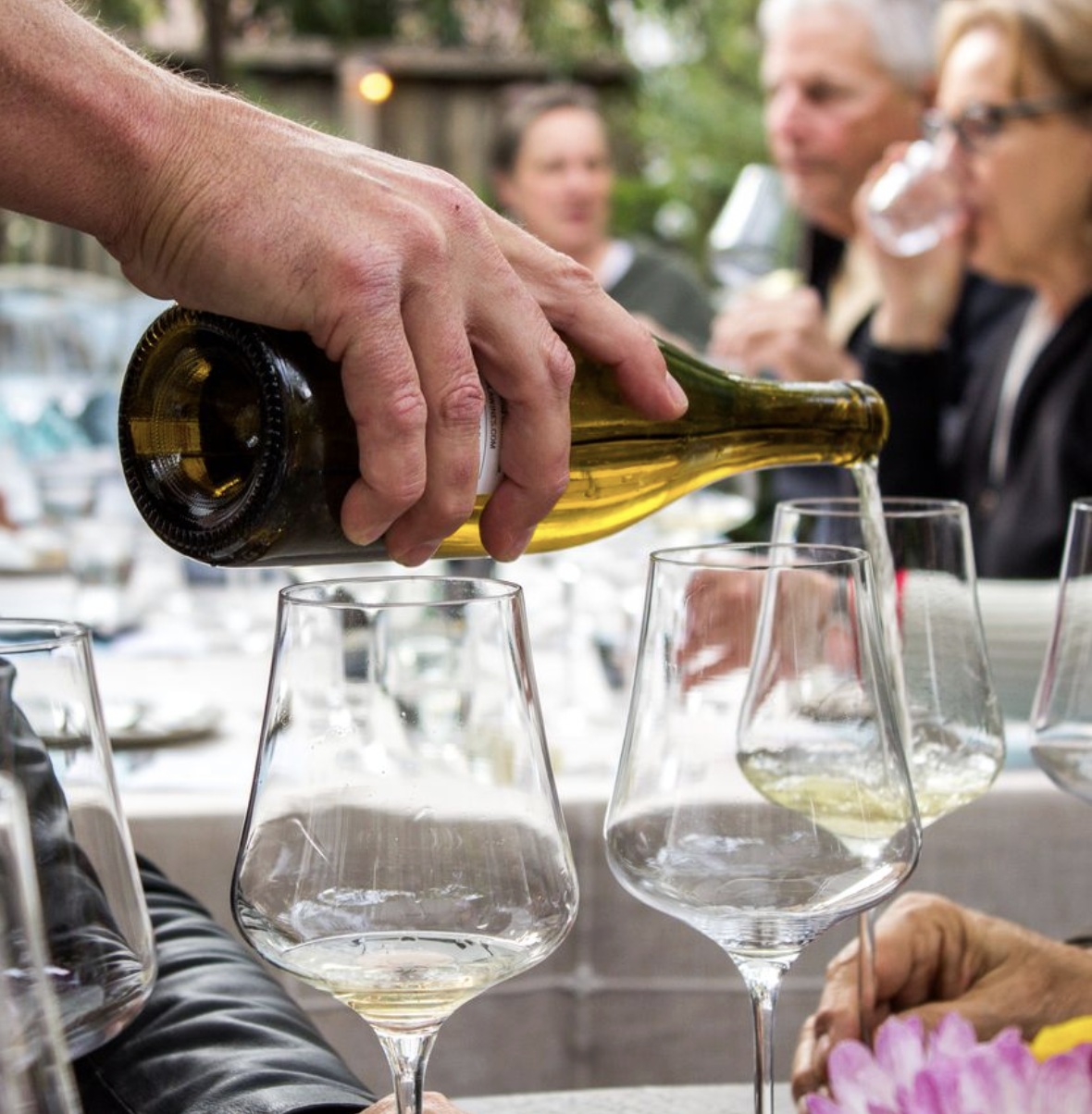
What is a Dry muscat?
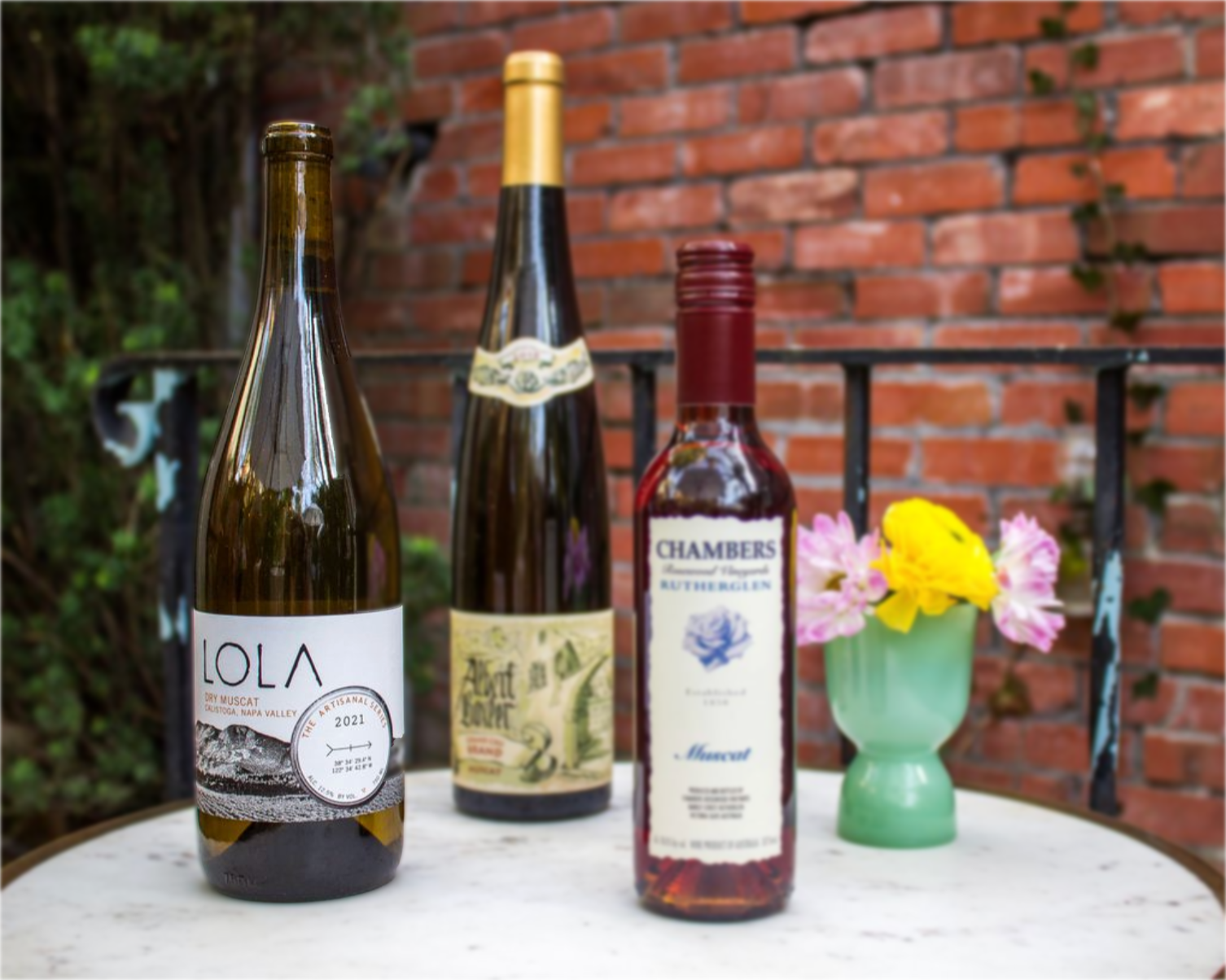
The Wine That Challenges Everything You Think You Know
Most wine drinkers hear the word Muscat and think sweet. Dessert wines like Moscato d'Asti or Muscat de Beaumes-de-Venise have shaped that expectation with their floral aromas and gentle sweetness.
LOLA’s dry Muscat overturns that idea in the first sip, revealing a crisp, dry expression of the grape.
The World’s Oldest and Most Aromatic Wine Grape
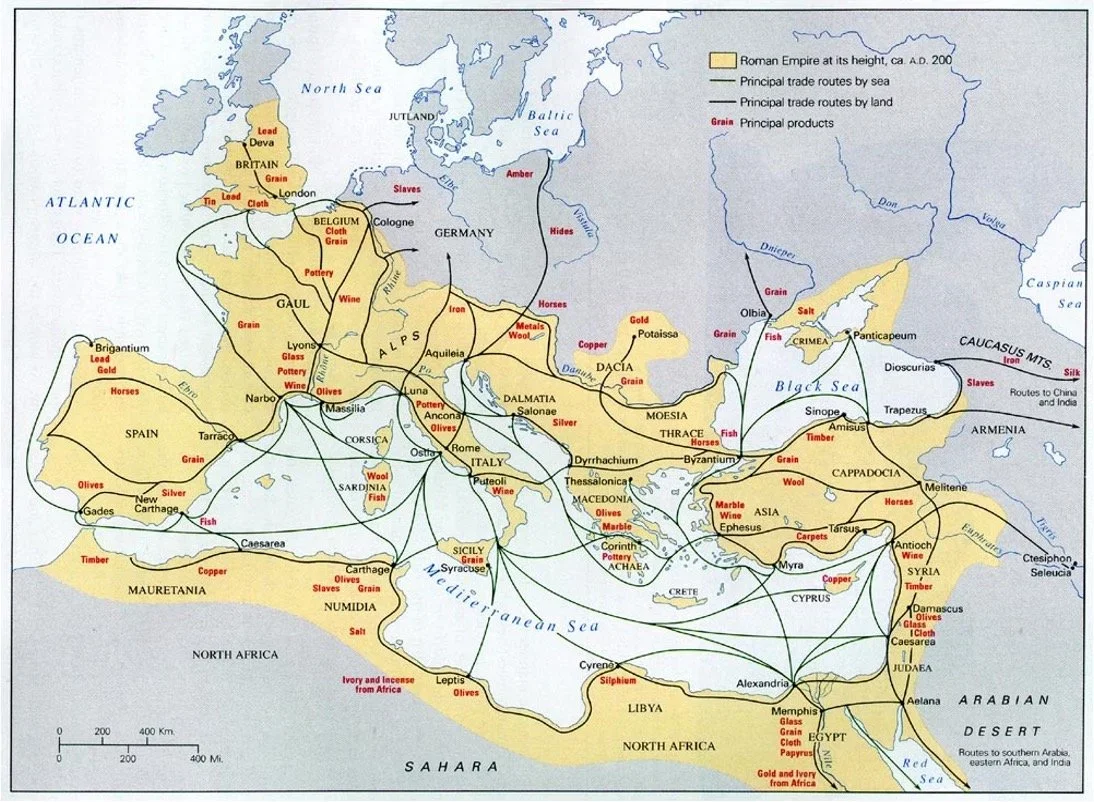
Muscat is the oldest cultivated grape variety in the world, known for its intensely aromatic character and floral fruit driven wines, with a history stretching back more than three thousand years across the Mediterranean, the Middle East, and North Africa. Ancient civilizations including the Greeks and Romans cultivated the grape for its unmistakable aromatic character. As trade routes expanded across Europe, Muscat spread through regions that are now France, Italy, and Spain, adapting easily to different climates while maintaining the intensely perfumed identity that made it famous.
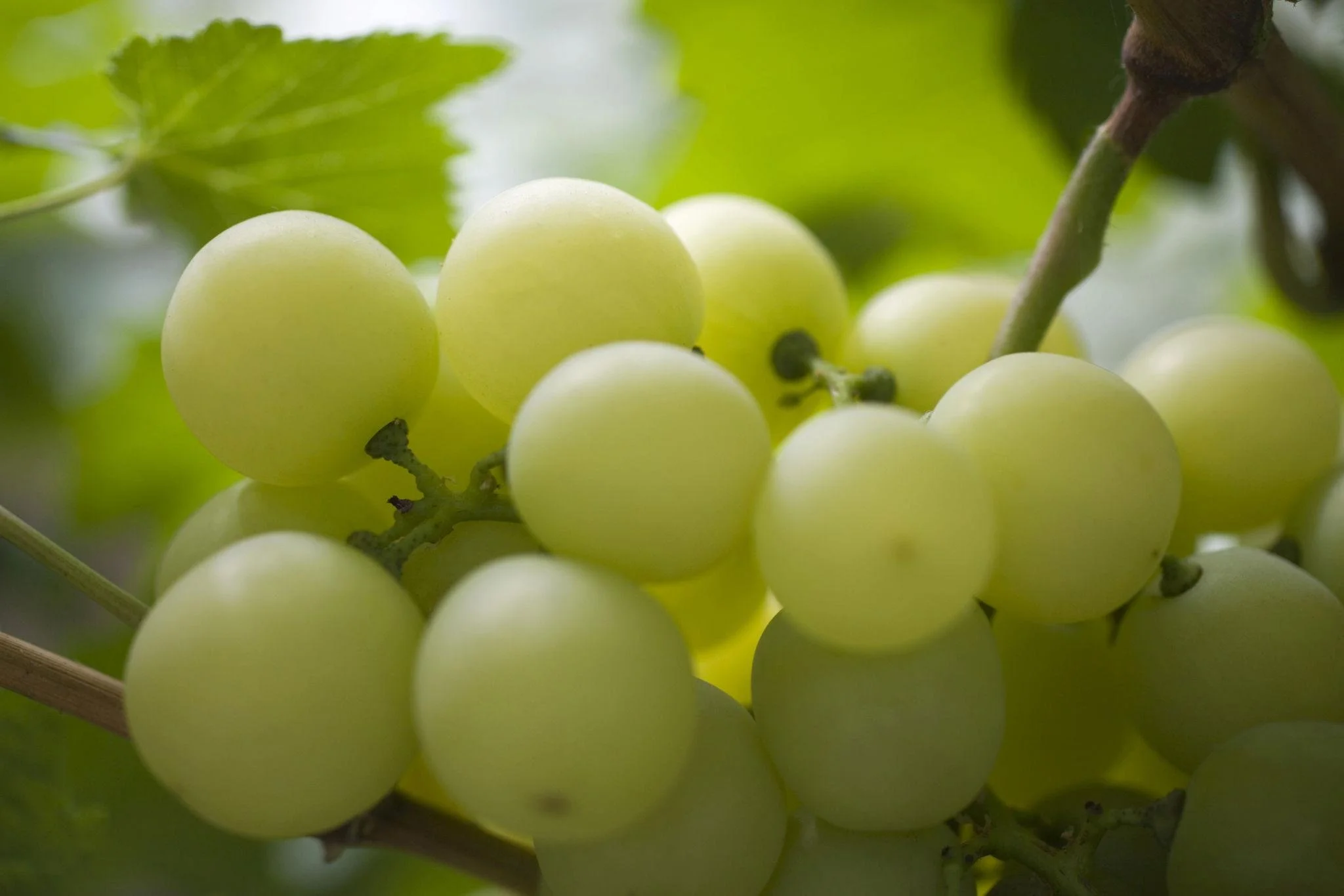
What makes Muscat unique is its naturally powerful aromatics. Compounds called monoterpenes occur in unusually high concentrations in the grape’s skin, producing the floral and fruit driven aromas that define the variety. Notes of orange blossom, jasmine, honeysuckle, apricot, and peach are instantly recognizable in the glass. Because of this expressive character, Muscat became one of the most widely planted and celebrated grapes in the history of wine, appearing in dozens of regional styles while always retaining its distinctive aromatic signature.
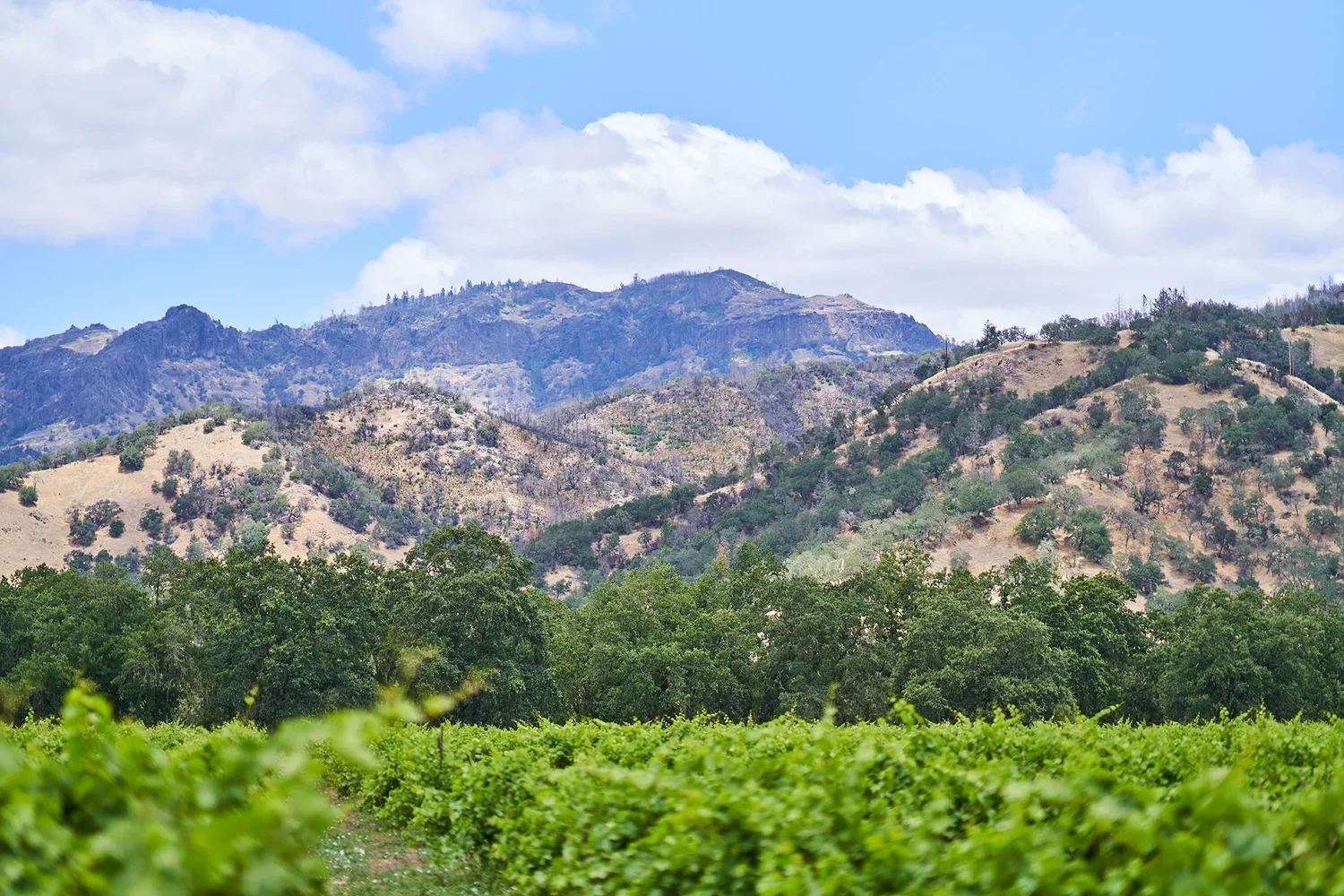
The Vines LOLA Farms
LOLA’s dry Muscat comes from a small 1.5 acre vineyard planted in the early 1970s just north of the town of Calistoga at the base of Mount St. Helena. The vines grow in volcanic soils that give the wine structure and mineral character. Like other wines in the LOLA Artisanal Series, the fruit is handled with minimal intervention and fermented using several different vessels including amphora, concrete, neutral oak, and stainless steel. About thirty percent of the grape skins remain during fermentation, adding texture and natural tannin. The wine then rests on its naturally settled yeasts and lees for six months before being bottled unfined and unfiltered, preserving its aromatic intensity and complexity.
What the Dry Muscat Tastes Like
The finished wine is dry, fresh, bright, and crisp on the palate. Aromatically it shows intense tropical fruit, with passionfruit, guava, and mango rising from the glass alongside the floral character that makes Muscat so recognizable. The partial skin contact adds subtle structure and grip, balancing the wine’s vivid aromatics with texture and depth. The result is a Muscat that is expressive yet precise, showing the grape’s perfume without relying on sweetness.
Why We Make It
Muscat is most often associated with sweet wines, but that is only one expression of the grape. At LOLA, the goal is to reveal another side of Muscat by fermenting it completely dry and allowing the vineyard and winemaking process to shape its character. Using multiple fermentation vessels, extended lees aging, and minimal intervention highlights the grape’s natural aromatics while building structure and complexity. The result is a wine that reconnects Muscat with its long history as a serious, expressive table wine while offering something rare and distinctive in Napa Valley.